
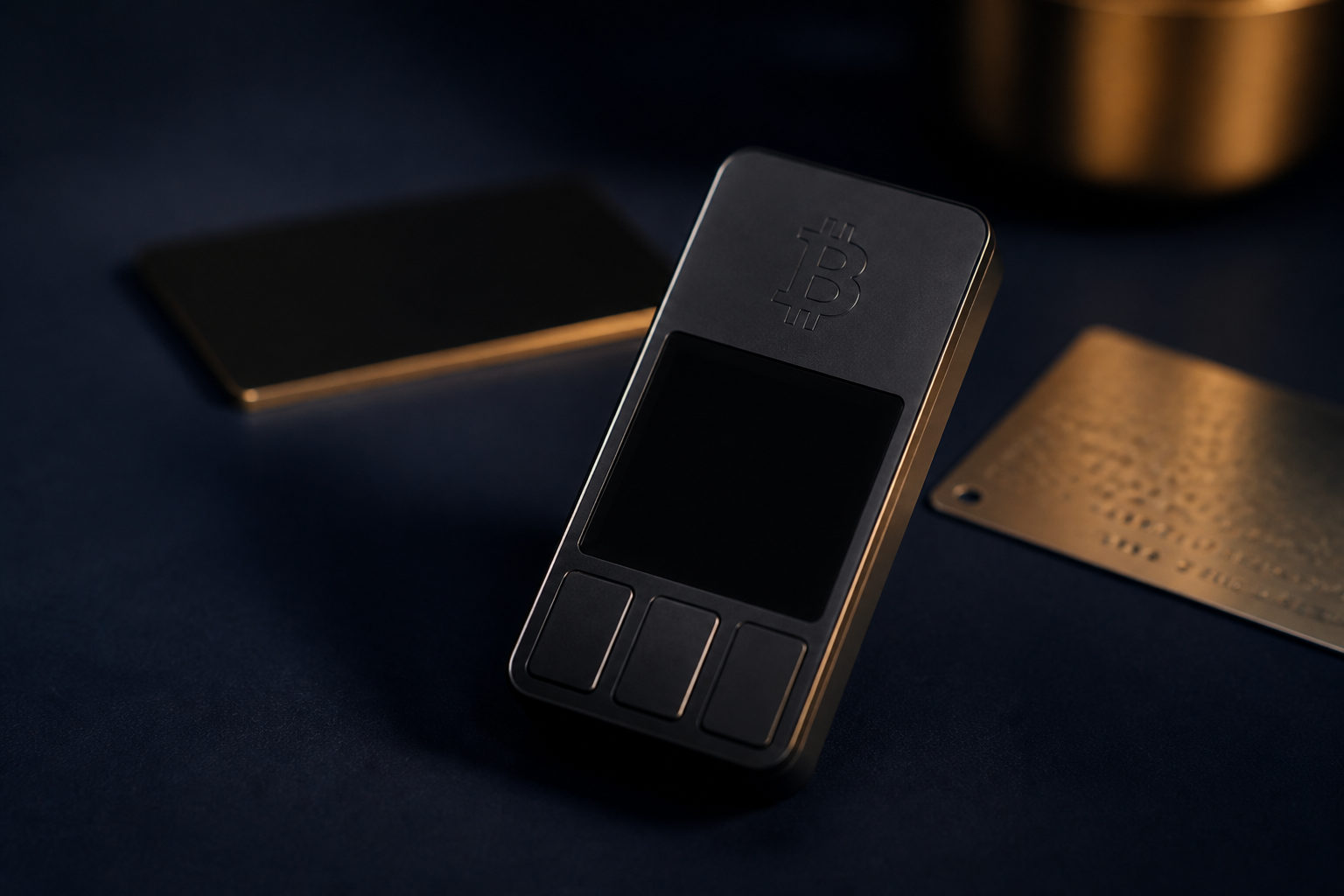
Yes. Coldcard is built around Bitcoin-only storage and transaction signing, so you should think of it as a hardware wallet focused on Bitcoin rather than a device for managing many coins across many chains.
What “Bitcoin only” actually means
People often ask this question when they really want to know whether they can put other crypto assets on the same device. In hardware wallet terms, support means much more than showing an asset name on a screen. It includes address handling, transaction structure, signing rules, recovery paths, and how the device works with wallet software.
When a wallet is designed for Bitcoin only, its product scope is narrower on purpose. The goal is to center the experience on Bitcoin keys, Bitcoin transactions, Bitcoin backups, and Bitcoin verification steps. That usually leads to a cleaner security model because the product is not trying to keep up with every token standard and every network convention at once.
For a buyer, the practical takeaway is simple: if you hold Ethereum, stablecoins, or assets on other chains, you should not expect Coldcard to serve as an all-in-one manager for those holdings. Its role is to protect Bitcoin keys and help you sign Bitcoin transactions in a controlled way.
Why some users want a Bitcoin-only wallet
A Bitcoin-only approach appeals to people who want less clutter in the security workflow. If a device is dedicated to one network, you spend less time switching mental context between chains, token formats, and app behaviors. That can reduce confusion at the exact moments when accuracy matters most, such as checking a receiving address or approving a transaction.
It also changes how you evaluate features. On a multi-asset wallet, broad coverage is often a selling point. On a Bitcoin-only wallet, buyers tend to care more about key isolation, backup discipline, transaction review, and whether the setup fits a long-term custody routine. Those are different priorities, and they lead to different trade-offs.
There is a cost to that focus. If you want one device that handles a wide range of coins and day-to-day interactions across several ecosystems, a Bitcoin-only product may feel restrictive. It is aimed at depth in one job, not maximum breadth.
Where that focus shows up in real use
- Wallet setup: your attention goes to seed backup and recovery planning for Bitcoin custody.
- Receiving funds: the main task is checking a Bitcoin address, not sorting through many network types.
- Sending funds: transaction review centers on Bitcoin-specific details such as destination, amount, and fee choice.
- Software pairing: compatibility matters most with wallet software built to manage Bitcoin accounts and signing flows well.
What it means for compatibility and daily use
A common misunderstanding is to treat “Bitcoin only” as a statement about having fewer features in the abstract. The better question is whether the device matches your own workflow. Hardware wallets rarely do everything on their own. In normal use, they work together with desktop or mobile wallet software that constructs transactions, tracks balances, and passes signing requests to the device.
That means compatibility should be checked at the workflow level, not just the marketing level. Before buying, you should confirm that the wallet software you plan to use can work properly with a Bitcoin-focused hardware signer. If your routine depends on one app that mainly targets many chains and token interactions, you may find the fit awkward. If your routine already separates Bitcoin from the rest of your portfolio, the fit can be much better.
Another source of confusion is the difference between viewing assets and signing for assets. Some software interfaces can display many holdings in one place. That does not mean the hardware wallet behind the scene understands every chain or can safely authorize every asset movement. Display, account tracking, and cryptographic signing are related, but they are not the same function.
This distinction matters because people often assume a wallet is “compatible” if they can see something in an app. With a device like Coldcard, the key issue is whether it is intended to secure and sign Bitcoin activity. If your plan depends on broad token support, that expectation should be settled before you buy the hardware.
Who Coldcard is likely to suit best
The clearest fit is someone who owns only Bitcoin or wants Bitcoin stored in a separate custody path. In that case, a specialized device can make the rules of storage easier to maintain. One system is for Bitcoin. Other assets, if any, live elsewhere.
It also suits users who prefer strong separation between different parts of their crypto life. They may keep long-term Bitcoin savings in cold storage, use a different wallet for active spending, and rely on another setup for non-Bitcoin assets. This separation can limit spillover when one tool, one app, or one account becomes a problem.
Another good fit is the user who wants to understand what the device is doing at each step. Coldcard is often discussed by people who care about manual verification, deliberate signing, and clear backup habits. If you want a device that behaves like a generic consumer gadget with every function hidden behind a simplified app flow, a Bitcoin-only wallet may feel less convenient.
That does not make it better for everyone. It makes it better for a specific kind of owner: someone who values Bitcoin custody as its own discipline.
How to decide if “Bitcoin only” is a benefit or a drawback
Start with your holdings. If Bitcoin is your only meaningful position, a dedicated device may give you a cleaner setup with fewer distractions. If your portfolio is spread across many chains and you regularly move assets between apps, protocols, and wallets, a single-purpose signer may create extra friction.
Then look at your habits. Do you want one place for everything, or do you prefer strong compartmentalization? Do you want to learn the logic behind backup and signing, or do you mainly want convenience? Coldcard makes more sense when your answer leans toward separation, review, and deliberate handling.
Finally, think about software dependence. The hardware itself is only one part of the process. Your comfort with the broader Bitcoin wallet stack matters just as much. If your preferred tools and your preferred habits line up with a Bitcoin-only signer, the narrow scope becomes a strength. If they do not, the same scope will feel limiting.
FAQ
Can Coldcard store Ethereum or other tokens?
It should not be treated as a multi-chain token wallet. If you hold assets on other networks, you will usually need a wallet setup that supports those networks and their signing rules directly.
Is a Bitcoin-only hardware wallet a good choice if I buy only BTC?
For many long-term Bitcoin holders, yes. A dedicated wallet can make custody rules easier to keep straight because the device is centered on one asset and one security model.
Do I need separate wallet software to use Coldcard?
In most cases, yes. Hardware wallets commonly work alongside software that manages accounts and prepares transactions, so you should verify software compatibility before committing to a setup.
Does Bitcoin-only support make migration harder later?
Migration usually depends more on proper backup and recovery planning than on broad asset support. If your recovery information is stored correctly and your future setup is compatible with Bitcoin standards, moving to another device is usually a manageable process.
Is Coldcard suitable for complete beginners?
That depends on the beginner. Someone willing to learn backup discipline, address checks, and signing review may do well with it, while someone who wants the simplest possible experience may prefer a different style of wallet first.
What to check before you buy
Write down your actual use case before comparing devices. Decide whether you want Bitcoin separated from other assets, confirm that your preferred wallet software supports the workflow you want, and be honest about how much manual review you are willing to do during setup and transactions.
If your goal is focused Bitcoin custody, then “Bitcoin only” is not a missing feature. It is the main design choice you are buying into, and it should be evaluated on those terms.