
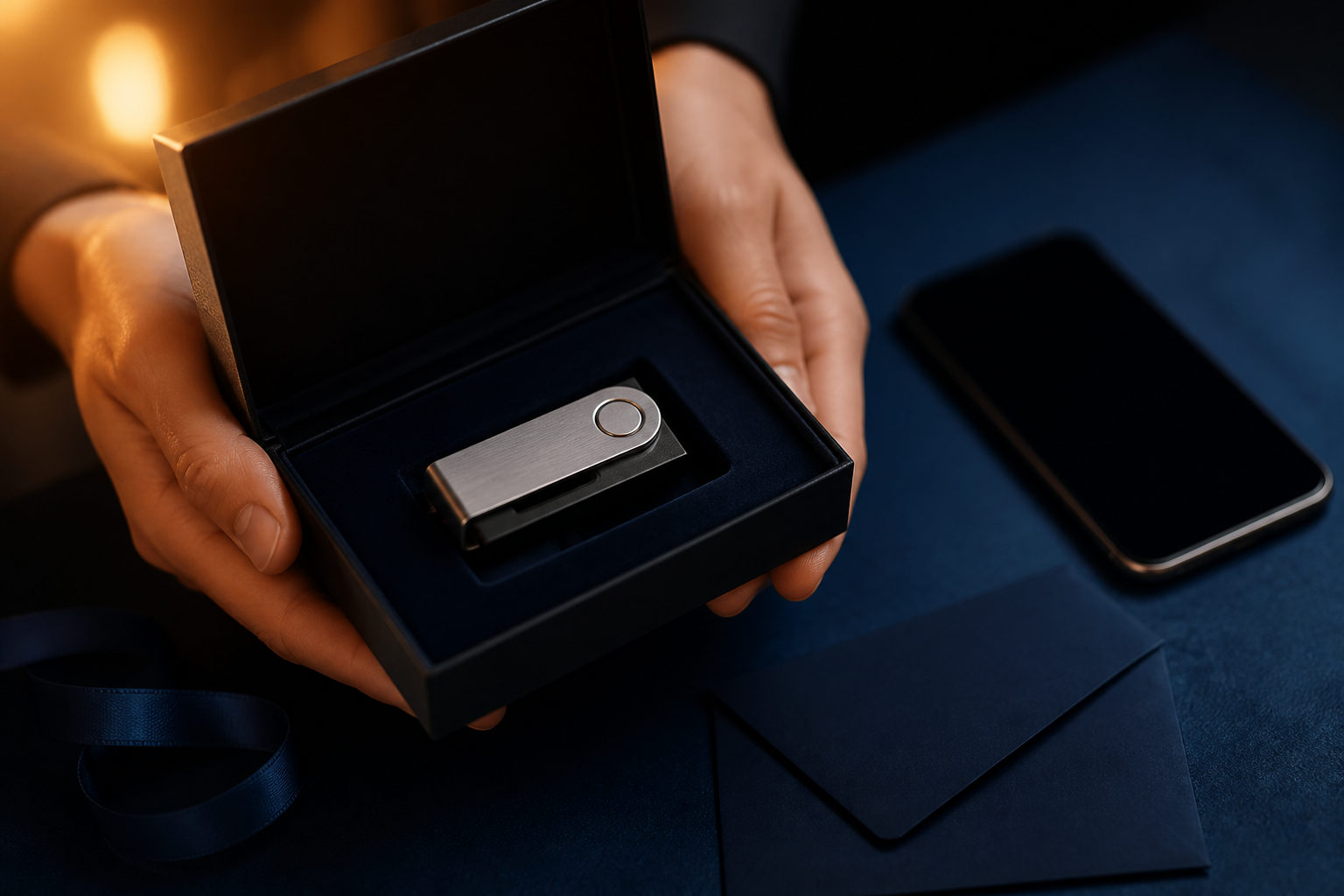
To gift someone bitcoin, pick a delivery method the recipient can actually handle, send BTC to the correct address, and make sure they understand how to keep control of it. The hard part is rarely the transfer itself; it is making the gift usable and safe once it lands.
Start with the recipient, not the transfer
Before sending anything, figure out what kind of recipient you are dealing with. Some people already use a self-custody wallet. Some only know how to view balances inside an exchange account. Others are completely new to bitcoin and may not know the difference between a wallet, an address, and an app.
That distinction matters because you are not just sending a balance from one screen to another. You are handing over access to a digital asset that depends on proper custody. If the recipient cannot receive it, verify it, or back it up, the gift may become confusing instead of useful.
| Recipient type | Best gifting method | Main advantage | Main caution |
|---|---|---|---|
| Already uses a self-custody wallet | Send directly to their bitcoin address | Clean handoff and clear ownership | Confirm it is a BTC address and check it carefully |
| Only uses an exchange | Send to their exchange BTC deposit address | Lower learning curve | Make sure deposits and withdrawals are supported |
| Completely new to bitcoin | Help them set up a wallet first, then send | They learn while receiving the gift | Do not keep their seed phrase for them |
| Wants a more ceremonial gift | Give a printed note or card and send on-chain separately | Feels more personal | Do not print sensitive wallet secrets |
Common ways to gift bitcoin
Send it straight to the recipient's wallet
This is the cleanest method when the other person already knows how bitcoin works. They give you a receiving address, you send the BTC from your wallet or from a platform that supports withdrawals, and then you share the transaction record so they can verify it.
It works well because each side has a clear role. You are responsible for sending to the correct address. The recipient is responsible for storing and managing the bitcoin after it arrives.
Set up a wallet with them first
If the recipient is new, this is often the best option. Ask them to install a wallet on their own device, go through setup with them, have them write down the seed phrase themselves, and then send the bitcoin after the wallet is ready.
This approach reduces confusion at the moment of gifting. They can see where the asset lives, learn how to receive funds, and understand from the start that wallet backup is part of ownership. It also avoids the awkward situation where you send BTC first and only later discover they do not know how to access it.
Use a gift card or printed instructions for presentation
Some people want the gift to feel like an actual present rather than a technical transfer. In that case, you can prepare a card that explains what the gift is, which wallet to open, how to check the incoming bitcoin, and what to back up.
The actual transfer should still happen through a normal bitcoin transaction. The card is just the presentation layer. It can make birthdays, graduations, or holiday gifts feel more thoughtful without turning private wallet data into something easy to lose.
| Method | Best for | Ease of use | Security focus |
|---|---|---|---|
| Direct wallet transfer | Experienced users | High | Address accuracy |
| Wallet setup plus transfer | First-time users | Medium | Recipient keeps their own backup |
| Printed card plus on-chain transfer | Gift occasions with presentation | Medium | No seed phrase or private key on paper |
| Exchange deposit transfer | People who only know exchanges | Medium | Platform rules and account access |
What usually goes wrong
The biggest risk is a bad address. Bitcoin transactions are generally not reversible, so a mistake can be costly. Use copy and paste or a QR code when possible, and check the beginning and end of the address before sending. If the amount matters to you, a small test transfer can remove a lot of uncertainty.
Another common problem is assuming that seeing a balance means the recipient knows how to manage bitcoin. Someone may be able to open an app and view incoming funds while still having no idea how to back up a wallet, recover access on a new device, or tell a real security prompt from a scam attempt.
A different kind of mistake comes from trying to be helpful for too long. If you keep screenshots, passwords, or backup words on the recipient's behalf, you blur the line between a gift and shared control. That can become messy later if access is lost or the relationship changes.
| Common mistake | Why it is a problem | Better approach |
|---|---|---|
| Typing the address manually | Easy to mistype and hard to spot | Use copy and paste or scan a QR code |
| Not confirming that the address is for BTC | Funds can be sent to the wrong asset flow | Ask for a bitcoin receiving address specifically |
| Sharing seed words in chat | Anyone who sees them may control the funds | Have the recipient write them down offline |
| No explanation after the gift is sent | New users may not know how to check or back up | Add a short instruction note |
| Keeping the recipient's sensitive data | Ownership and responsibility get blurred | Let the recipient manage their own access |
What to explain before you gift bitcoin
First, bitcoin's value moves. A bitcoin gift does not behave like a fixed-value gift card. The recipient should understand that what they see in dollar terms can rise or fall after the transfer. If you say that clearly at the start, expectations are easier to manage.
Second, receipt is only the first step. If the recipient does not back up the wallet correctly or does not understand basic security habits, the gift can still be lost later through device failure, deletion, or exposed recovery words. A short explanation at the time of gifting can prevent a lot of confusion.
Third, local rules may matter. Gift treatment, reporting, and tax handling can differ by jurisdiction, especially if you and the recipient live in different places. It is sensible for each person to check the rules that apply where they are.
FAQ
Does the recipient need a wallet before I can gift bitcoin
Not in advance, but they do need a place that can receive bitcoin by the time you send it. If they are new, setting up a wallet with them first is usually the least confusing route.
Can I give someone an entire wallet as the gift
You can, but it needs care. If you created that wallet yourself, you may still have seen or stored the recovery words, which weakens the handoff. A cleaner option is to have the recipient create the wallet on their own device.
Should I include the seed phrase with the gift
If the gift is being delivered through a newly created wallet, the recipient must have the seed phrase and keep it privately. If you are sending to a wallet they already control, you should never need to handle their recovery words at all.
Is bitcoin a good gift for someone who knows nothing about crypto
It can be, if you keep the process simple. For a beginner, the important part is being able to receive the bitcoin, find it later, and back it up safely.
What if they sell it right away
That is up to them. Once the bitcoin is in their control, it becomes their asset to hold, sell, or move. Your role is to make the gift clear and deliver it properly.
If you plan to gift someone bitcoin soon, the most practical checklist is simple: confirm how they want to receive it, choose the matching method, verify the BTC address carefully, and add a short note about backup and custody. That is what turns a transfer into a gift the recipient can actually keep.