
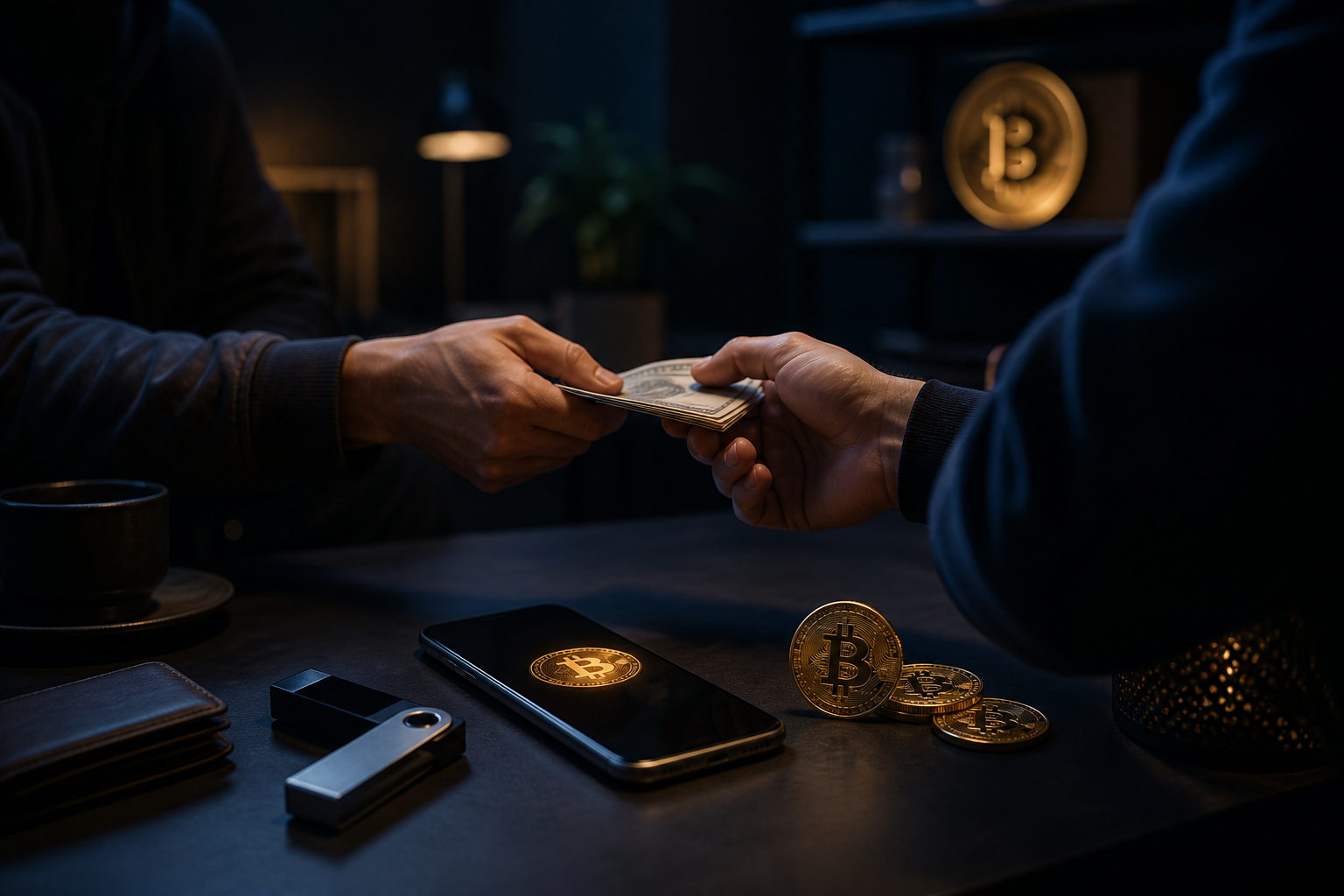
In 2026, buying bitcoin without ID is less about total anonymity and more about reducing how much personal information you expose while avoiding scams, bad counterparties, and weak security.
Start with the right expectation: no-ID is not the same as invisible
Bitcoin addresses do not show your legal name by default, but the blockchain is public. If your payment method, wallet behavior, device setup, or later transfers connect back to you, a transaction can still become linked to your identity.
That is why the real question is not whether you can become untraceable. The better question is how to buy bitcoin without handing over identification while limiting the number of clues you leave behind. That shift matters because it changes how you evaluate every step.
Why this matters before you do anything else
- It keeps you realistic: no-ID access does not erase payment trails or on-chain history.
- It helps you choose better methods: privacy depends on the full process, not only whether a platform asks for documents.
- It cuts scam risk: fraudsters often sell the fantasy of “fully anonymous” bitcoin to push victims into rushed payments.
Step 1: define your limits before you pick a method
Before looking for sellers, decide what you actually want. Some buyers simply do not want to upload documents to an unfamiliar service. Others care deeply about privacy. Some just want a one-time purchase with minimal exposure. Those are different situations, and they do not point to the same route.
Your first action should be to set boundaries in three areas: which payment methods you are willing to use, how much extra cost you can accept, and whether you would ever meet someone in person. The reason is simple. More privacy usually means less convenience, fewer options, more manual verification, and a higher chance of running into shady offers.
The main caution here is not to chase the most extreme path right away. For most people, the biggest risk is not advanced blockchain analysis. It is moving too fast, trusting the wrong person, or using a payment flow they do not understand. If you stay within a process you can explain clearly to yourself, you are already in a better position.
A useful checklist at this stage
- Decide on a maximum amount for your first trade.
- Choose whether in-person cash trades are off the table for you.
- Plan to receive bitcoin in your own wallet, not in a seller-controlled account.
Step 2: set up a self-custody wallet before you look for bitcoin
The safer order is wallet first, purchase second. A self-custody wallet means you control the private keys rather than depending on someone else to hold your bitcoin for you. That matters because the moment your coins sit inside another party’s system, you are back under their rules. They can delay withdrawals, add extra checks, or ask for more information later.
Operationally, choose a well-known wallet type with a strong reputation and open development. You do not need obscure tools to improve privacy. In fact, random apps marketed as secret or untraceable are often a bigger danger than mainstream options. After setup, back up your recovery phrase offline, make sure you understand how recovery works, and generate a fresh receiving address for this purchase.
The caution points are basic but critical. Do not store your recovery phrase in screenshots, cloud notes, email drafts, or chat apps. Do not share it with a seller, “support agent,” or anyone claiming they need to verify your wallet. Before making a real purchase, send a tiny test amount to yourself if possible so you know how to confirm an address and recognize a completed receipt.
Why this step cannot be skipped
- You reduce dependence on third parties: your coins arrive under your control from the start.
- You share less information: a seller usually only needs a receiving address.
- You can avoid address reuse: a fresh address for each trade helps limit linkage.
Step 3: judge the route by counterparty risk first, not by marketing claims
People looking to buy bitcoin without ID usually end up considering peer-to-peer trades, in-person cash deals, transfers from acquaintances, or small no-document channels. The biggest mistake is choosing based on which one sounds the most private. A better filter is this: which route gives you the best chance to verify the process and reduce trust in the other person?
In practice, look for clear trade rules, defined release conditions, and some kind of structured process when possible. If a method relies entirely on a stranger’s promises in a private chat, your risk rises fast. A lot of losses in this area have nothing to do with bitcoin itself. They come from fake receipts, payment reversals, fake support accounts, pressure tactics, and last-minute address changes.
The caution is straightforward. Do not treat phrases like “no questions asked,” “fully secret,” or “private insider method” as proof of safety. Those phrases are often there to stop you from asking normal verification questions. A workable privacy approach should reduce blind trust, not demand more of it.
What to check when comparing purchase paths
- Is the process clear? You should understand order, payment, confirmation, and release.
- Can you verify the receiving address in advance? Last-minute changes are a common attack point.
- Is there pressure? Urgency is one of the oldest scam tools.
- How reversible is the payment method? Reversible payments can create disputes and abuse.
Step 4: complete the anti-scam checks before sending any money
This is the stage where many buyers make the costliest mistake. They feel close to the finish line, stop checking details, and act on trust or pressure. The right move is the opposite: slow down just before payment and verify everything again.
Your actions here should include confirming the exact payment method, confirming the release condition, checking that the receiving address is the one you generated yourself, and keeping all communication in the agreed flow rather than jumping to random side channels. If the environment supports escrow or a structured release process, use it instead of moving the deal into private messages just because the seller suggests it.
Another smart move is to begin with a small test trade. The reason is not only financial. A small test also shows whether the other side follows instructions cleanly, whether your wallet setup works as expected, and whether the trade process itself makes sense to you. If a seller objects to a reasonable test amount or becomes aggressive when you ask to verify terms, that is useful information.
Watch for familiar red flags: a promise to send bitcoin later after you “show good faith,” a request to speak only with a special support contact, a claim that the normal process is broken today, or a sudden change in the receiving address. Also consider the possibility of clipboard malware, where copied wallet addresses are silently replaced on your device. Compare the beginning and end of the address carefully before confirming any transfer.
Common scam patterns in no-ID bitcoin purchases
- Fake escrow pages that imitate a normal trade interface.
- Fake payment screenshots presented as proof of transfer.
- Impersonation of support staff in chat groups or direct messages.
- “Friend of a friend” setups designed to lower your guard.
- Unusually cheap offers that exist only to collect advance payments or data.
Step 5: your payment method shapes both privacy and dispute risk
Many buyers focus only on whether a seller asks for ID. In reality, the payment method often reveals more than the sign-up page. Bank transfers, payment apps, sender names, notes, and communication records can all create off-chain links to you. If privacy matters, you need to assess the full payment trail rather than only the purchase screen.
The practical move is to ask what each payment option reveals and what risks it adds. Cash in person may reduce some digital traces, but it creates safety concerns, counterfeit cash risk, and the possibility of pressure or bait-and-switch tactics during the meeting. Electronic payments are easier, but they usually leave clearer records. Alternative payment tools may look more private at first glance, yet they often come with worse pricing, more fraud, and more confusion.
The caution here is simple: do not use a payment method just because someone says it is private if you do not fully understand how it works. Confusion is where many scams succeed. Whatever method you use, avoid adding unnecessary transaction notes that explicitly mention bitcoin, BTC, or crypto purchases, and do not volunteer extra personal details that are not needed to complete the trade.
Step 6: what you do after receipt can undo your privacy work
Receiving the bitcoin is not the end of the process. If you later send those coins into a fully identified account, reuse the same address repeatedly, or combine funds carelessly, much of your earlier effort can lose value. Blockchain activity can be observed over time, and repeated patterns make linkage easier.
Once the trade is complete, confirm receipt based on your wallet and transaction status rather than on screenshots alone. Keep your own record of what was agreed, how you paid, when the trade happened, and which address received the bitcoin. Then decide how the coins will be stored or used. Long-term holding calls for stronger backup habits and cleaner separation. Short-term use still benefits from fresh addresses and organized records.
The caution is that privacy does not replace security. Some buyers avoid ID checks successfully and still lose funds because they leave recovery phrases in unsafe places, install fake wallet software, or keep everything exposed on one device. At that point, the problem is not identity exposure. It is poor custody.
Minimum post-purchase actions
- Confirm actual receipt before ending the trade.
- Use separate addresses or wallets for different purposes.
- Check that your backup is complete and readable.
- Do not post trade details publicly in chats or social media groups.
FAQ
Can nobody connect the trade to me if I buy bitcoin without ID?
No. Skipping ID verification only removes one direct link. Payment records, address reuse, device behavior, and later transfers can still create connections that weaken your privacy.
Is an in-person cash purchase always more private than buying online?
Not always. Cash can reduce some digital records, but it adds personal safety risk, counterfeit cash risk, and the chance of pressure during the meeting. If the place, process, or person is unreliable, the trade may be less safe overall.
Why should a first-time buyer start with a small test trade?
A small test lets you verify the seller, your wallet setup, and the payment flow with limited exposure. It is a low-cost way to catch misunderstandings and suspicious behavior before a larger purchase.
Is it okay to leave the bitcoin with the seller or another party for a while?
That is usually a bad idea. If you do not control the private keys, you do not fully control the bitcoin. Delays, withdrawal restrictions, extra verification requests, and outright loss of access all become possible.
What actually improves privacy when buying bitcoin?
Privacy comes from a set of habits, not a magic shortcut: self-custody, fresh receiving addresses, limited personal disclosure, careful payment choices, and disciplined record handling. Think of privacy as process control.
What to do first if you are ready now
Set up a self-custody wallet, back up the recovery phrase offline, choose a purchase path with clear rules, and start with a small test trade while sharing only the minimum information needed to complete it. If anyone asks for your recovery phrase, pushes you off the agreed process, or demands payment before verifiable release, stop the trade immediately.
Disclaimer: This article is for informational and educational purposes only and is not investment, financial, or legal advice. Crypto assets are highly volatile and you could lose your entire investment. Do your own research and decide carefully.