
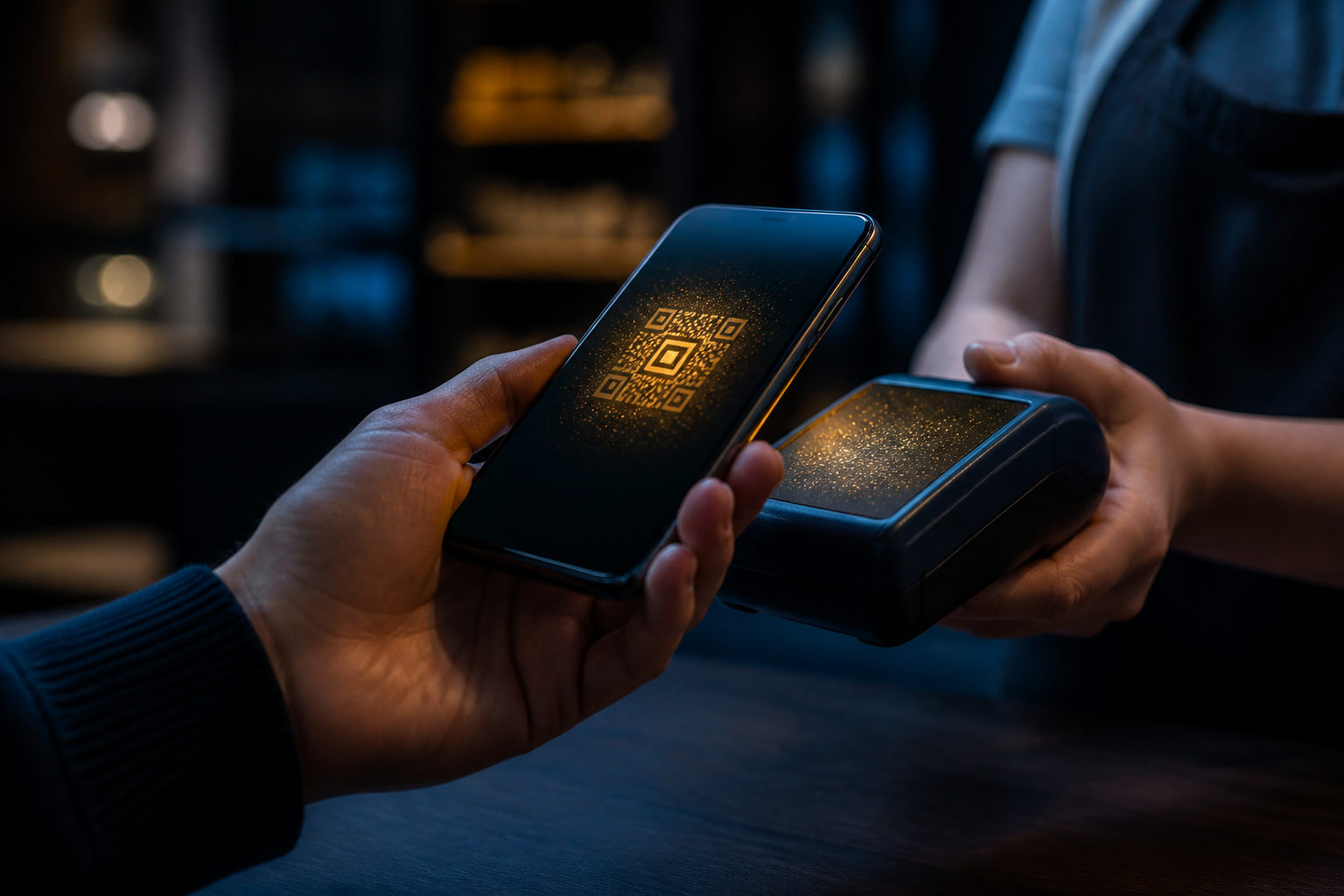
Yes, you can buy something with bitcoins if a seller accepts BTC, but the hard part is doing it safely and understanding that a blockchain payment usually cannot be reversed.
Start by deciding whether bitcoin is a good fit for this purchase
Before opening your wallet, look at the type of transaction in front of you. Bitcoin works best when the merchant clearly supports BTC, both sides understand that on-chain settlement may take time, and you are comfortable managing the payment yourself. If the seller only accepts cards, bank transfers, or standard checkout methods, then you are not really paying with bitcoin in a direct way.
The product category matters as well. Physical goods raise questions about shipping details, delivery proof, and returns. Digital goods often depend on automated order matching after payment. Services need the clearest scope of all, because vague promises are where many disputes begin once the seller already has the funds.
You should also think about price movement. A merchant may show a product price in dollars and convert it to BTC only at checkout. If that quote expires after a short payment window, the required bitcoin amount may refresh and you may need to restart the order instead of sending to an old invoice.
What to prepare before sending any BTC
Use a wallet you understand. That does not mean you need advanced technical skills, but you do need to know where to find your balance, outgoing transaction details, network fee settings, and the destination address before tapping send. If your wallet interface feels unfamiliar, even a small mistake becomes harder to catch.
Next, confirm how the merchant wants to receive payment. Some stores present a plain bitcoin address. Others show a QR code tied to a specific order. Some rely on a payment processor that builds a checkout page for the merchant. The format can vary, yet the core task stays the same: you are sending BTC to a destination that must match the exact order you are trying to pay for.
Leave room for network fees. A buyer who only keeps enough BTC for the item amount may find that the wallet needs extra balance to broadcast the transaction. Fees can change with network conditions and with the speed preference you select in the wallet, so do not assume the displayed product price is the full outflow from your wallet.
One more preparation step is behavioral rather than technical: stay inside the original checkout flow. A common scam starts with a real shopping session and then shifts the buyer into direct messages, where a fake support agent says the order failed or needs manual payment. The moment the payment instructions move outside the normal order page, risk jumps.
How to pay with bitcoin, step by step
Confirm that the seller really accepts BTC for this order
Look for explicit bitcoin payment instructions on the checkout page or in a formal payment section connected to the order. Useful signs include an order number, a BTC amount or address, a payment timer, and a visible order status page. If a seller simply says “crypto accepted” in chat and asks you to transfer funds manually, slow down.
The reason is simple: if the payment is disconnected from a trackable order, it becomes much harder to prove what the transfer was for. Save screenshots of the amount due, the destination address, and any order identifier before sending anything. Those records may become your only reference if the seller later claims your payment cannot be found.
Copy the address, then verify it before sending the full amount
If this is your first time paying that merchant, or if the amount would seriously hurt you if lost, consider a small test payment first. Once the seller confirms that the transaction is visible and correctly linked to your order, you can send the remainder with more confidence.
This helps with more than one risk. You may have copied the wrong address, your clipboard may have been altered by malware, or the QR code may not belong to the current order. Before you send, compare the beginning and end of the address shown in your wallet with the one displayed by the merchant. If your wallet supports saved labels, use them carefully so repeated payments do not blur together.
Check the fee setting and the seller's confirmation rule
When you send BTC, your wallet will usually offer fee options. A lower fee can mean a longer wait in the mempool. A higher fee often improves the chance that the transaction gets included sooner. Bitcoin produces a new block about every 10 minutes, but that does not make every payment arrive on a fixed schedule.
The practical question is what the merchant considers good enough to release the goods. Some sellers act once the transaction is broadcast. Others wait for one or more on-chain confirmations. Read that part before paying. A buyer who expects immediate fulfillment may think the seller is stalling, when the real issue is that the buyer never checked the merchant's payment rule.
Provide payment references, but never hand over wallet control
A store may ask for your transaction hash, payment time, or order number so it can match your transfer more quickly. That is normal. Those details help identify a payment without giving the merchant the power to move your funds.
Seed phrases, private keys, one-time codes, remote access requests, and screen-sharing demands belong in a very different category. A legitimate seller does not need them to confirm receipt. If anyone asks for those items under the excuse of verification, refund review, or wallet checking, stop the process at once.
Do not treat “sent” as the end of the transaction
Your wallet showing “sent” only tells you that the payment has left your side. You still need to see whether the merchant has marked the order as paid, processing, or complete. If the seller says payment has not arrived, compare the transaction hash, destination address, and amount before assuming bad faith.
For digital goods, verify that the delivered item matches the listing. For physical goods, make sure shipment details are actually created. For services, keep a clear record of what was promised and what was delivered. Many losses connected to bitcoin purchases happen after payment, when the buyer stops checking and the seller controls the next step.
Where buyers get trapped
The first trap is the fake merchant. The page looks real enough to collect money, yet there is no proper support path, no order tracking, and no reliable post-sale process. Once payment clears, communication fades. In that situation, polished design matters less than whether the seller gives you a complete, coherent purchase flow you can verify from start to finish.
The second trap is address replacement. If your computer or phone is infected, copied wallet addresses can be swapped in the clipboard without any obvious visual warning. That is why a clean device matters for bitcoin payments. Keep your wallet software and operating system updated, and avoid sending funds from a device cluttered with unknown apps or browser extensions.
The third trap is the fake support agent. Right after you begin checkout, someone contacts you and claims the payment window expired, the order failed, or compliance checks require a second transfer. The safest response is to return to the original order page and verify the status there. Do not accept a new destination address from a side channel just because the message sounds urgent.
The fourth trap is confusion about payment status. A blockchain explorer may show that your transaction is visible, but the merchant may still be waiting for confirmation before shipping. That gap does not automatically signal fraud. It means you should know the seller's rule in advance so you can tell the difference between a normal delay and an actual problem.
The fifth trap is privacy leakage. Bitcoin addresses leave public traces on-chain. If you routinely tie the same address to your real name, home address, and contact details, your spending trail becomes easier to connect over time. For ordinary users, a practical habit is to avoid reusing the same public payment identity for every purchase.
When paying with bitcoin may be a bad idea
Think twice if the item is likely to involve returns, disputes over condition, or back-and-forth support. Bitcoin transfers do not include an automatic chargeback tool. If the seller later agrees to a refund, that usually means they must send a fresh transaction back to you, and your outcome depends on their cooperation.
You may also want to avoid direct BTC payment if you are still learning wallet basics or if current network fees make a small purchase inefficient. Paying with bitcoin gives you direct control, but it also puts more responsibility on you at the moment of settlement. If you are rushing through the process, that control can turn into liability.
Pressure is another warning sign. A seller who insists you must pay immediately to keep a discount may be forcing you to skip the checks that matter most: address review, fee review, order matching, and delivery terms. Any payment method becomes more dangerous when urgency replaces verification.
FAQ
Can I just send BTC as soon as a seller says they take bitcoin?
No. First confirm that the payment details come from a real order page and that the address, amount, and payment window all match the same order. Save the transaction hash and screenshots in case you need to prove what happened later.
If I buy something with bitcoins, can I get a refund?
Possibly, but that depends on the seller's refund policy rather than on the Bitcoin network itself. The original transfer usually will not reverse on its own, so a refund typically requires the merchant to send a new payment back to you.
Why does the seller say my payment is missing when I already sent it?
The address may be wrong, the amount may not match the order, or the transaction may still be waiting for confirmation. Check the transaction hash, destination address, and the merchant's stated confirmation rule before taking the next step.
Is a small test payment really useful for a purchase?
Yes, especially with a seller you have never paid before. A test transfer can expose address errors, order-matching issues, or checkout confusion before you commit the full amount.
Where should I check the live bitcoin price before deciding to pay?
You can use a major market data site or the pricing screen inside a wallet or trading service you already trust. At checkout, pay attention to the merchant's payment window, because the BTC amount attached to a dollar price may refresh after the quote expires.
Before you hit send, do one last pass through the essentials: make sure the address belongs to the current order, the fee setting fits the seller's timing rule, and the item's delivery terms are clear enough that you will know whether the purchase was actually completed.