
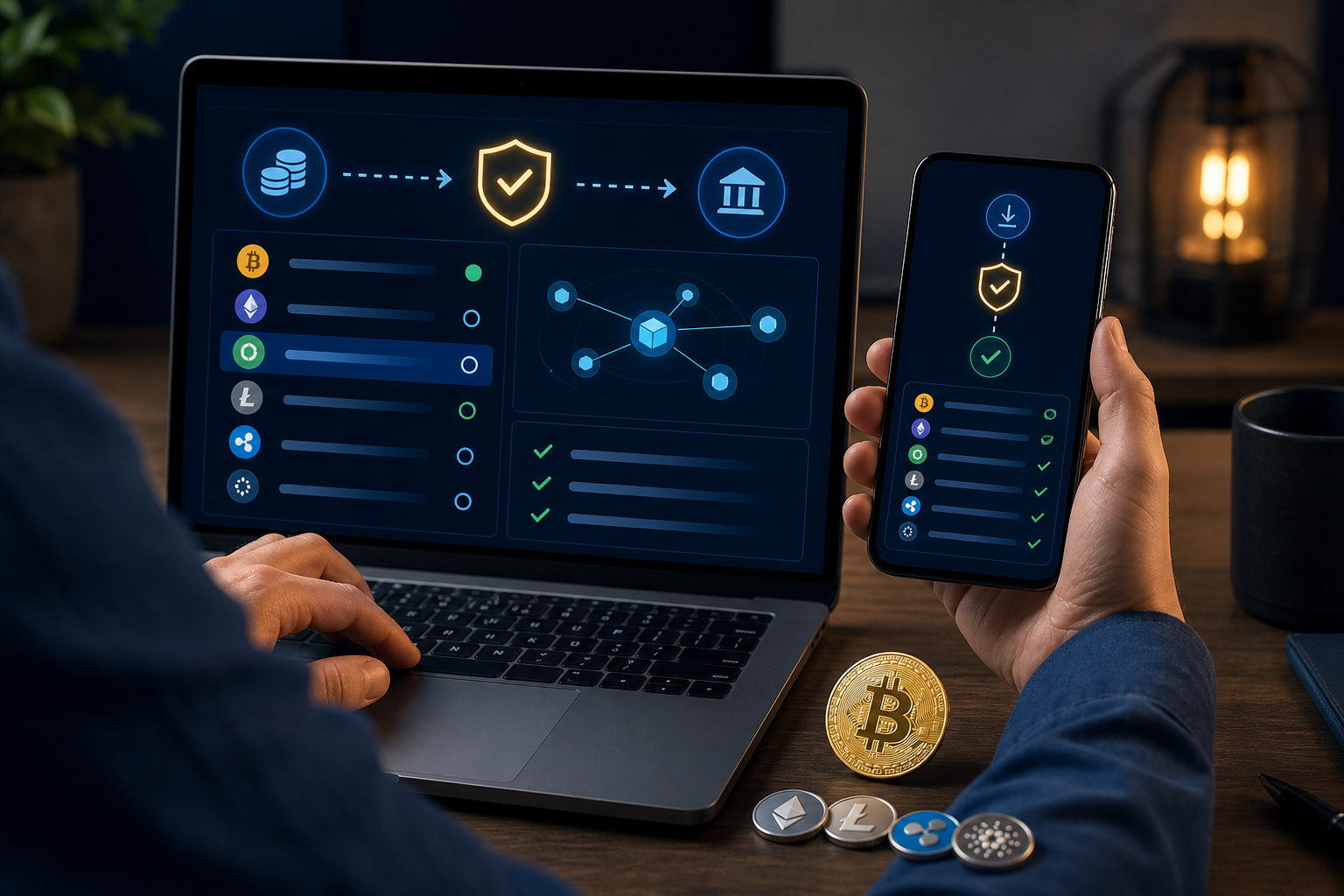
Does FortuneJack accept Bitcoin? The only reliable answer is the one shown inside its live deposit flow, account settings, and terms. Do not send BTC based on ads, forum replies, or copied guides.
This question sounds simple, but the safe version is more specific: can your account deposit Bitcoin right now, on which network, under what restrictions, and into what kind of balance? If you do not check those details first, you are not really confirming Bitcoin support. You are guessing, and guessing is expensive when crypto transfers cannot be reversed.
Start with the right assumption: outside claims are not enough
People often search for a direct yes-or-no answer and stop there. That shortcut creates risk because a platform may change its payment methods, account rules, regional availability, or verification requirements. Search snippets, old review pages, and reposted tutorials can stay online long after the actual process changes.
There is another problem: fake pages often copy the same wording as real sites. A phishing page can say it accepts Bitcoin, show familiar branding, and still send your coins to a criminal's wallet. That is why the question should not be answered by reputation alone. It should be answered by what you can verify inside your own session.
The practical standard is simple. Log in, open the funding area, check whether BTC appears as a deposit option, see whether the page generates a deposit address, read the notes on network and processing, and compare that with the platform terms and help pages. If those pieces match, you have something useful. If they do not, stop there.
Step-by-step: how to verify whether FortuneJack accepts Bitcoin
Step one: enter the site through a trusted path
The action is straightforward: type the website address yourself or use a bookmark you created earlier after checking it carefully. Avoid search ads, random social posts, direct messages, and comment-section links.
The reason is fraud prevention. Fake entry pages often use phrases like official Bitcoin deposit or fast BTC funding to catch rushed users. The key caution is to treat anything unusual as a warning sign: a strange domain, a broken login flow, unexpected prompts, or a page that asks for payment before normal account access.
Step two: log in first, then inspect the deposit area inside the account
After logging in, look for sections such as Deposit, Wallet, or Cashier. What matters is not what the homepage banner says. What matters is whether your actual account interface offers Bitcoin as a funding method.
This step matters because broad marketing language can be wider than the real account-level options. Some services say they support crypto, but the available methods may depend on location, account status, or identity checks. A major caution here: if a page offers a supposed personal deposit address before you even log in, treat that as a serious red flag.
Step three: confirm that the option is specifically BTC, not just crypto in general
Open the asset list and look for Bitcoin or BTC by name. Do not assume that support for crypto automatically means support for Bitcoin. Some sites only offer stablecoins, some route deposits through third-party processors, and some show different assets to different users.
The reason is basic but often ignored: crypto is a category, not a single payment rail. The caution point is to verify the asset name, the ticker, and any network note together. A vague coin icon or a generic crypto label is not enough.
Step four: read the network instructions before copying any address
When the BTC deposit screen appears, pause and read the instructions first. Check whether the page clearly states the network, the conditions for crediting a deposit, and any special handling notes. Then compare that information with what your wallet will actually send.
This step reduces one of the most common self-inflicted mistakes: sending the right asset through the wrong route. The caution is simple. Never rely on the asset name alone. The address format, the deposit-page notes, and your wallet send screen should tell the same story.
Step five: review the terms, help pages, and any account restrictions
Before sending anything, read the sections that cover deposits, digital assets, account checks, and restricted regions. Focus on whether your location is eligible, whether extra verification may be required, and whether funding a balance is different from using or withdrawing that balance later.
The reason is that technical support for Bitcoin does not guarantee that every user can use every feature in the same way. The caution is to avoid a common trap: users check funding but ignore later restrictions. That can leave you with money inside an account flow you do not fully understand.
Step six: verify that the deposit address belongs to your live session
Once an address is generated, do not rush. Confirm that you are still logged into the correct account and compare the displayed address carefully before using it. If there is a copy button, use it, but also paste the result into a plain text field and inspect the beginning and end characters.
The reason is clipboard hijacking. Malicious software can replace a copied wallet address with another one without obvious warning. The caution here is to use a clean device, remove suspicious browser extensions, and compare text and QR code if both are shown.
Step seven: send a small test transaction first
If this is your first time using a platform, start with a small test amount that you can afford to risk. Wait for the deposit to appear properly, confirm that the credited balance behaves as expected, and only then decide whether to send more.
The reason is not distrust for its own sake. It is risk control. Even if a deposit page looks normal, there can still be delays, review steps, internal limitations, or misunderstandings about how balances are recorded. The caution is obvious: do not make your first transfer the one you would regret losing.
Step eight: keep records of every important screen and transaction detail
Save screenshots of the deposit page, the generated address, the timestamp, the transaction hash, and any support conversation. If something goes wrong, records help you verify what happened and explain the issue clearly.
The reason is that Bitcoin transfers are not reversible. In most disputes, the useful questions are simple: what address did you see, what did you send, and what did the platform say at that moment? The caution is to store evidence safely and avoid sharing full sensitive account details with anyone who does not need them.
Why a page that says it accepts Bitcoin is still not enough
There is a difference between a platform offering Bitcoin deposits and your transfer being safe and usable. The first is a feature claim. The second is an execution question. You need both.
Several common mistakes sit in that gap. Users trust old guides as if they were current instructions. They read a review site instead of the account screen. They see BTC and ignore the network notes. They focus on sending funds in, but do not check later rules for account access or withdrawals. Or they complete the whole process on a risky device connected to an unsafe network.
Another issue is how the deposit is handled after it arrives. A site may appear to accept BTC directly, while the actual process involves payment processing, internal conversion, or account crediting in a form the user did not expect. That does not automatically mean anything is wrong, but it does mean you should understand what the balance represents before you fund it.
If you think you are depositing Bitcoin and keeping a Bitcoin balance, verify that assumption. If the flow actually converts the value into some internal account unit or another asset type, you need to know that before you proceed. Many disputes begin with a mismatch between what the user thought the deposit meant and what the platform terms actually describe.
Scam prevention: the biggest risks around Bitcoin deposits
Fake support messages that pressure you to act quickly
Scammers often create urgency. They say a bonus is ending, an address will expire soon, or your slot will be lost unless you send funds right away. Pressure is the point. It is designed to make you skip checks.
A legitimate process should center on the deposit interface inside your account, not a wallet address sent through a chat box. If someone tells you to send BTC directly to an address in a message, stop. That is exactly how many thefts happen.
Phishing pages that imitate official deposit instructions
A fake page can look polished and still be dangerous. It may use familiar branding, post polished FAQs, and mirror the language users expect to see. Its real goal is to steal login details or redirect your coins.
The best defense is routine. Use a trusted path to access the site, log in before looking for deposit details, and avoid entering account data into off-site forms. Convenience is not worth the risk.
Clipboard replacement and hostile browser extensions
Address replacement attacks are simple and effective. You copy one address, but when you paste it, a different one appears. If you do not inspect the pasted result, you may not notice until your funds are gone.
That is why the address check is not optional. Compare the visible characters, reduce the number of active extensions, and use a device that is not cluttered with unknown software. Prevention beats recovery here.
Mistaking deposit support for overall platform safety
A site can support Bitcoin deposits and still carry other risks related to operations, account controls, withdrawal handling, or policy clarity. Payment support is only one part of the decision.
Before using any service, look at the quality of its help documentation, the clarity of its account rules, and the consistency of its support answers. If those basics are weak, an available BTC deposit button should not convince you on its own.
FAQ
How can I tell whether a site really takes Bitcoin?
The best way is to log into your own account and inspect the deposit area directly. Look for a BTC option, a generated deposit address, and matching explanations in the help pages and terms. External comments can help you form questions, but they should not make the decision for you.
If a site says it accepts crypto, should I assume Bitcoin is included?
No. Crypto is a broad label, not a guarantee of Bitcoin support. You need to verify the actual asset list, any network notes, and any account or regional limits shown inside the live funding flow.
What is the safest way to make a first BTC deposit?
Verify the site path, account status, asset type, network, and terms first. Then send a small test amount, wait for it to be credited properly, and only consider a larger transfer after that process makes sense from start to finish.
What if support sends me a different address from the one on the deposit page?
Trust the address shown inside your logged-in deposit page, not one sent through chat or private message. If the two do not match, stop immediately and recheck the site, your session, and the platform instructions.
What should I do if my Bitcoin deposit does not show up right away?
First confirm that your wallet actually broadcast the transaction and that you sent the correct asset on the correct route. Then review the platform's deposit instructions and keep the transaction hash plus screenshots ready for any follow-up.
Does support for Bitcoin mean the platform is worth using?
No. Bitcoin support only answers one narrow question about funding. Whether a service is worth using depends on much more: policy clarity, account restrictions, support quality, and your own tolerance for operational risk.
If your goal is to answer whether FortuneJack accepts Bitcoin, do not stop at a headline or a third-party post. Open your account, check the BTC option, read the network and policy notes, run a small test, and keep records. If any part of that chain does not line up, do not send funds.