
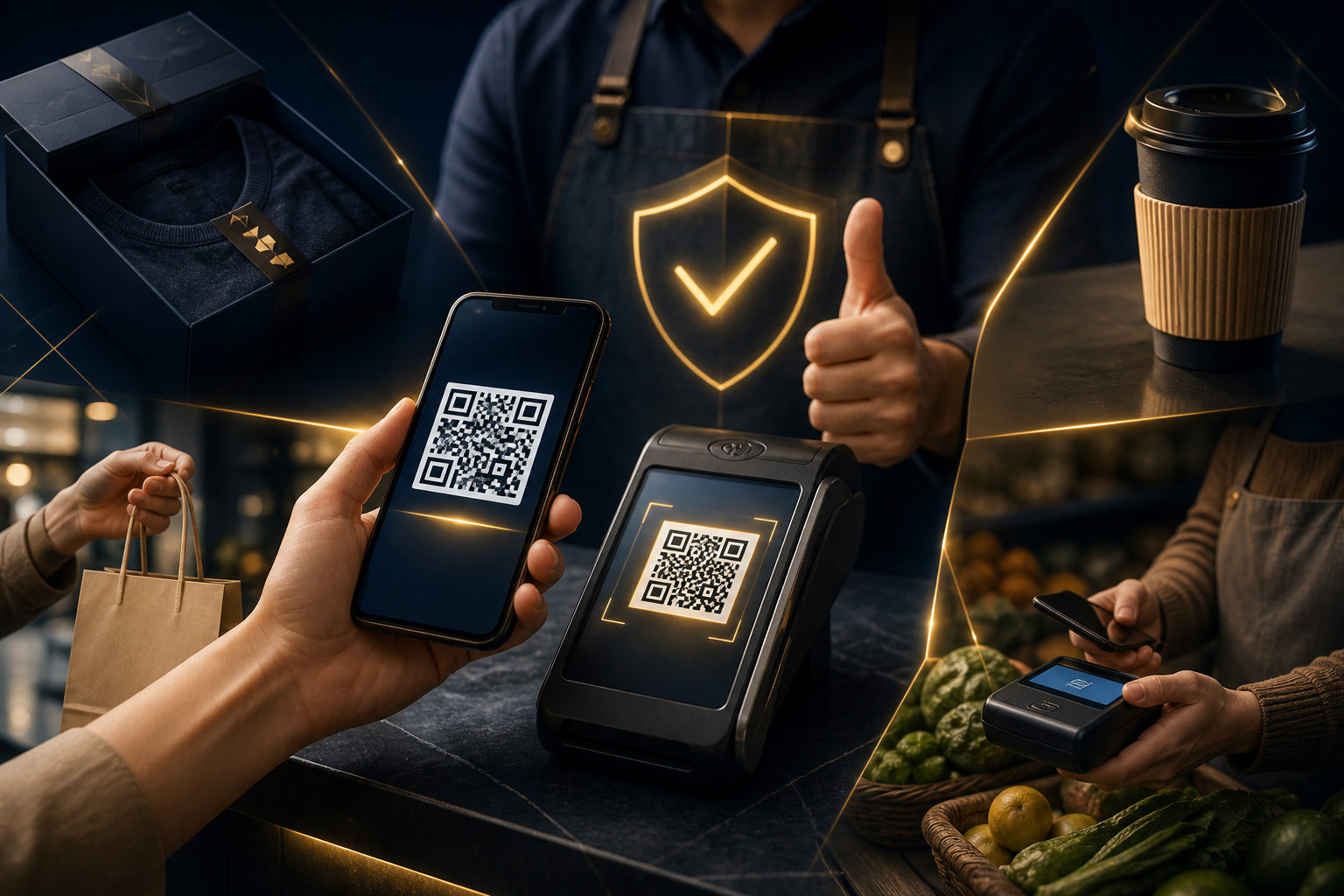
Who accepts Bitcoin Cash? In practice, BCH is accepted by some online merchants, some local businesses, and certain peer-to-peer sellers, but you should never assume that “crypto accepted” means BCH is included. The safe approach is to verify the coin, the payment method, and the seller’s confirmation rules before you send anything.
Who usually accepts Bitcoin Cash
People searching this topic often want a clean list, but a list alone is not enough. Payment options change, old forum posts stay online for a long time, and many sellers describe their checkout methods in broad terms. A more useful answer is to understand the kinds of recipients that may accept BCH and how each one should be checked.
The first group is online merchants. These can include stores selling physical goods, digital products, subscriptions, or services. Some say they accept crypto, yet only support a limited set of coins at checkout, which means BCH may or may not be available when you actually place an order.
The second group is in-person businesses. Small retail shops, independent service providers, and local merchants sometimes accept Bitcoin Cash because they want flexible payment options or because the owner already uses crypto personally. Even then, what a business posted before may not match what the cashier or current system supports that day.
The third group is private sellers. This covers secondhand sales, direct deals in online communities, and person-to-person transactions. These deals can be flexible and fast, but they also create more room for confusion about delivery, refunds, and what counts as completed payment.
How to verify that a seller really accepts BCH
Step 1: Check whether the seller says “crypto” in general or BCH specifically
Start with the seller’s own checkout page, payment policy, support page, or official customer service channel. The reason is simple: “crypto accepted” is a category, not a clear instruction. What you need to see is a direct reference to Bitcoin Cash or BCH.
The main caution here is not to confuse Bitcoin with Bitcoin Cash. The names look close, but they are different assets. If you send the wrong one, the problem may be difficult to fix, especially if the seller’s staff is not prepared to handle mistakes.
Step 2: Find out how they take payment
Ask whether they accept BCH through a direct wallet address, a payment page, a point-of-sale system, or another checkout flow. This matters because the payment method affects what you should see in your wallet and how proof of payment should be shared if there is a dispute.
Be careful with addresses sent through random chat messages. A screenshot or private message is not the same as a formal checkout flow. If the payment details do not appear on the merchant’s official page or through a clearly official support channel, stop and verify again.
Step 3: Confirm the asset before sending
If your wallet holds several assets, switch to BCH first and review the payment details before you approve the transfer. The reason is practical, not technical: one of the most common payment mistakes is sending the wrong asset because the payer moved too quickly.
The warning here is that many people rely on partial name matching. Seeing the word “Bitcoin” does not mean any bitcoin-branded asset will work. The seller’s instructions, the checkout screen, and your wallet selection should all point to BCH before you continue.
Step 4: Ask what counts as completed payment
Before sending funds, ask whether the seller treats a broadcast transaction as payment or whether they wait for their own internal confirmation before releasing goods or services. Different businesses handle this differently, especially for digital items, custom work, or ticket-based products.
This step matters because “sent” in your wallet does not always mean “accepted” by the seller. Your wallet can show that the transaction was submitted, while the merchant may still be waiting to update the order status on their side.
Step 5: Keep records without exposing sensitive wallet data
Save the order number, transaction hash, the product page, and any payment confirmation from the seller. If something goes wrong, these records help establish what was agreed at the time of purchase.
At the same time, do not overshare. A legitimate merchant does not need your seed phrase, private keys, wallet backup files, or full account access just to confirm a BCH payment. Proof of payment is one thing; handing over wallet control is something else entirely.
If you plan to pay with Bitcoin Cash, follow a safer process
Step 1: Confirm BCH support through the official flow
Look for the answer in the merchant’s own payment terms, checkout page, or official support channel. This is worth doing because payment options can change, and a mention in an old post does not prove the same option is still available now.
The caution is to avoid relying on search results, reposted screenshots, or unofficial social media replies. Scammers often copy the style of a real brand and then redirect buyers into fake checkout pages or fake customer support conversations.
Step 2: Use a small test payment when the situation allows it
If the purchase flow makes it possible, a small test payment can help confirm that the address, asset, and merchant handling process all line up correctly. This reduces the chance of a larger loss caused by a simple error.
Still, a test payment does not prove that everything is safe. If the seller starts changing instructions right after that payment, pushes you into another app, or claims the address suddenly changed, treat that as a serious warning sign and verify the entire process again.
Step 3: Review payment details one last time before sending
After scanning a QR code or pasting an address, pause and inspect what your wallet shows. The point is to catch copy-and-paste mistakes, swapped QR codes, or malware that changes addresses in the background.
This matters even more on public networks, old devices, or phones with software from unknown sources. You do not need to panic, but you do need a habit of checking the asset name and reviewing the payment details before approving the transfer.
Step 4: Wait for the merchant’s confirmation after payment
Once you send BCH, follow the seller’s stated process for sharing proof of payment and wait for their response. Crypto payments are not like handing over cash at a counter. There can be a gap between the moment you send and the moment the seller marks the order as accepted.
One important warning: if someone asks for an extra “verification fee,” “unlock fee,” or another payment after you already sent BCH, stop immediately. Fees related to sending a transaction should be visible in your own wallet interface, not introduced later by a stranger.
Common scam patterns to watch for
Fake support accounts and fake payment pages
A common trick is to redirect a buyer from a real merchant page to an imitation account or fake checkout screen. The scammer then gives a wallet address and pressures the buyer to pay quickly before they stop to verify anything.
The best defense is plain and repeatable: only confirm payment details through the merchant’s official channels, and do not trust payment instructions that appear only in private messages. If a merchant genuinely accepts BCH, there should be a clear way to see that inside the normal purchase flow.
Confusing BTC with BCH
This is one of the easiest mistakes for newer users to make. The names are similar, and many sellers use the word “Bitcoin” loosely even when they do not mean Bitcoin Cash.
The practical fix is to treat coin verification as a separate step. If the seller says Bitcoin Cash, make sure your wallet is set to BCH. If the seller only says Bitcoin, do not assume BCH is acceptable unless they state it clearly.
Paying first and finding out the seller never delivers
This risk is higher in direct sales and informal community deals. A private seller may not have a documented refund policy, a clear delivery process, or any durable reputation outside one chat room or one post.
To reduce the risk, get the terms in writing before paying: what the item is, how delivery works, when it will happen, and what happens if the deal fails. If the seller is vague, keeps rushing you, or refuses to leave a record, that is a strong reason to walk away.
“Help” that turns into wallet theft
Some scammers offer to teach new users how to pay with BCH, then ask them to install remote access tools, share screens, or reveal wallet recovery information. Once they gain control, the loss can extend far beyond one payment attempt.
The rule here is absolute: never share your seed phrase, private keys, or full wallet backup with anyone. A seller that truly accepts Bitcoin Cash has no legitimate reason to request those items.
How to look for BCH-friendly sellers without trusting stale lists
If your real question is where to find people who accept Bitcoin Cash, the safest method is not to depend on copied lists. Merchant support can change, and old directory pages, old comments, and old screenshots can all give the wrong impression.
A better process has three parts. First, check the merchant’s own site, store page, or payment documentation for a direct mention of BCH. Second, compare that with the actual checkout flow and any reply from official support so the information matches. Third, before sending funds, ask the seller to state the payment process clearly, including how they receive BCH, when they treat payment as complete, and how they handle disputes or failed orders.
This approach matters because a real payment decision is not based on a slogan. It is based on whether the seller has a clear and usable process. If they cannot explain the process, then even a seller who claims to accept BCH may not be safe to deal with.
FAQ
What kinds of merchants are more likely to accept Bitcoin Cash?
Independent online merchants, smaller businesses, and peer-to-peer sellers are more likely to accept BCH than large mainstream retailers. Even so, you should verify the payment option in the official checkout process before you send anything.
Does “crypto accepted” automatically mean BCH is accepted?
No. That phrase only tells you the seller accepts at least one digital asset. You still need a clear reference to Bitcoin Cash or BCH from the seller’s official payment flow or support channel.
What should I check before paying with Bitcoin Cash?
Check the asset name, the payment method, and the seller’s rule for when payment is considered complete. Many problems come from assuming that a wallet showing “sent” means the merchant has already accepted the order.
Are person-to-person BCH payments riskier than buying from a merchant?
Often yes, because private deals tend to have fewer formal rules and weaker records. A small test payment and a written agreement on delivery terms can reduce confusion, but they do not remove the need for caution.
What if the seller changes the wallet address at the last minute?
Pause the transaction and verify through an official channel before doing anything else. A last-minute address change does not always prove fraud, but it is a high-risk event and should never be treated as routine.
The most useful next step is simple: verify that the seller explicitly accepts BCH, confirm the payment method, use a small test payment for important deals, and stop at once if anyone asks for your seed phrase, remote device access, or extra verification money.