


The draw feels patterned, but the mechanism has no memory
Keno players often keep a card of recent numbers, mark the ones that have appeared most often, and look for gaps they believe are overdue. The impulse is understandable: a sequence of 20 numbers out of 80 invites pattern-spotting, and the human eye is good at finding shapes in noise. But the question behind the pattern-spotting is simpler than it looks. Are keno numbers random? The honest answer is that the draw mechanism is built to be random, and every number in the field has the same chance of being selected on every single draw, regardless of what happened in the previous draw, the previous hour, or the previous month.
The confusion comes from treating the numbers as if they carried a history. They do not. A number that has appeared in five consecutive draws is not more likely to appear again, and it is not less likely either. The draw does not compensate for past results, and it does not continue them. Each selection is independent of the last, which is precisely what randomness means in a game like this.
What selects the numbers
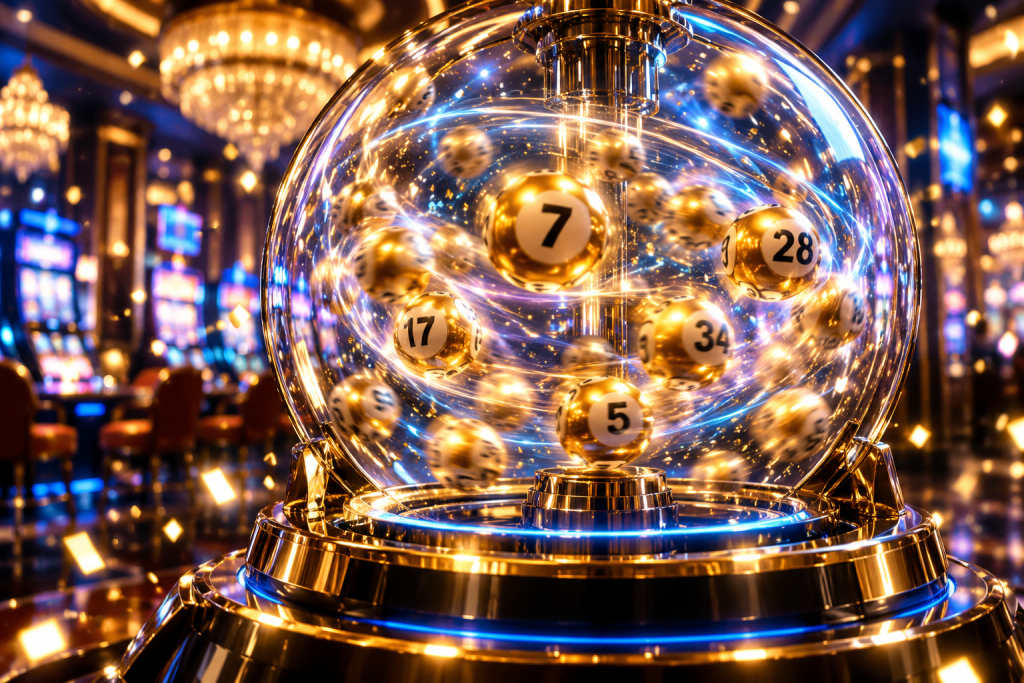
In a physical keno game, the draw comes from a blower that mixes numbered balls and selects a set of them, usually 20 from a field of 80. The mixing is mechanical, and the result depends on the physics of the tumble. In an online or video keno game, the selection comes from a random number generator, or RNG. The RNG is the algorithm that determines game outcomes, and independent testing laboratories are commonly used to certify RNG behaviour. That certification covers game mechanics, not an operator's financial conduct, so it tells you something about the fairness of the draw process, not about anything else the operator does.
The key point is that neither mechanism is trying to complete a pattern. The blower does not know which numbers have been drawn recently, and the RNG does not consult a history file before producing its next result. The next draw is generated from the same uniform distribution as every other draw, with every number carrying the same probability of selection.
Hot numbers, cold numbers, and the illusion of due
Keno displays often show which numbers have been drawn most frequently over a recent window, and players sometimes call these hot numbers. The display is a record of the past, nothing more. A number that has appeared unusually often in a short sample is experiencing a run of variance, not revealing a hidden tendency. Over a very large number of draws, every number should appear with roughly equal frequency, but short samples can look lumpy. That lumpiness is exactly what random sequences produce.
The same logic applies to numbers that have not appeared for a while. They are not due. There is no balancing force that pushes a neglected number into the next draw to even out the statistics. If a number has a 1 in 4 chance of being selected on a given draw, it has that same chance on the next draw whether it has just been selected ten times in a row or has been absent for a hundred draws. The past does not alter the probability.
| Belief | What the mechanism does |
|---|---|
| A hot number is more likely to appear again | Each draw is independent; past frequency does not raise the next draw's probability |
| A cold number is due to appear | No compensation exists; the probability stays the same regardless of the gap |
| Recent results reveal a pattern to exploit | Short-run clusters are normal variance, not a signal |
| Choosing numbers based on past draws improves odds | Every set of numbers has the same chance as any other set |
What the player controls in keno
Keno is a lottery-style game, and the house edge on it is typically substantial compared with many table games. The player's decisions are limited: how many numbers to pick, which numbers to pick, how much to wager, and how many draws to play. The choice of how many spots to play changes the payout structure and the variance, but it does not change the fundamental fact that the game carries a built-in advantage for the house on every ticket.
Choosing numbers based on birthdays, lucky numbers, or a hot-and-cold chart does not change the expected outcome. A ticket with the numbers 1 through 6 has the same probability of matching a given number of drawn numbers as a ticket with six numbers that have appeared frequently in the last hour. The numbers are not the variable; the game's payout table is. If a player wants to understand what a keno ticket really costs, the payout table is the document to read, because it shows how much the operator returns for each number of matches and how that compares with the true probability of matching that many.
How to check the draw mechanism where you play
If you are playing keno online and want to know how the numbers are being selected, the operator's game information panel is the place to look. It should state whether the game uses an RNG and whether that RNG has been certified by an independent testing laboratory. Some crypto-based keno games go further and use a provably fair scheme, where a hashed server seed is published before play and revealed afterwards, letting a player verify that the outcome was not altered after their bet. Provably fair verifies individual round integrity; it is not a licence, an audit, or a guarantee of solvency, but it does give a player a way to check the draw itself.
For a physical keno game at a venue, the draw is usually visible, and the venue's posted rules describe the equipment and the draw procedure. If you want to know the return on a particular keno ticket, the payout table is the authoritative document, and it is normally displayed at the keno counter or in the game's information screen. No chart of past numbers can substitute for reading that table.
FAQ
Do online keno games use the same random process as physical keno?
They use a different mechanism but the same principle. A physical draw relies on a mechanical blower mixing numbered balls, while an online game relies on a random number generator. Both are designed to produce an independent, uniformly distributed selection on every draw, and neither consults a history of past results.
Can a keno number generator be rigged?
A certified RNG is tested to behave as a uniform random source, and a provably fair scheme lets a player verify individual round outcomes against a published seed. What a player cannot verify from the draw alone is an operator's financial conduct, which is a separate matter from the randomness of the numbers.
Why do some keno numbers seem to appear more often than others?
Because random sequences produce clusters. In any short run of draws, some numbers will appear more often than others purely through variance, just as a fair coin can land heads several times in a row. The long-run frequency evens out, but the short-run pattern is not evidence of a bias.
Gambling should be entertainment, not a financial strategy. If gambling stops being fun, set limits, take breaks, and seek support. In the US, call the helpline printed in the footer below for confidential help.
Play responsibly
Gambling should be treated as paid entertainment, never as a way to earn income or recover losses. 1-800-MY-RESET (1-800-697-3738)
18+ or 21+ depending on where you are; follow the minimum age that applies to you.
This article is general information about how these mechanics work. It is not legal advice and not a recommendation to gamble or to use any particular operator. Availability and legality differ by jurisdiction — check the rules that apply where you are.