


The draw happens on a fixed cycle, not on demand
A keno game is a lottery-style draw. You pick a set of numbers on a ticket, the operator draws a larger set from a fixed pool, and your payout depends on how many of your numbers match the draw. In Queensland, the game runs through a state-level operator, and the draw itself is the part most players never see happen live. It is not a slot spin. It is a scheduled event with a mechanical or electronic selection process behind it.
The pool is the first thing to understand. A standard keno game uses 80 numbered balls, from 1 to 80. Each draw selects 20 of those numbers. Your ticket might ask you to pick anywhere from one to ten numbers, depending on the game format, and the pay table compares your picks against the 20 drawn numbers. The more of your numbers that appear, the larger the prize tier you reach.
What the draw looks like
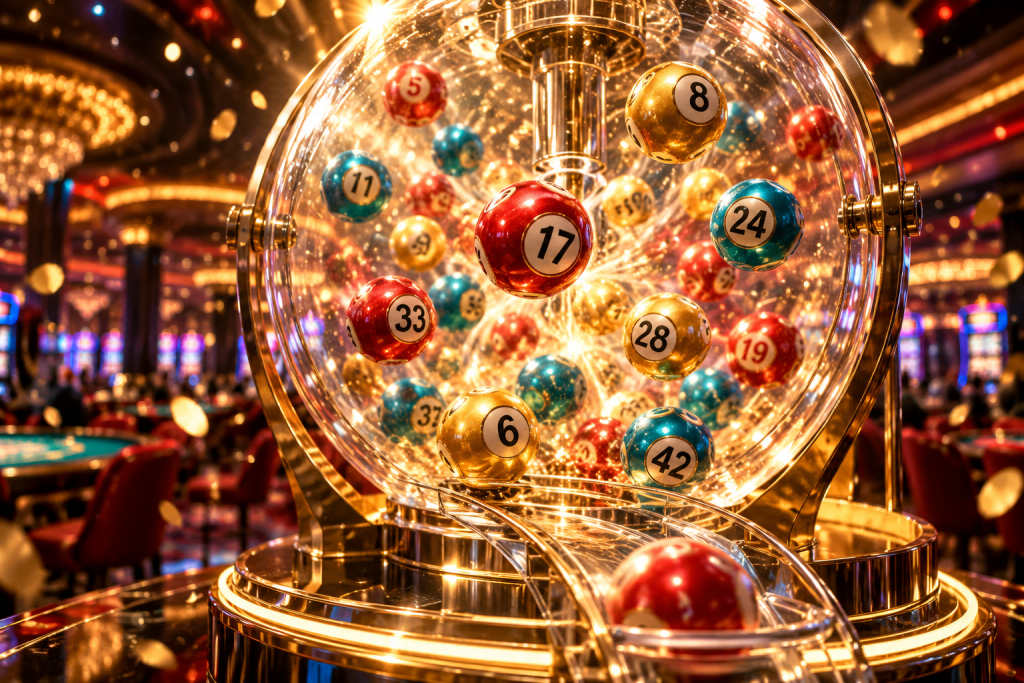
The selection method matters because it determines whether the draw can be independently verified. Two systems are common. The first is a physical ball machine, where numbered balls are mixed by air or mechanical agitation and then selected one at a time. The second is an electronic random number generator, where a certified algorithm produces the 20 numbers.
In Queensland, the operator publishes the draw schedule and the draw method for each keno product. The schedule is not something to guess at. A player who wants to know exactly when the next draw closes and when the result appears should check the operator's own keno page, the retail terminal, or the app screen where the ticket was bought. The same source states whether the game uses a physical draw, an electronic draw, or a combination of both.
| Draw element | What it means for the player |
|---|---|
| Number pool | 80 possible numbers, from 1 to 80 |
| Numbers drawn | 20 per game |
| Player selection | A fixed set of numbers chosen before the draw closes |
| Prize basis | How many player numbers match the 20 drawn |
| Draw method | Physical ball machine or electronic RNG, stated by the operator |
Why the draw method is not the same as the pay table
People sometimes conflate the draw with the odds. They are separate layers. The draw determines which 20 numbers appear. The pay table determines what a match is worth. A game can have a perfectly transparent draw and still carry a large house edge, because the pay table is set by the operator and the prize tiers are built to return less than the total amount wagered over time.
Keno is a high-variance game. The probability of matching all of your selected numbers is low, and the top prize is correspondingly large. Matching fewer numbers happens far more often and pays far less. That distribution of outcomes is volatility, and it does not change the long-run return of the game. The draw method does not change it either. A physical draw and an electronic draw can sit behind identical pay tables.
How a Queensland player can check a result
The result of a Queensland keno draw is published through the operator's channels. The most direct route is the same place the ticket was purchased: a retail terminal can scan the ticket, and an app or website account shows the draw result against the stored ticket. The result is also published as a list of the 20 drawn numbers, usually with the draw number and the time of the draw.
There is a difference between a live draw and a published result. Some keno products are drawn continuously, with a new game starting every few minutes. Others run on a slower schedule. The operator's keno page states the draw interval and the closing time for entries. A player who buys a ticket for a specific draw should note the draw number on the ticket, because that is the only reliable way to match the ticket to the correct result.
Where the rules for Queensland keno are stated
The rules that apply to a Queensland player are not universal. They are set by the operator that runs the game in that state, and they cover the prize tiers, the draw schedule, the method of selection, and the process for claiming a prize. The operator publishes these rules on its own site and at retail locations.
A player who wants the exact draw mechanics for a specific keno product should read the game rules document for that product. The document states whether the draw is physical or electronic, how many numbers are drawn, what happens if a draw is interrupted, and how results are verified. The same document states the minimum age for play and the claim period for prizes. None of those figures should be assumed from a general description of keno.
What changes between keno formats
Keno is not one game. The operator may run several formats under the keno name, and the draw mechanics can differ between them. A classic keno draw selects 20 numbers from 80. A variant may use a different pool size or a different number of drawn numbers. A progressive keno game may add a jackpot that grows from a share of qualifying wagers and resets after a win.
The player's selection also varies. Some formats ask for a fixed number of picks. Others let the player choose how many numbers to play, with the pay table changing according to the number of picks. A ticket with one number has different odds and a different prize structure from a ticket with ten numbers. The draw itself is the same event; the player's exposure changes.
| Format element | What can vary |
|---|---|
| Pool size | 80 numbers in the standard game; variants may differ |
| Numbers drawn | 20 in the standard game; variants may differ |
| Player picks | Fixed or player-chosen, typically one to ten numbers |
| Prize structure | Set by the operator for each format |
| Progressive element | May or may not be attached to a given draw |
What the draw does not tell you
The draw result is a fact. It tells you which numbers were selected. It does not tell you whether a ticket was a good purchase, and it does not predict the next draw. Each draw is independent. The balls or the RNG have no memory, and a number that has not appeared for many draws is no more likely to appear in the next one than any other number.
That independence is the reason no selection strategy changes the expected outcome. A player who picks the same numbers every draw and a player who changes numbers every draw face the same underlying probabilities. The only things a player controls are the number of picks, the amount wagered, and how many draws they enter. Those choices change the size and frequency of the exposure, not the edge built into the pay table.
FAQ
Does Queensland keno use a ball machine or a computer?
The operator states the draw method for each keno product on its own game rules page. Some products use a physical ball draw, others an electronic random number generator, and some use both at different stages. The method is published, and a player can check it for the specific game they play.
How many numbers do I need to match to win anything?
That depends on the pay table for the format you played. A ticket with one pick has a different prize structure from a ticket with ten picks. The operator's pay table shows the minimum number of matches that pays a prize for each selection size.
Can I watch a Queensland keno draw live?
Some keno products are shown live through the operator's app or website, and others are published as results after the draw closes. The operator's keno page states whether a live view is available and where the draw is displayed.
Play responsibly
Gambling should be treated as paid entertainment, never as a way to earn income or recover losses. 1-800-MY-RESET (1-800-697-3738)
18+ or 21+ depending on where you are; follow the minimum age that applies to you.
This article is general information about how these mechanics work. It is not legal advice and not a recommendation to gamble or to use any particular operator. Availability and legality differ by jurisdiction — check the rules that apply where you are.