


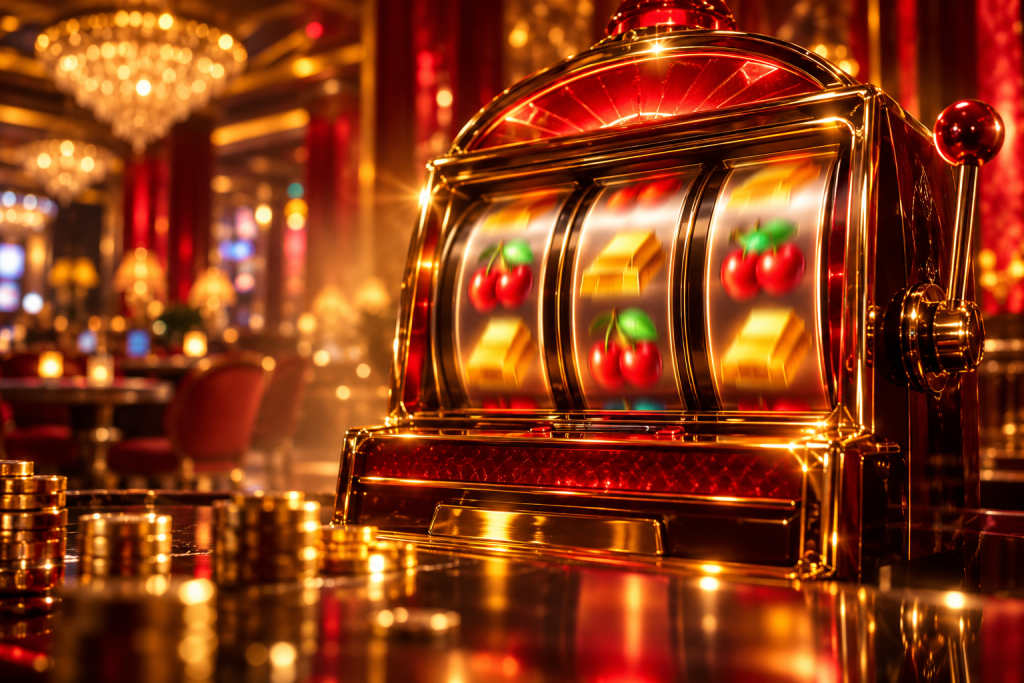
The short answer is that renting a slot machine is a business-to-business matter, not a consumer rental
Most people asking this are picturing a machine for a party, a private event, or a home game room. That framing runs into a structural problem before any rental company is even contacted: slot machines are treated differently from ordinary rental equipment in most jurisdictions, and the rules that apply depend on who is renting, where the machine will sit, and what the machine does.
This article cannot tell you whether a specific rental is permitted where you live, because no jurisdiction-specific facts are available to this article. What it can do is explain the categories of rental that exist, the variables that determine whether a rental is possible, and the official channel that holds the current answer for your location.
Three different transactions hide behind the phrase "rent a slot machine"
The phrase collapses several distinct arrangements into one. Each has different participants, different paperwork, and different legal exposure. Before contacting anyone, it helps to know which category the request falls into.
| Rental type | Typical renter | Where the machine sits | What governs it |
|---|---|---|---|
| Commercial equipment lease | Licensed casino or gaming operator | Gaming floor of a regulated venue | Gaming authority rules, supplier licences, technical certification |
| Event or party rental | Private individual or event company | Private venue, home, or rented hall | Local gambling, amusement, and prize laws |
| Amusement or arcade machine rental | Business owner, bar, or arcade | Commercial premises open to the public | Amusement device classifications and local licensing |
The first category is routine in the casino industry. The second is where most consumer questions live, and it is the category most likely to be restricted or prohibited depending on where the event takes place. The third sits in a grey zone because machines that look like slot machines may be classified as amusement devices if they do not pay out cash or cash-equivalent prizes.
What "slot machine" means changes what rules apply
A cabinet with spinning reels is not automatically a slot machine in the legal sense. Many jurisdictions define a gambling device by what it does with money and prizes, not by its appearance. A machine that accepts money and pays out cash, tokens redeemable for cash, or anything of value is likely to be treated as a gambling device. A machine that accepts money only for amusement and awards no redeemable prize is usually classified differently.
This distinction matters for rental because it determines which regulator, if any, has authority over the transaction. A private person renting a cash-payout machine for a home party may be attempting to operate an unlicensed gambling device, even if no commercial venue is involved. A business renting amusement-only machines may only need a local business licence, or may face no specific machine regulation at all, depending on the jurisdiction.
Because this article has no jurisdiction-specific facts, it cannot state which classification applies to any named location. The authoritative source is the gaming or gambling authority for the state, province, or country where the machine will physically sit, and in some places a separate local or municipal body governs amusement devices.
Commercial casino operators rent machines through a different channel entirely
Licensed casinos do not rent slot machines in the way a consumer rents a carpet cleaner. They acquire machines through leases, revenue-share agreements, or outright purchase from manufacturers and distributors that hold supplier licences in the relevant jurisdiction. The machine itself must typically be approved or certified for that market, and the operator must report machine inventory to the gaming authority.
A private individual cannot simply enter this channel. The supplier's licence obligations, the operator's licence obligations, and the technical certification requirements are all tied to the regulated venue. A rental company offering machines to the general public is not part of this system, and a machine sourced from a licensed supplier does not become lawful for private use just because it was manufactured for a casino.
The distinction to hold onto is this: the casino industry rents machines as regulated equipment between licensed parties. The consumer question about renting a machine for private use is a different question with a different answer, and that answer is location-specific.
Why the answer depends on where the machine will sit
Jurisdiction is the single largest variable. The same machine, the same rental company, and the same event could be treated differently in two neighbouring states or provinces. Some places regulate only cash-payout devices, some regulate any device that simulates gambling, some exempt private social gatherings, and some prohibit possession of gambling devices outright outside licensed venues.
There is no universal rule this article can state, because no such universal rule exists. What exists is a patchwork of statutes, regulations, and enforcement practices that change over time. A rental company may operate in one state and not ship to another for exactly this reason.
Even the age of the machine can matter. Older electromechanical machines are sometimes collected and traded as antiques or curios, but possession and transport rules can still apply. A machine that is disabled, gutted, or converted to home-use free-play may be treated differently from a fully functional cash-accepting device. None of these distinctions can be resolved without checking the specific jurisdiction.
What a rental company can and cannot tell you
A legitimate equipment rental company should be able to state plainly what it rents, where it delivers, and what restrictions it places on use. What it cannot do is give you legal assurance that the rental is lawful for your specific event or premises. That determination belongs to the regulator, not to the vendor.
Be cautious with any company that claims its machines are universally legal, that private use is never regulated, or that a machine is fine because it is set to free-play. Free-play configuration may or may not change the legal classification, and a vendor's assurance is not a defence if the jurisdiction disagrees.
The safer sequence is to determine the classification first and shop for equipment second. Find the gaming authority or gambling commission for the jurisdiction where the machine will sit, check its published guidance on amusement devices and gambling devices, and only then contact rental companies with a clear description of the intended use.
What to confirm before you rent
Several facts must be pinned down before any agreement is signed, and each one lives in a different place. The table below separates what to confirm from where the current answer sits.
| Item to confirm | Why it matters | Where the current answer lives |
|---|---|---|
| Classification of the machine in the destination jurisdiction | Determines whether gambling, amusement, or no specific machine law applies | Gaming authority or gambling commission published guidance for that jurisdiction |
| Whether private possession or use is restricted | Some jurisdictions regulate possession even without commercial use | Statutes and regulations published by the jurisdiction's official sources |
| Whether the rental company delivers to that location | Companies often restrict delivery by state or province | The rental company's own delivery terms |
| Whether the machine pays out or is amusement-only | Payout capability is the most common trigger for gambling-device classification | Machine specifications from the rental company, checked against the jurisdiction's definitions |
| Whether the event venue has its own restrictions | A rented hall or commercial venue may prohibit gambling devices in its lease or policies | The venue's own terms and management |
None of these items can be answered by this article, because no jurisdiction-specific facts are available here. Each one is checkable through the channel named in the third column, and checking before paying is the only way to avoid renting equipment that cannot lawfully be used.
Where the authoritative answer lives
The body that regulates gambling in the jurisdiction where the machine will sit is the primary source. Its published guidance on gaming devices, amusement machines, and private use is the document that determines whether a rental is possible. This article does not name any specific regulator, because the correct one depends entirely on the reader's location, and no location-specific facts are available here.
For commercial operators, the same authority publishes supplier and operator licensing requirements, including any rules about leased equipment. For private individuals, the authority's guidance on social gambling, amusement devices, and possession of gambling equipment is the relevant reading.
Local government can add a second layer. A city or county may license amusement devices, regulate businesses that operate them, or prohibit certain machines even where the state or province is silent. A complete answer therefore requires checking both the state or provincial level and the local level.
FAQ
Can I rent a slot machine for a private party?
Whether a private party rental is permitted depends on the jurisdiction where the party takes place and on how the machine is classified. A cash-payout machine is more likely to be treated as a gambling device than an amusement-only machine. No universal answer exists, and this article cannot state the rule for any specific location. Check the gaming authority's guidance for the destination jurisdiction before contacting any rental company.
Do casinos rent out their slot machines to the public?
No. Casino machines are acquired through leases and supply agreements between licensed operators and licensed suppliers, under the oversight of the gaming authority for that jurisdiction. That equipment channel is not open to private individuals, and a machine sourced from a casino supplier does not become lawful for private use by virtue of its origin. The consumer rental market is separate and governed by different rules.
Is a free-play slot machine legal to rent anywhere?
Not necessarily. Free-play configuration may change how a machine is classified in some jurisdictions, but it does not create a universal exemption. Some places regulate machines that simulate gambling regardless of payout, while others focus on payout capability. The only reliable way to know is to check the definitions and guidance published by the gaming authority for the jurisdiction where the machine will be used.
Play responsibly
Gambling should be treated as paid entertainment, never as a way to earn income or recover losses. 1-800-MY-RESET (1-800-697-3738)
18+ or 21+ depending on where you are; follow the minimum age that applies to you.
This article is general information about how these mechanics work. It is not legal advice and not a recommendation to gamble or to use any particular operator. Availability and legality differ by jurisdiction — check the rules that apply where you are.