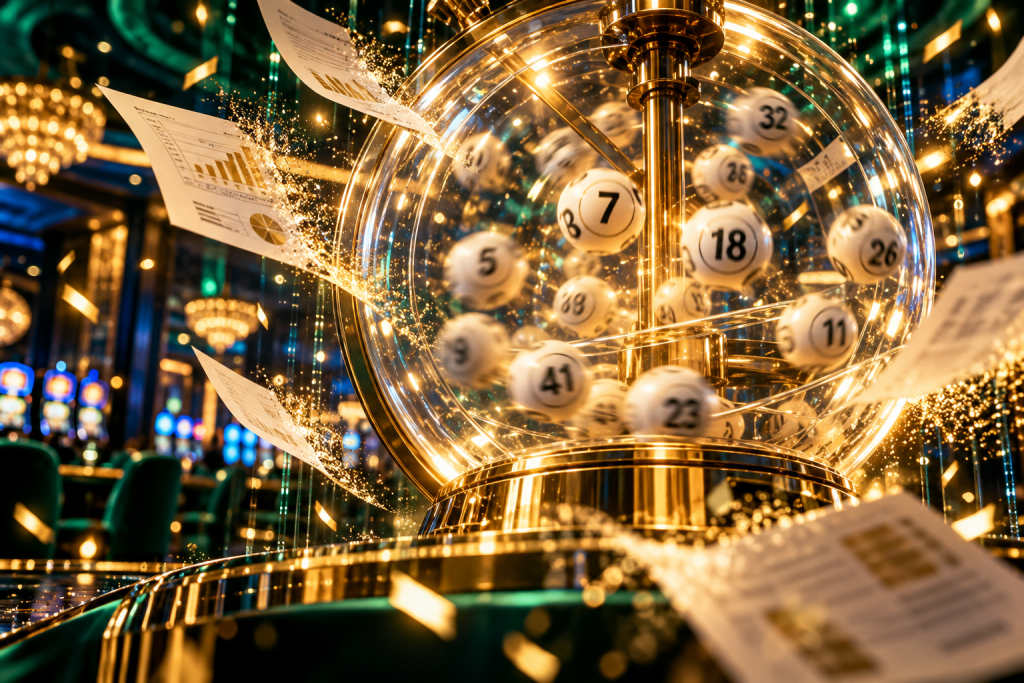
kenoHow Keno Draws Are Checked for FairnessKeno results come from a random number generator or a physical ball machine, and the question of whether a draw is rigged is answered by how the game is tested and audited, not by the outcome of any single round.00
kenoHow Keno Draws Are Run and CheckedKeno draws are built on random number generation and are not rigged in the sense of per-player targeting. This article explains how the draw works, what is verified, and where you can check the results for the game you play.10
slot machinesWhy Slot Machines Are Built to Hold Your AttentionSlot machines use speed, sound, near-misses and variable rewards to keep sessions going. Understanding those mechanisms is the first step to setting limits that hold.30
online casinoChecking a Casino Site Before You DepositA practical framework for verifying an online casino's fairness and security claims yourself, from RNG certificates to complaint paths and cloned-site warning signs.00
kenoWhy No Keno Number Is Picked More OftenKeno draws use a random number generator or a physical blower, so every number has the same chance in every draw. The idea of 'most picked' numbers comes from short-run patterns, not from anything that changes the odds.00
slot gamesHow to Check if a Slot Game Is GenuineLearn the practical checks you can run on any slot game or casino site before you play, from RNG certification to terms clauses and phishing signs.10
slotsReading a Branded Slot's Paytable and Return StructureA branded slot resolves each spin through the same mechanisms as any other modern machine. Understanding the RNG, reel mapping, volatility and jackpot rules tells you what a spin can do.00
slot machinesThe Parts Inside a Slot Machine and What They DoA slot machine is a system of physical and software components working together. Understanding the parts helps you read a game's paytable and information panel accurately.00