
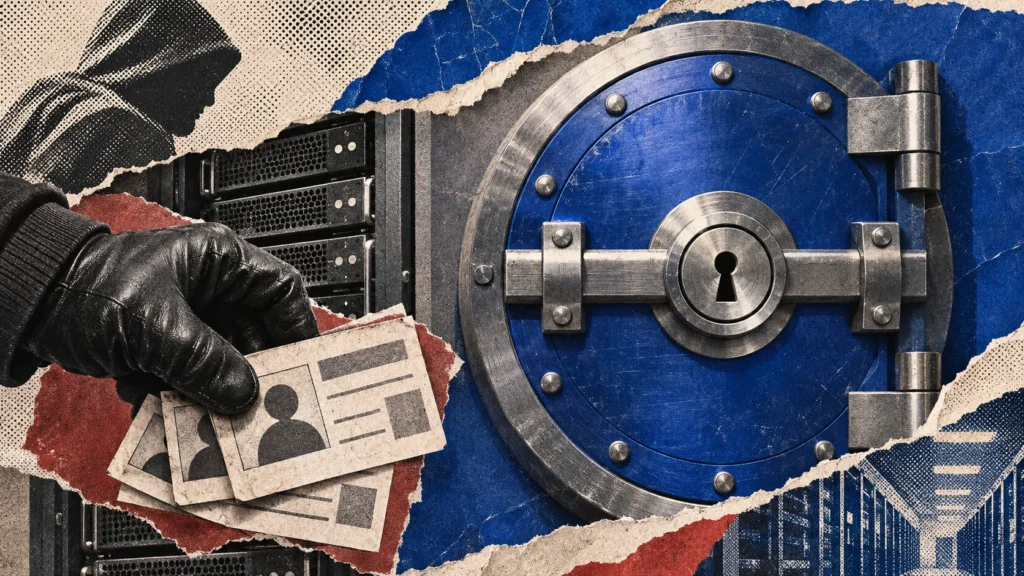
1Password confirmed that an attacker used a compromised employee GitHub account to push malicious code to a backend service and download some customer account records. The password manager said vault contents and the keys protecting them were not affected.
The company said vault secrets are encrypted with keys held only by users. Neither 1Password nor an attacker who gains access to its servers can obtain those keys or open the vaults, it said.
Account records and private source code copied
According to a post on the 1Password blog, the company began investigating on November 19 after discovering that an employee’s corporate GitHub account had been compromised. The attacker used the account to access source code, push malicious code to a backend service and download some customer account records.
The records included names, email addresses, account creation and last-login times, and other technical account data. The company said the information could not be used to log in.
The attacker also copied source code from private repositories and accessed a continuous integration and continuous deployment (CI/CD) system containing infrastructure secrets. 1Password said it had replaced credentials that may have been exposed. Its November 25 announcement did not say how many customers were affected.
Tokens in email links were also taken from a small number of users awaiting completion of an invitation or account recovery. Those users have been notified individually. The company said the tokens require either single sign-on (SSO) authentication or a verification code sent by email. It has changed those codes from six digits to 10 alphanumeric characters.
Warning over impersonation attempts
1Password said users do not need to change their account settings. It advised them to watch for emails, text messages and calls impersonating the company, especially invitation or account recovery notices they did not request.
The company said it will not ask users for their account password or Secret Key, which is stored on the user’s own device. Both should be entered only in the official app or website opened by the user.
Questions over deployment controls
Some Hacker News users questioned whether deployment controls were adequate if a single employee account could push code to the backend. They also raised concern that malicious client-side code could steal data after it was decrypted. In its announcement, 1Password said its apps and browser extensions were not affected.
Security expert Thomas Ptacek wrote in the discussion that an employee account being compromised and code being pushed into production is the most common breach pattern for software service companies. He said the worst case was prevented because users hold the unlocking keys.



