
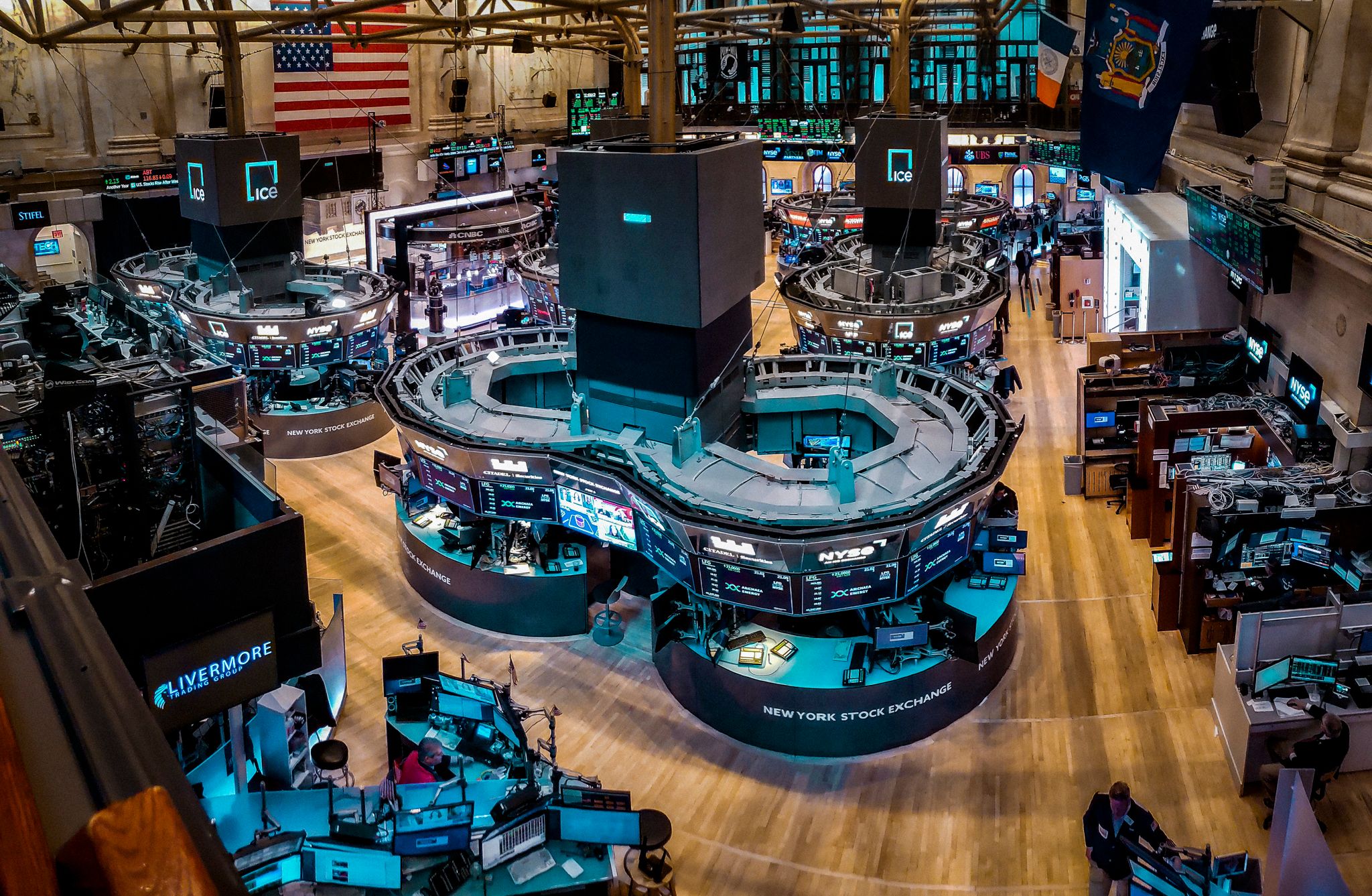
The New York Stock Exchange, Nasdaq, CME and Cboe are competing to introduce 24/7 trading, a shift that could dismantle the after-hours price manipulation that has long plagued U.S. equity markets. Who gains and who loses? The answer is surprisingly straightforward.
Traders win big, middlemen lose big
Mati Greenspan, CEO of Quantum Economics, told CoinDesk bluntly: “The biggest losers in 24/7 stock trading won’t be traders: they’ll benefit massively. It'll be the middlemen who’ve long made money when traders can’t trade.” Greenspan, also a market analyst, alleged that when markets reopen after major events, “a handful of firms decide the first tradable price. Oftentimes, they will explicitly use a price that triggers stop losses for their clients, closing them out at a loss and making a profit for the broker who is essentially trading against the client.”
Asked whether brokers coordinate pricing during market closures, Greenspan was blunt: “Yes, manipulation outright.” “They basically get to control prices, often with hours to strategize,” he said. “Often hunting stop losses. When big news happens on weekends, the house tends to take liberties with pricing at the opening bell.”
Structural flaws in after-hours markets
Greenspan’s accusations are grounded in observable market dynamics. After the 4 p.m. ET closing bell, liquidity dries up, making prices easier to sway. NYSE floor broker Joe Dente explained: “After the 4 p.m. closing bell, you simply don’t have the same liquidity. People have gone home and the liquidity is not there, so you’re going to see larger spreads.” Wider spreads and thinner order books create an environment where price moves are exaggerated compared with regular session.
Academic research backs this up. A widely cited UC Berkeley–University of Rochester study found that after-hours price discovery is “much less efficient,” citing lower volume and thinner liquidity that limit how quickly information is incorporated into prices.
The NYSE is seeking SEC approval for 24/7 trading; Nasdaq announced similar plans in December 2025; CME plans to roll out 24-hour crypto futures in 2026 (pending approval); and Cboe recently expanded U.S. index options to 24/5 trading. Once these efforts materialize, the era of after-hours pricing control may finally come to an end.