
From a product photo to a short-form ad
TikTok Shop, the e-commerce marketplace built into TikTok, moved $64.3 billion in merchandise in 2025, according to Decrypt, nearly double the prior year. The U.S. accounted for $15.1 billion. A large share of that volume came from short, inexpensive face-to-camera videos in which a creator holds up a product and explains why viewers should buy it.

Decrypt’s guide argues that this format no longer needs a person on camera, a phone, lighting, and multiple retakes. In its version, a seller can start with one product image and three AI tools, then produce a promotional clip for TikTok, YouTube, Reels, or Shorts.
Step 1: start with a clean reference image
The first requirement is a clear idea of what to sell. Decrypt says users can choose a product category they know well or browse TikTok Shop for fast-moving items and pick something they believe could work.
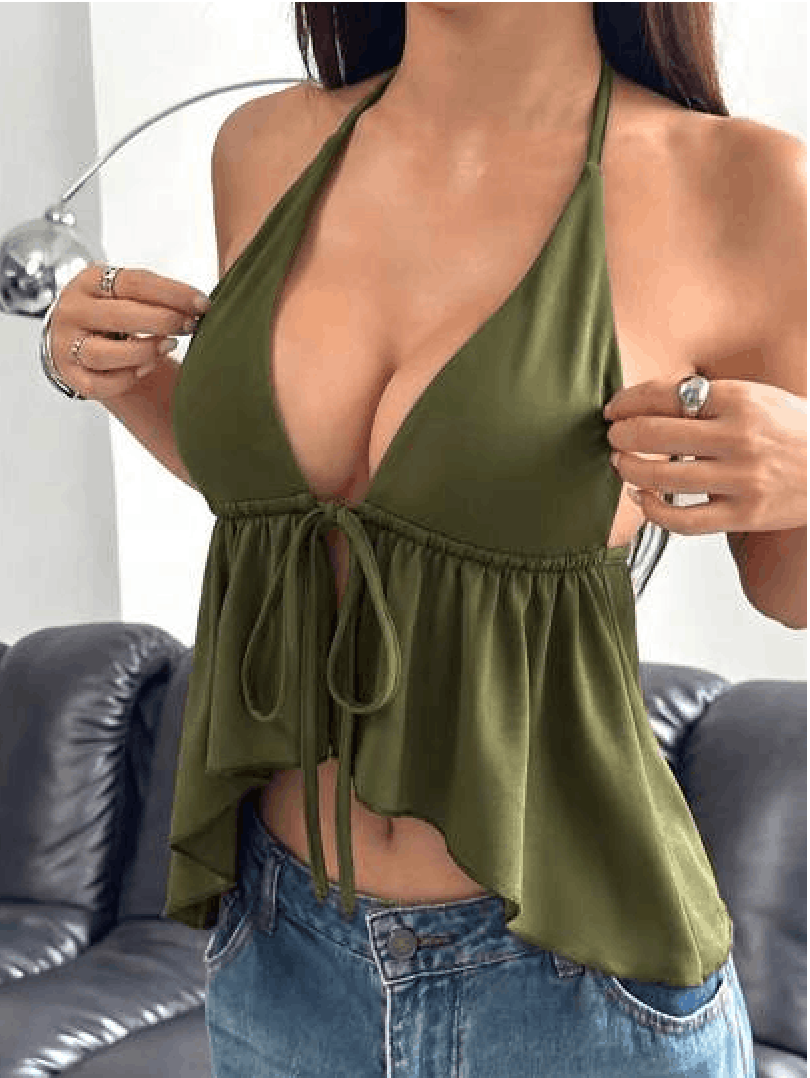
From there, the workflow calls for downloading a product image and cropping it so that only the item remains. No model, no background clutter, no watermark. If the seller is promoting a specific branded item or working with a company, the article says supplier photos should be used instead.
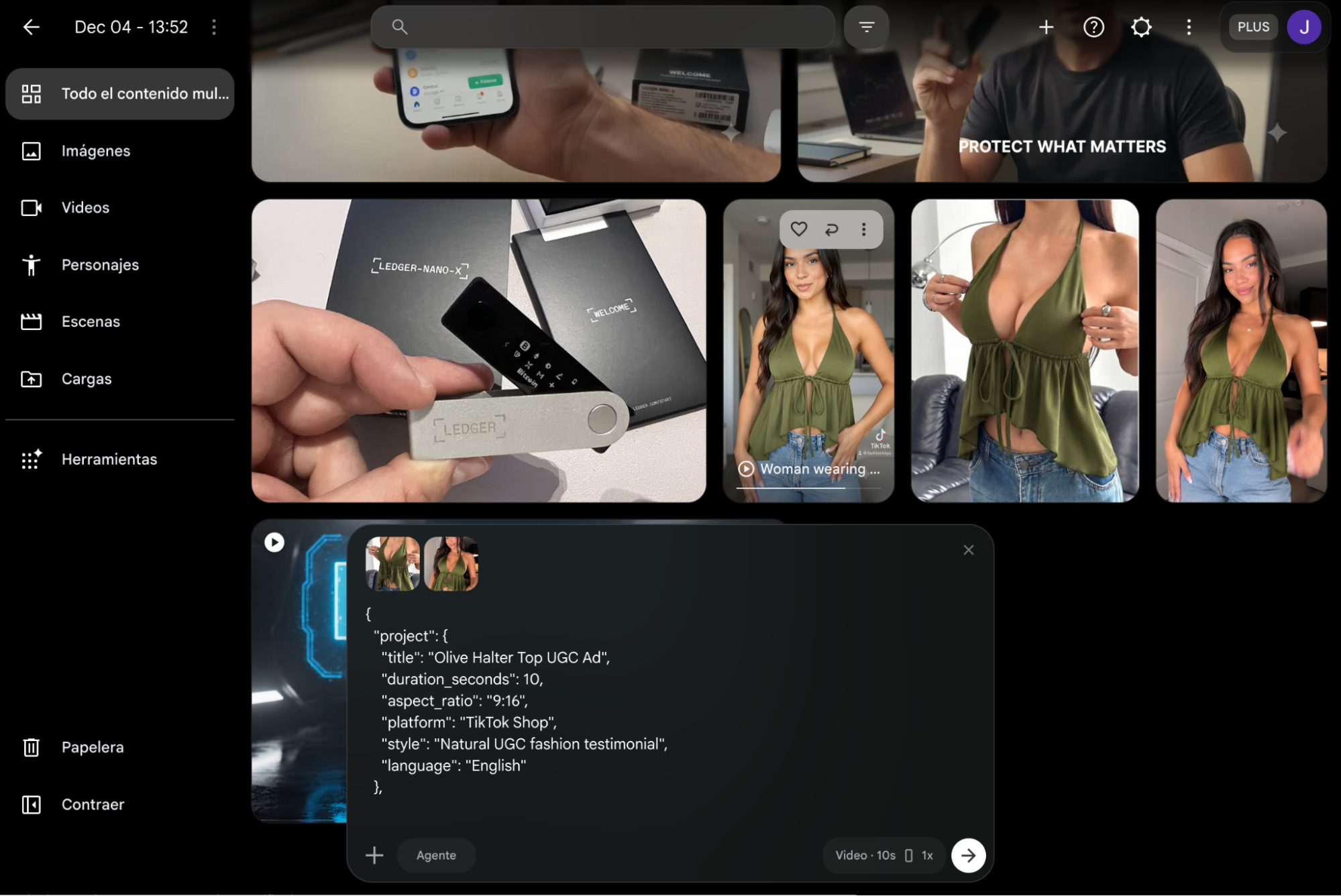
In Decrypt’s examples, the TikTok demo used a green top for a vertical format, while the YouTube version used a Ledger crypto wallet for a horizontal format. The point of the crop is simple: the AI treats that reference as the product standard, so a cleaner image usually means better product fidelity in later generations.
Step 2: add a model or user
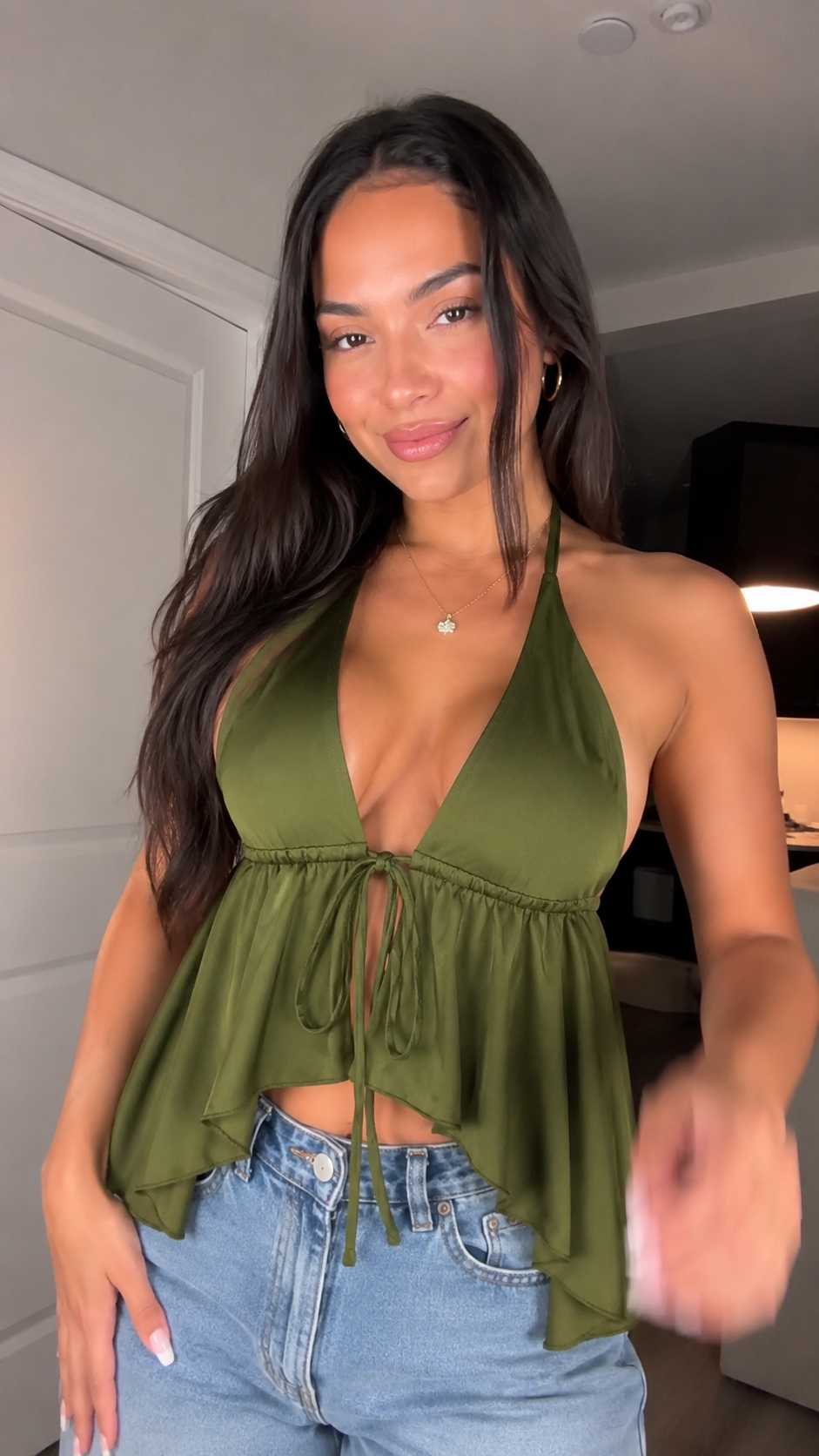
For clothing and accessories, Decrypt recommends generating a human-centered image before moving to video. The article says to upload the cropped product shot to ChatGPT and use GPT Image 2. In Decrypt’s own comparison, GPT Image 2 outperformed Google’s Nano Banana 2 in photorealism and faithfulness to the original product.
The suggested prompt asks for a vertical 9:16 image of a woman wearing the exact garment in a casual smartphone-style photo, while preserving the item’s shape, proportions, color, fabric texture, stitching, and fit. The article notes that users can swap demographic details such as ethnicity, age, and body type to match the target audience, and can also change the setting depending on the product category.
For non-apparel products, “wearing” can be replaced with “holding” or “using.” Decrypt also says a second image can be uploaded if the seller wants the subject placed in a specific location. The same compositing trick can work with Nano Banana 2, while Reve is described as cheaper but less reliable in following detailed prompts.
Step 3: generate a script in JSON
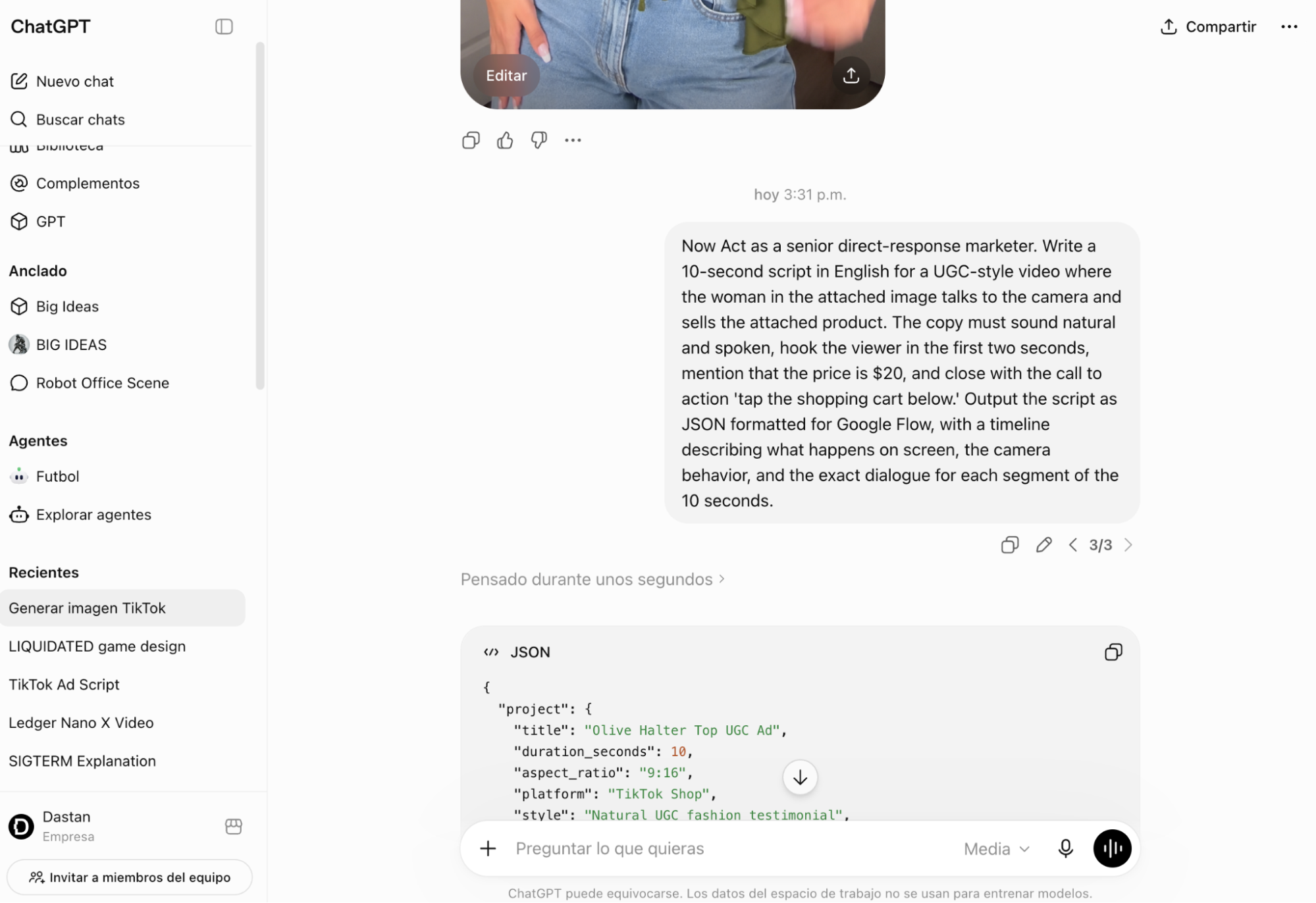
Once the image is ready, the next step is a 10-second script. Decrypt advises against writing it manually and instead tells readers to ask ChatGPT for a direct-response marketing script in English, then format the result as JSON for Google Flow.
The example prompt in the article asks for a UGC-style video where the woman in the image speaks to the camera, hooks the viewer in the first two seconds, mentions a $20 price, and ends with the call to action “tap the shopping cart below.” The JSON should include a timeline with on-screen action, camera behavior, and exact dialogue for each part of the clip.
Decrypt says the JSON structure matters because Google’s video models tend to follow a detailed timeline more accurately than a loose paragraph. The article also warns that outputs should be checked: if the timeline stops at second eight, the model may repeat an action to fill the remaining time.
The wording can also be adjusted by platform. TikTok-specific language can be swapped for X, Instagram Reels, or YouTube Shorts, and the closing call to action can change with the destination platform, such as a shopping cart on TikTok, “link in bio” for Instagram, or “check the pinned comment” for YouTube.
Step 4: create the clip in Google Flow
For video generation, Decrypt uses Gemini Omni inside Google Flow. The article says Google introduced the model at I/O 2026 in May. It can generate clips up to 10 seconds long with native audio, meaning the generated person can speak the scripted lines, and it accepts reference images.
Google Veo is also presented as an option, and possibly a better one in some cases, but Decrypt describes Omni as the cheaper choice. The setup requires two reference files: the generated model image and the cropped close-up of the product. The JSON script goes into the prompt box. Vertical 9:16 is used for TikTok, Reels, and Shorts, while horizontal 16:9 fits standard YouTube videos and pre-roll ads.
On pricing, Flow gives non-subscribers 50 free credits per day, though Google’s support documentation limits those credits to Veo 3.1 models. Omni requires a paid Google AI subscription. Decrypt lists Plus at $7.99 a month with 200 monthly credits, Pro at $19.99 with 1,000 credits, and two Ultra tiers with 10,000 and 25,000 credits.
The article also points to a free route: Google has made Omni available at no cost inside YouTube Shorts and the YouTube Create app for users 18 and older. For comparison, the developer API prices Omni at about $0.10 per second of video, or roughly $1 for a 10-second clip.
Every Omni-generated video includes Google’s invisible SynthID watermark, which identifies it as AI-generated. It does not appear on screen, but platforms can detect it. Decrypt’s caution is direct: this is not a system for pretending the footage is real.
The article says generation quality still varies from run to run, so users may need multiple attempts. If the main issues are minor and can be fixed in editing, Decrypt says there is little reason to spend more credits. In one TikTok example, the speaker repeated the call to action, which the article moves to the next step.
Step 5: clean it up in CapCut
After export, Decrypt recommends opening the clip in CapCut to remove anomalies such as an extra phrase, a looping gesture, or timing problems, then cutting the video to the final length before publishing it to social platforms.
The article singles out subtitles as the one feature to watch. The animated word-by-word caption styles popular on TikTok sit behind CapCut Pro, priced at about $7.99 a month or $59.99 a year. The free tier limits automatic captions, though manual text remains available at no cost.
Cheap tools, platform rules, and a hard sales number
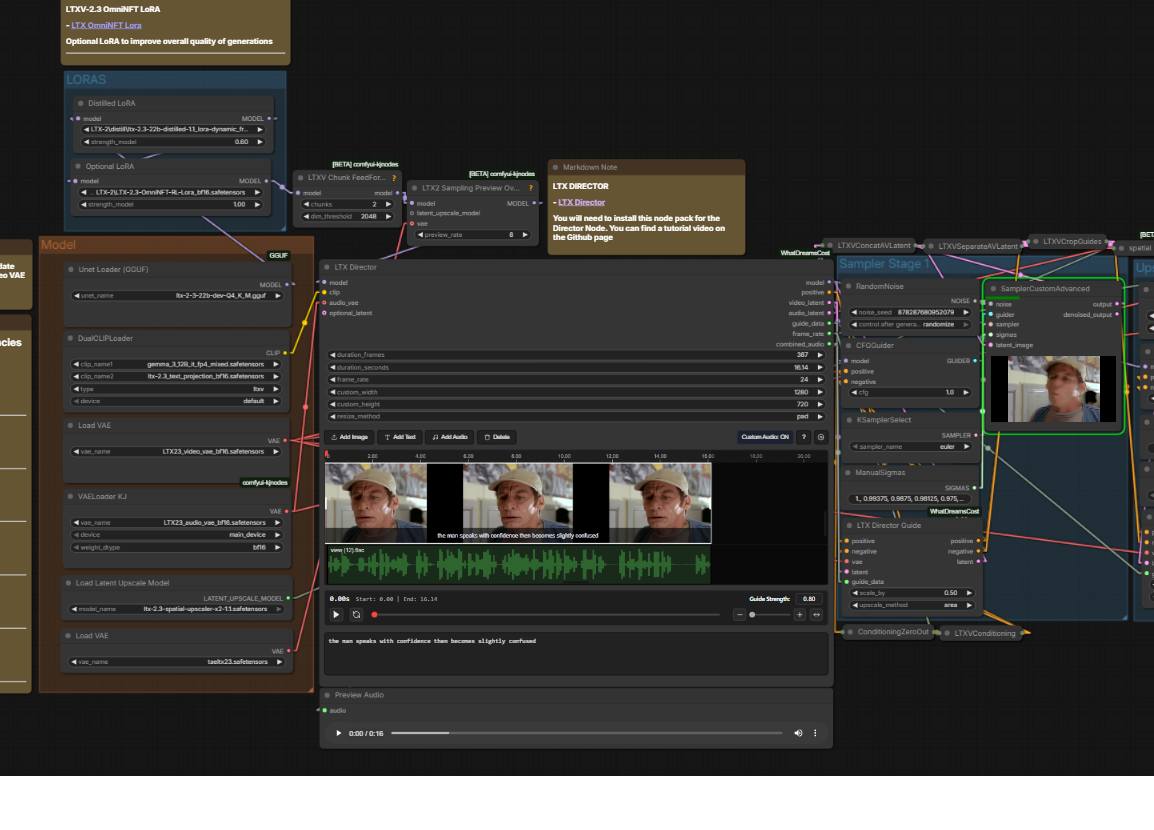
Decrypt describes the output of this workflow as acceptable rather than agency-grade. If users want more control later, the article lists tools such as ElevenLabs for consistent brand voice across many videos, Kling for persistent AI avatars and motion control, node-based systems like ComfyUI for tighter scene control, and n8n for automation. Those additions raise both cost and complexity, but Decrypt says the basic pipeline is enough to test whether a product can sell before spending more seriously.
The article also outlines the selling requirements. To sell on TikTok Shop, users need to be at least 18, provide government ID, and submit bank details that match their registration. Approval typically arrives within three days. TikTok takes a 6% referral fee on most orders. To promote other people’s products as an affiliate, users need 1,000 followers to apply, while full access requires 5,000 followers plus 30 days in the program.
YouTube lowered the entry bar in March, according to Decrypt, when its Shopping Affiliate program opened to Partner Program creators with 500 subscribers across 12 countries, including the U.S. and Brazil.
Both TikTok and YouTube allow AI-generated promotional videos, but both require disclosure. Under TikTok’s policy, realistic AI-generated images, audio, or video must be labeled. Advertisers running non-Spark ads also need to activate the “This ad contains AI-generated content” setting in TikTok Ads Manager, and any creator promoting a brand, product, or service must enable TikTok’s commercial-content disclosure.
YouTube has a similar system. Creators must choose “Yes” under “AI use” when a video contains realistic content generated or meaningfully altered with AI, after which YouTube adds its label. Sponsored or commercially influenced videos also need the platform’s paid-promotion disclosure.
Decrypt adds that X’s Authenticity policy bans synthetic or manipulated media when it is presented deceptively and could cause widespread confusion, threaten public safety, or create serious harm. Its advertising rules require ads to be honest, lawful, and consistent with the product being promoted, though the article says X does not explicitly ban AI-generated images, video, or audio in promotional content.
The story ends with a note of caution from Camille Moore, president of marketing agency Third Eye Insights. Of the 803,500 TikTok Shop stores operating in the U.S. last year, she said, more than half recorded zero sales. The tools may be almost free. The competition is not.