
Alibaba’s Qwen team launched Qwen Image 3.0 on Tuesday, presenting it as a model built for work rather than one focused mainly on visual appeal.
In its announcement, the team said, "Qwen-Image-3.0 is not just pursuing 'good-looking'—it is pursuing 'useful,’ making image generation a truly deployable productivity tool." That sets it apart from many image models that are typically marketed around creativity, realism, or editing strength, including tools mentioned in the report such as Reve, Nano Banana, and Seedream.
Longer prompts and multi-panel output
The first major feature Alibaba is highlighting is what it calls rich content. Qwen Image 3.0 accepts prompts of up to 4,500 tokens, which the company says is 4.5 times the capacity of the previous generation. As the report notes, tokens are the text units an AI system reads, roughly comparable to a word or part of a word, so 4,500 tokens amount to several pages of instructions.
Alibaba says that is enough to describe nine separate infographic panels in one prompt and receive them back as a single completed image.
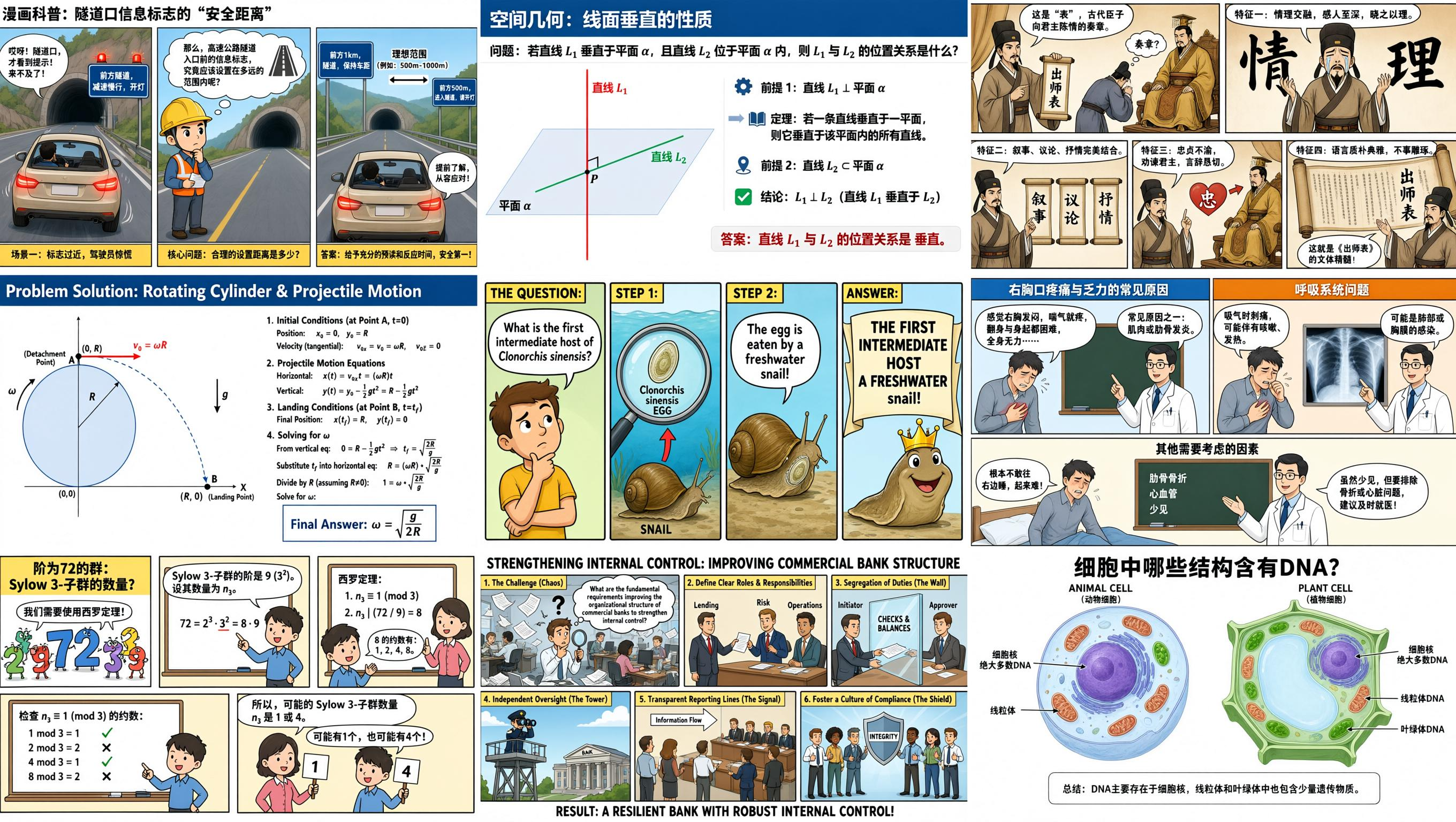
In its blog, Alibaba wrote, "The entire image above was generated by Qwen-Image-3.0 in a single pass, rather than being stitched together from multiple images." In the example cited by Decrypt, each panel includes its own diagrams, formulas, captions, and fine-print text, all rendered in one run rather than assembled afterward.
The article also states that Alibaba describes this as the only model capable of doing that without major errors.
Text rendering, fine details, and LaTeX
The second pillar is what Alibaba calls authentic details. According to the company, the model "supports precise rendering of text as small as 10px, vividly reproducing details like pores and hair strands with lifelike, micro-level depiction." Decrypt notes that 10-pixel text is the sort of fine print often seen in pharmaceutical disclaimers.
Alibaba also says the model can handle LaTeX accurately across full academic paper mockups. LaTeX is the notation system researchers commonly use to write complex mathematical equations.
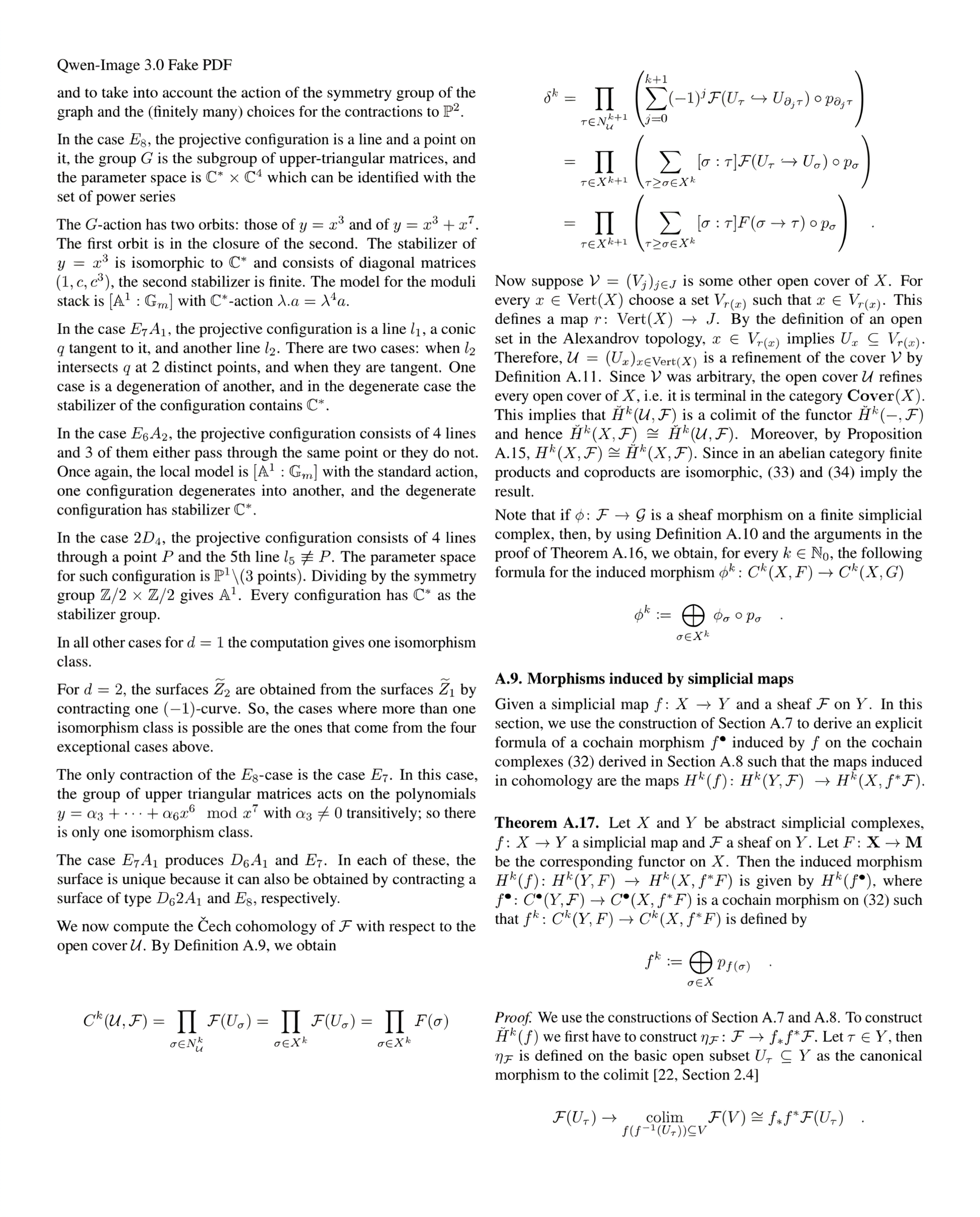
Decrypt said its usual test involves giving image models a few sentences and checking how they process them. Based on Alibaba’s official blog, Qwen Image 3.0 was able to generate the image shown in that example.
The publication then tried the feature using the model’s fastest configuration. In that test, Qwen Image 3.0 was able to reproduce one full Decrypt article. Decrypt described the execution as genuinely impressive, while adding that the result was not flawless.
12 languages and live data access
The third capability is framed as deep knowledge. The Qwen team says the model "supports native rendering of 12 languages, simulates mainstream interfaces such as web pages, games, and livestreams, and draws on rich world knowledge."
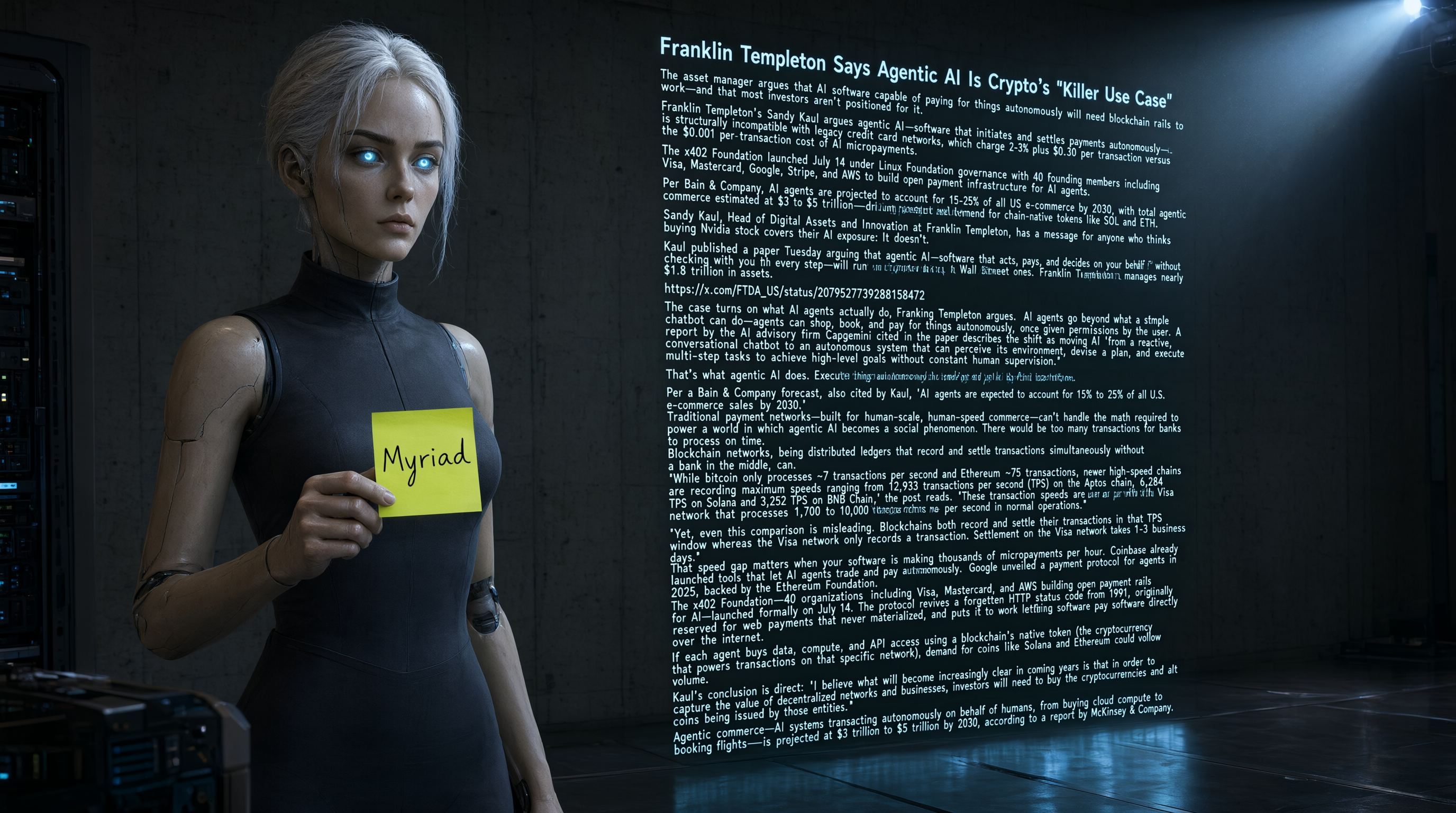
Decrypt also reported that the model connects to the internet to fetch live data. In practice, that means a prompt asking for a weather forecast visual for a specific city and date should return an accurate graphic rather than an estimate.
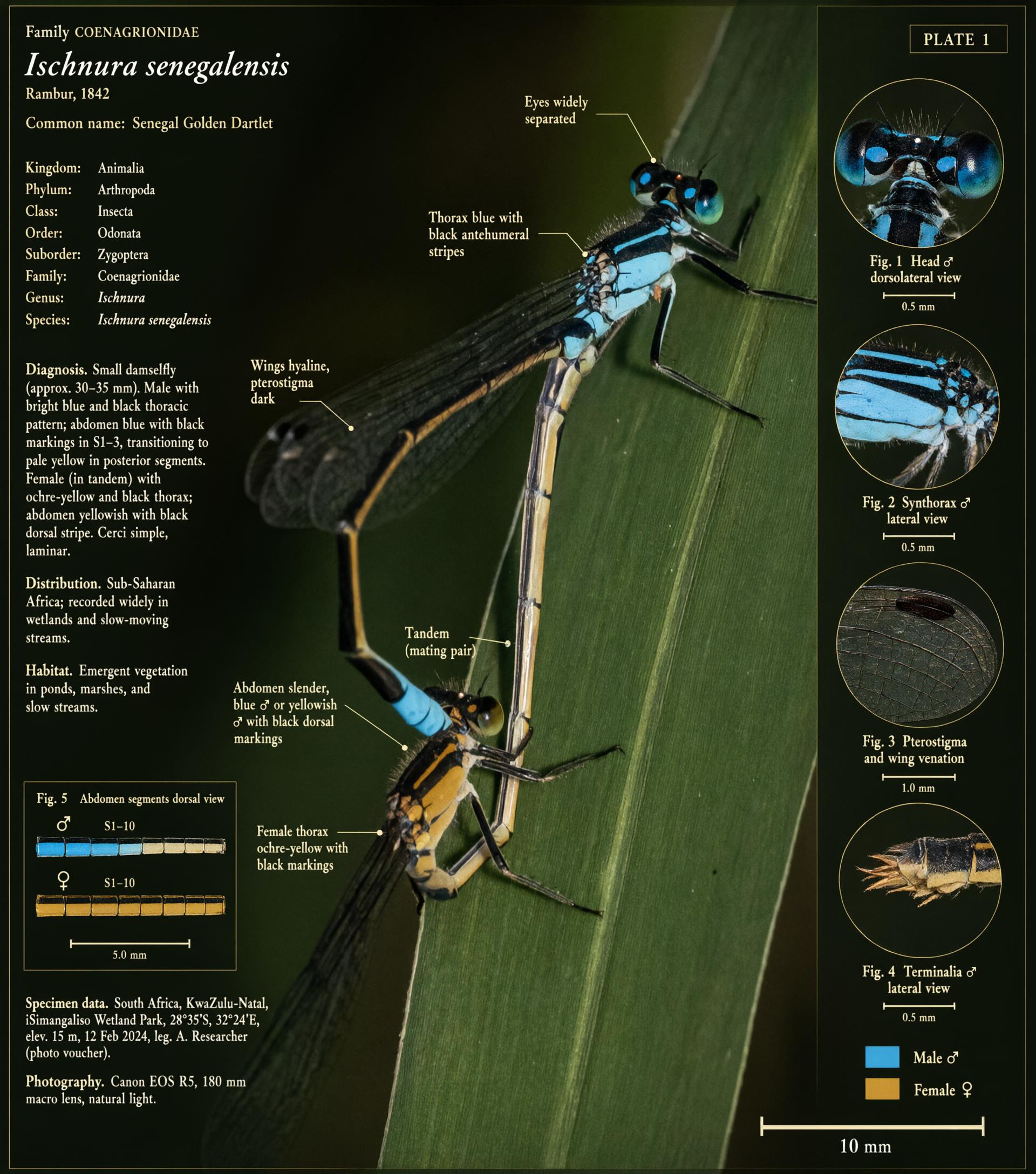
As one example, Alibaba shared a photo of an insect on a leaf. The model was able to generate relevant text based on its understanding of the image.
Target users and missing launch materials
Alibaba is pitching Qwen Image 3.0 to design studios, content teams, e-commerce operations, and educators that need production-ready visual assets in bulk.
Decrypt also pointed to a gap in the launch materials. In Alibaba’s own Qwen-Image-Bench evaluation, which compares image quality, aesthetics, and real-world fidelity across 18 models, the previous flagship Qwen Image 2.0 Pro ranked fifth. OpenAI’s GPT Image 2 placed first.
The new release may perform better, but Decrypt said there is no measured way to confirm that from the launch package because Qwen Image 3.0 arrived without a benchmark table, downloadable weights, or a technical report.
The contrast with the previous open release is notable. Qwen Image 1.0 launched with open weights under an Apache 2.0 license and came with a same-day technical report. This time, neither was included. Decrypt said that, as part of Alibaba’s recent AI push, the available evidence is limited to the hand-picked example images the company chose to publish.
API trials are open at chat.qwen.ai. Pricing has not been announced.