

On June 1, Binance officially launched trading for over 8,000 US stocks and ETFs to non-US users, supporting fractional shares starting at $5 and allowing purchases with USDC, USDT, and BNB. A critical yet easily overlooked detail is that Binance partnered with US-compliant broker Alpaca for asset custody, dividend distribution, and corporate actions—the same firm powering a surge of similar services from Bitget, Gate, Ondo, and xStocks.

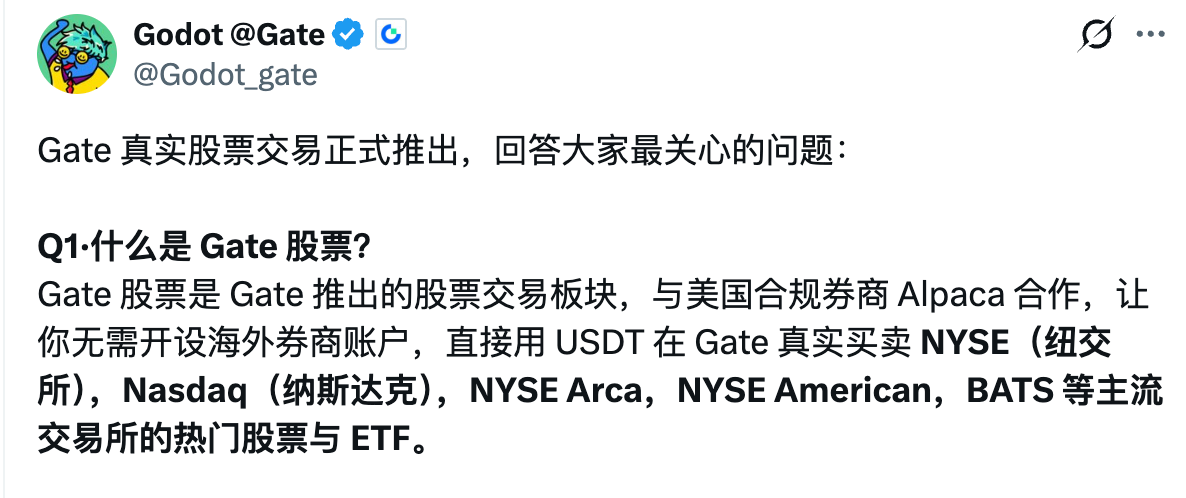
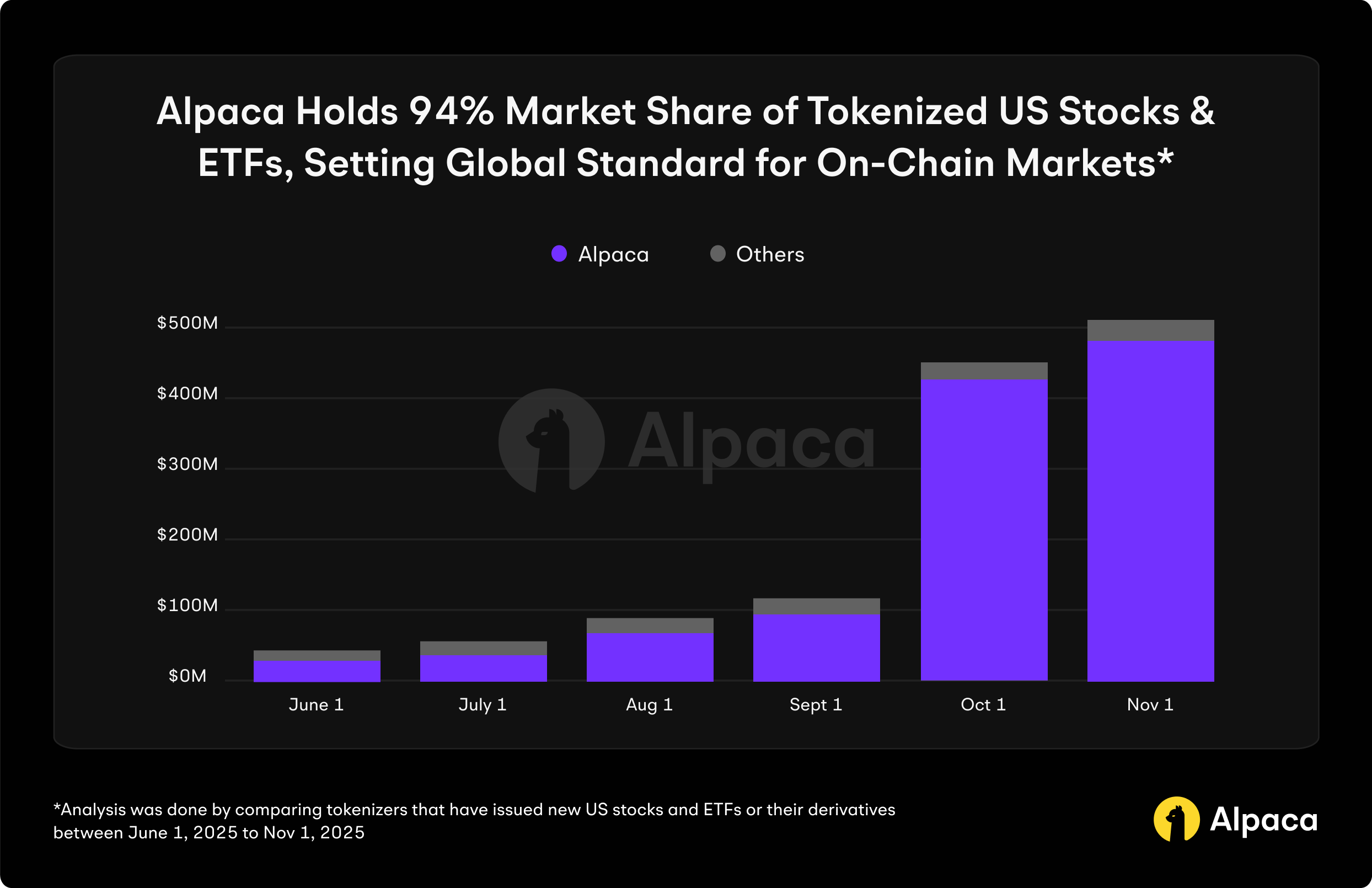
Just days before Binance's announcement, on May 28, Bitget unveiled its stock token platform Reality, issuing rTokens 1:1 backed by real stocks—also built on Alpaca's brokerage infrastructure. Gate followed on June 1, launching real stock trading with USDT and confirming Alpaca as its broker. On the DeFi side, both Ondo (the sector leader) and Kraken-backed xStocks had already partnered with Alpaca last year to tokenize US equities and ETFs. Across CeFi and DeFi, virtually every visible stock token service runs on Alpaca's rails, giving the company a staggering 94% share of the tokenized stock and ETF market, as disclosed in December last year.
From Quant API to 94% Dominance
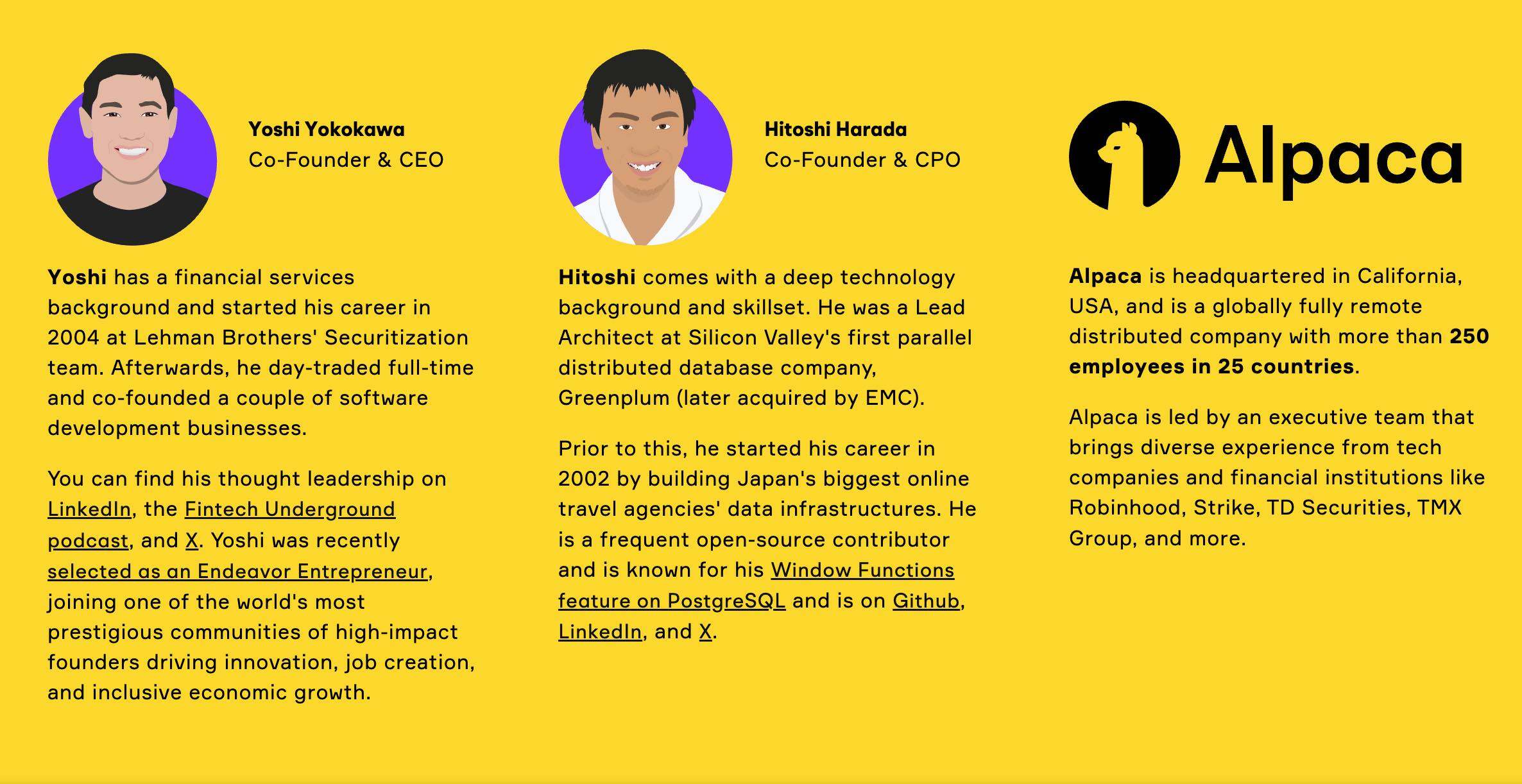
Alpaca was founded in 2015 in California by Yoshi Yokokawa, a former Lehman Brothers employee and serial entrepreneur now serving as CEO, and engineer Hitoshi Harada, now CPO. The company began as a fintech startup focused on financial databases and machine learning for large-scale market prediction, initially offering a trading API for quants. Over time, it evolved into a full-scale financial infrastructure provider, now supporting stocks, ETFs, options, and cryptocurrencies, along with market data, securities lending, high-yield cash accounts, and 24/5 US trading.

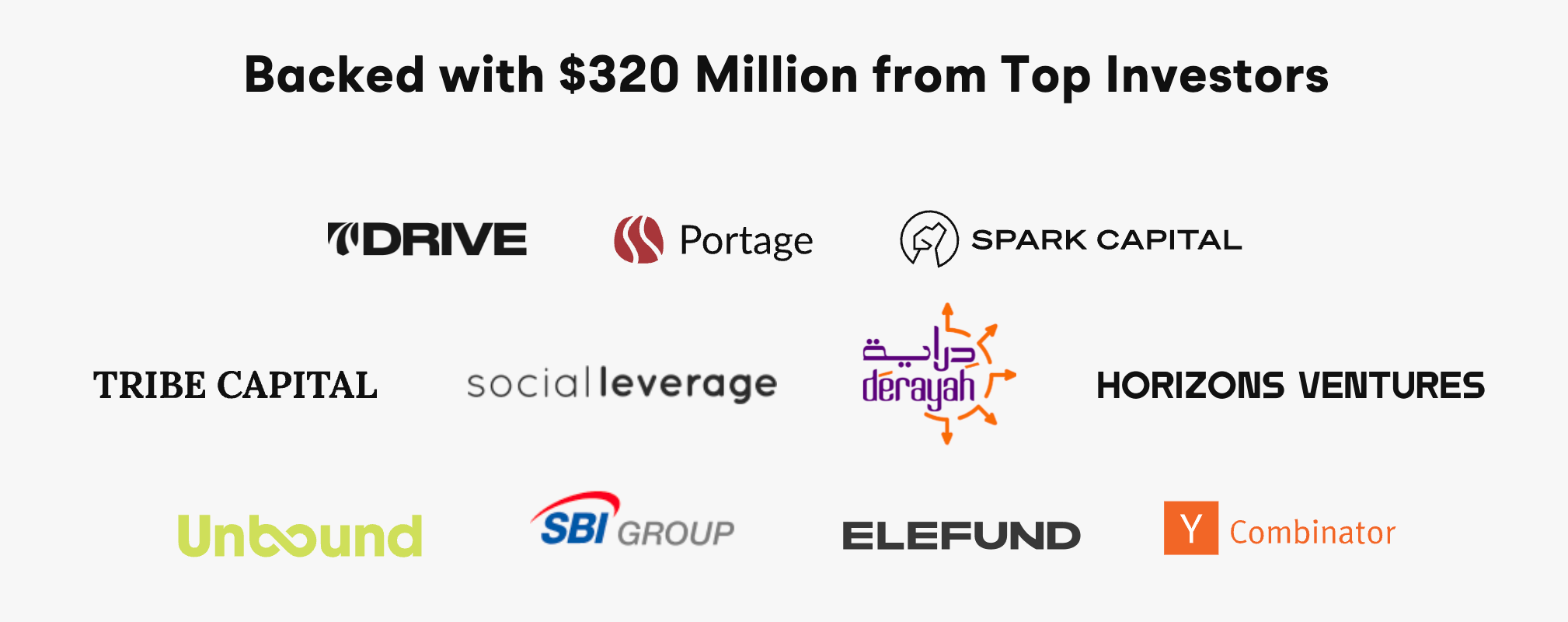
According to FundBet, Alpaca has raised over $320 million since 2019 from investors including Y Combinator, Spark Capital, Portage Ventures, Tribe Capital, and SBI Group. It currently serves hundreds of financial institutions and fintech companies across more than 40 countries, helping partners open over 7 million brokerage accounts. That 94% market share in tokenized US stocks and ETFs underscores its near-monopoly status in this emerging niche.

Brokerage-as-a-Service: An API Bridge Between Crypto and Securities
Unlike traditional brokers that serve end investors, Alpaca's core customers are developers and fintech platforms. Its Broker API lets partners rapidly build a complete securities trading suite—account opening, KYC, order execution, clearing, settlement, and market data—without the heavy regulatory and operational burden. Binance or Bitget can simply focus on user acquisition while Alpaca handles all backend connections to real-world securities markets. This “Brokerage-as-a-Service” model aligns perfectly with how crypto platforms want to embed stock trading into their existing systems.
Why do crypto institutions favor Alpaca over traditional giants like Charles Schwab or Interactive Brokers? The answer lies in its API-first philosophy and early embrace of digital assets. Alpaca proactively engaged with the crypto industry before stock tokenization became a trend, exploring intersections between securities and blockchain technology. This first-mover advantage and cultural fit gave Alpaca a head start that is now amplified by network effects.
Network Effects Build a Moat
As more CeFi and DeFi players plug into Alpaca, the company's network effects deepen. New entrants see Alpaca as the fastest route to market with a proven compliance path, fueling a reinforcing cycle: more platforms join → more accounts and trading volume → Alpaca improves its infrastructure → even more platforms follow. This virtuous cycle continues to widen its competitive moat.
Stock tokenization is now an unstoppable trend. While it's uncertain how many Binances or Ondos the future will bring, one thing is increasingly clear: as more platforms fight for the tokenized stock market, the company that sells the shovels to everyone—Alpaca—may be the race's biggest winner.