
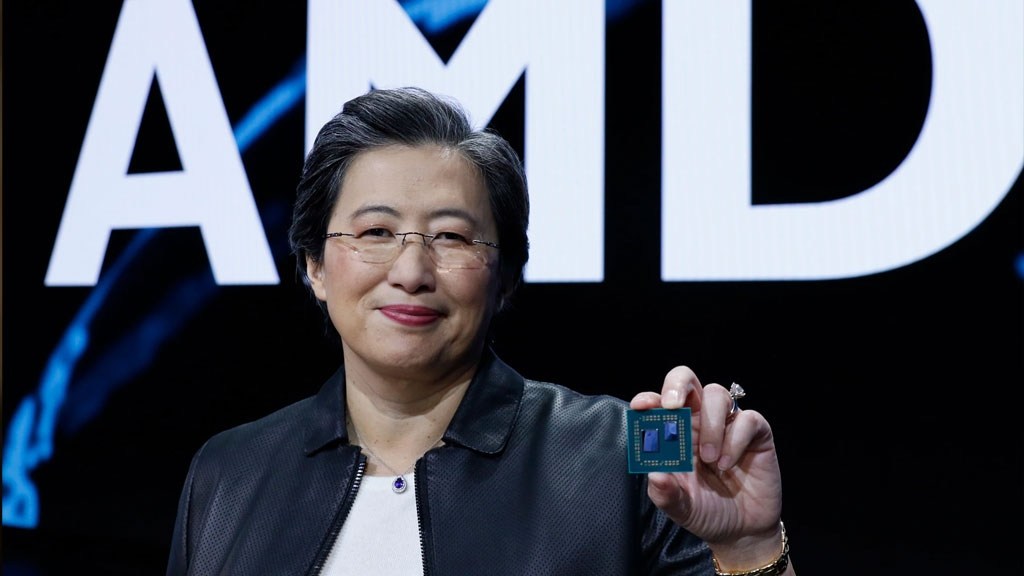
Advanced Micro Devices (AMD) reported second-quarter 2026 results that beat Wall Street expectations on both revenue and earnings, but the company’s forward guidance failed to clear the market’s highest bar. Shares fell about 9% in after-hours trading.
Q2 beats estimates, while Q3 guidance disappoints the most bullish expectations
AMD said second-quarter revenue reached $11.5 billion, up 50% from a year earlier and above the $11.3 billion expected by the market. Non-GAAP earnings per share came in at $1.66, also ahead of the $1.62 consensus estimate.
For the third quarter of 2026, AMD forecast revenue of $13 billion at the midpoint, with a range of plus or minus $300 million. That is $500 million above the average analyst estimate of $12.5 billion, but some Wall Street forecasts had been set materially higher than $13 billion. That gap between consensus and the market’s most optimistic expectations weighed on the stock in after-hours trading.
ABMedia said AMD shares had already gained more than 100% this year, raising the bar for the company’s growth outlook and leaving investors less tolerant of guidance that misses the top end of expectations.
Data center remains the main growth engine
The company’s data center segment generated $6.7 billion in revenue in the quarter, up more than 100% year over year and above the $6.6 billion expected by analysts. Revenue from PC and gaming-related operations rose 6% to $3.8 billion.
Those figures show that data center chips are now the key driver of AMD’s overall growth, even as the PC business remains the company’s largest market by unit volume.
Lisa Su points to 2027 growth path
On the earnings call, CEO Lisa Su said AMD expects data center revenue to achieve well over 100% growth in 2027. She also reiterated that AMD’s long-term targets will exceed its previously stated benchmarks of 35% annual revenue growth and $20 in earnings per share.
Management kept a positive view on long-term demand for AI compute products, even as investors pressed for more detail on near-term revenue momentum.
AI infrastructure spending expands, but supply chain risks remain
According to Bernstein analysts cited in the report, capital expenditures by large global data center operators are expected to surpass $1 trillion next year. AMD has established itself as the main alternative supplier to Nvidia in AI accelerators, while continuing to take CPU market share from Intel.
At the same time, the buildout of AI data centers has created pressure across the supply chain. The report said memory shortages could raise production costs for end devices such as PCs and smartphones, adding strain to the traditional PC market.
The article was first published by ABMedia.