
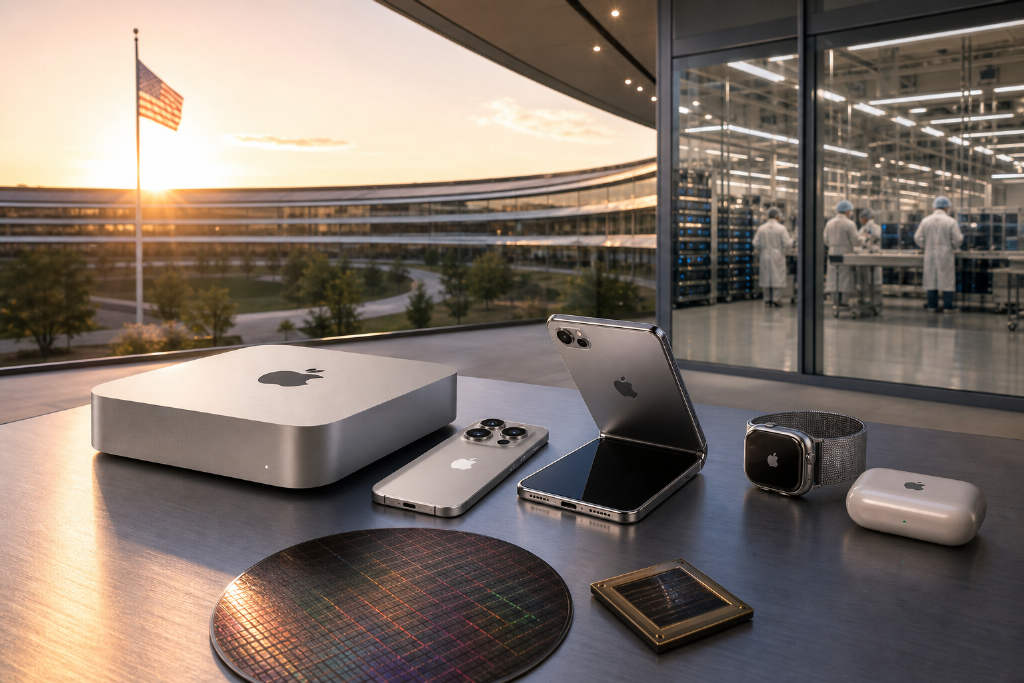
Apple’s fall 2026 product cycle is coming into view before the main keynote begins. On Aug. 25 in the U.S., the company unveiled a new Mac mini with M6 and M5 Pro chips, putting performance gains — especially AI compute — at the center of the update.
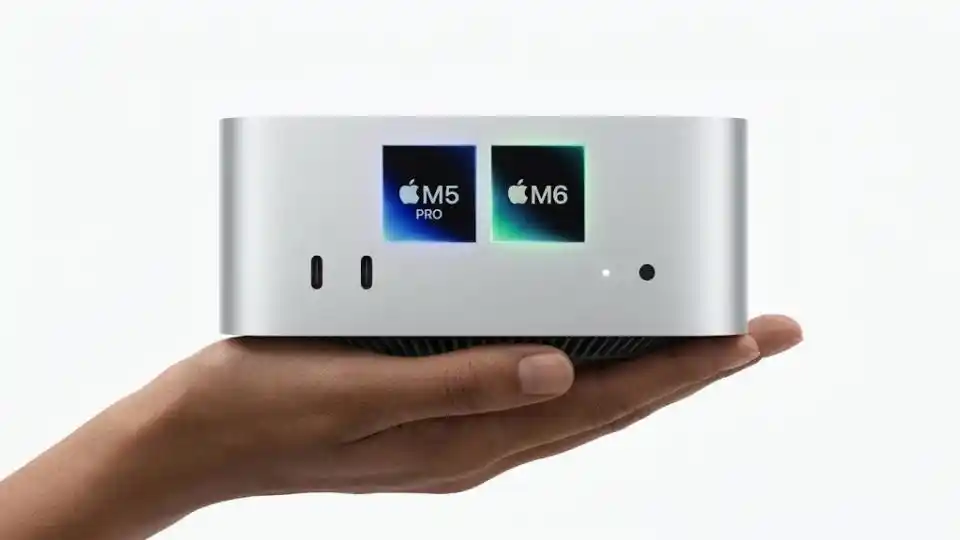
Apple said the Mac mini with M6 offers up to 4x better AI performance, up to 2x improvements in graphics performance and storage speed, and a 40% increase in CPU performance. The M5 Pro version is positioned more directly at professional users and enterprise AI workflows.
The refresh sharpens Apple’s push into on-device AI. As chip compute keeps rising, Macs are taking on more demanding local workloads, including large models and AI agents. AI processing is now one of the clearest threads running through Apple’s hardware upgrades, and that thread is expected to continue into the company’s September launch event.
According to veteran Apple analyst Mark Gurman on Aug. 25, Apple may hold its fall product event on Sept. 9. Expected products include the iPhone 18 Pro series, Apple’s first foldable iPhone, Apple Watch models and AirPods.
This year also comes with a management transition. Tim Cook is set to hand the CEO role to hardware engineering chief John Ternus on Sept. 1, making the September launch Apple’s first major product event under a new management cycle.
Apple is also reworking the release timing of the iPhone lineup. The iPhone 18 Pro, iPhone 18 Pro Max and the foldable iPhone are still expected to appear at the September event, but the standard iPhone 18, iPhone Air 2 and iPhone 18e may slip to early 2027.
Outside the hardware lineup itself, Apple is filling in the infrastructure behind the AI era, including AI server deployment and a U.S.-based chip supply chain. The foldable iPhone would open a new device form factor, while A20 Pro and Apple Intelligence would keep reinforcing on-device AI. Server buildout and chip sourcing, in turn, will shape how far Apple can extend those AI capabilities into infrastructure.
Apple is reshuffling the iPhone release playbook
For years, Apple kept a fairly stable iPhone rhythm: launch the full lineup each fall, then use the standard and Pro tiers to create pricing separation.
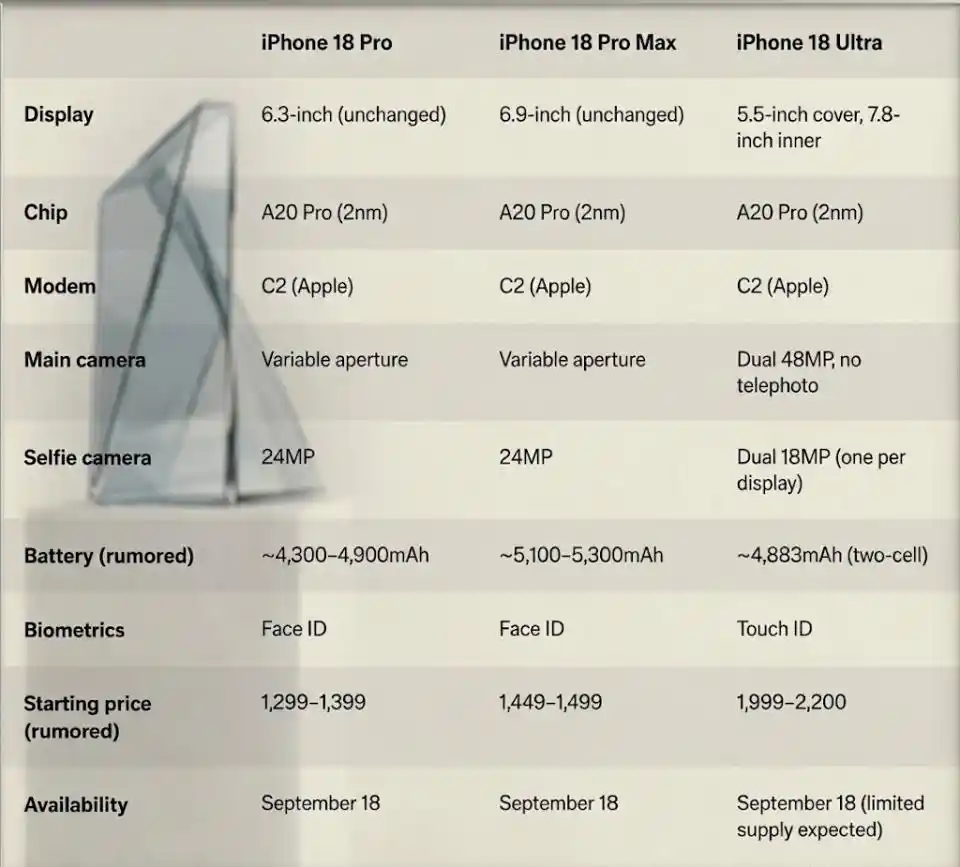
That approach appears to be changing. Digital Trends reported that Apple may release only three high-end iPhone models this September.
If that happens, the gap in timing between premium models and standard models would widen, with more resources directed toward the Pro line and higher-end products. Over time, the iPhone family could take on a more layered structure closer to the Mac lineup, with each model serving a more distinct market role.
That shift comes as iPhone growth enters a new phase. The old upgrade engine — bigger gains in displays, chips and cameras — is losing some force. Apple now needs premium products to protect margins while also making room for AI-driven hardware upgrades. In that sense, the iPhone 18 Pro series is being framed as more than a routine refresh.
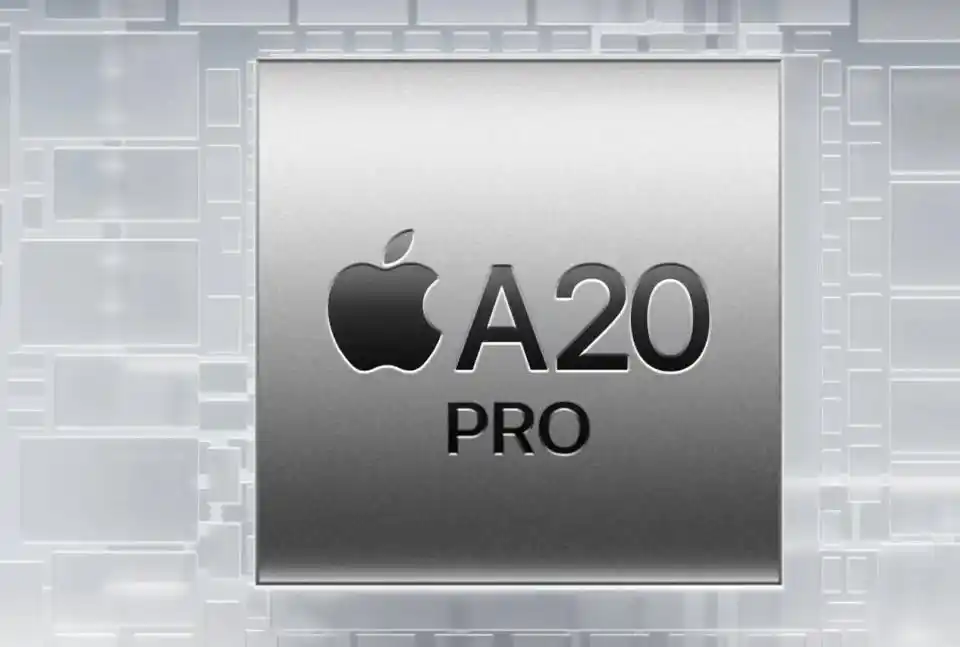
Reports from outlets including AppleInsider say the iPhone 18 Pro models are not expected to get a major exterior redesign. The main updates are still likely to focus on chips, cameras and AI capabilities. Both models are expected to use the 2nm-based A20 Pro chip and Apple’s in-house C2 modem.
Supply-chain sources and analysts cited in the report describe A20 Pro as the core upgrade in this cycle. Apple is said to be adopting a new wafer-level multi-chip module, or WMCM, packaging method that places the CPU, GPU, Neural Engine and memory closer together in order to improve performance and AI efficiency.
The camera system may also change. The new phones are expected to add variable aperture on the main camera. Rather than simply increasing pixel counts, that would move the camera closer to the control logic found in dedicated cameras, giving users more flexibility over light intake and depth of field.
Pricing could be the biggest swing factor for this year’s iPhone cycle. Reports from The Wall Street Journal and others say Apple has already raised prices across several product lines this year: MacBook Air by $200, Mac Studio by $500 and iPad Air by $150. iPhone prices have not moved yet, but the next-generation iPhone may be next in line.
Gurman said Apple is still discussing final pricing. Scenarios circulating externally include an iPhone 18 Pro starting price of about $1,199, with higher possibilities in the $1,299 to $1,399 range.
For Apple, higher prices would reflect both cost changes and its longer-running strategy of leaning further into the premium market. In recent years, the company has continued to widen the gap between Pro models and standard versions, pushing buyers to pay up for stronger chips, better imaging and longer product life. As one group of analysts put it: 「After the AI era begins, that gap could widen further.」
The next phase of iPhone competition may move beyond traditional hardware specs and spread into AI capability and ecosystem experience. Whether a device becomes a key everyday entry point for AI services could shape the next round of competition in smartphones. That is also a central reason behind Apple’s timing shift: premium iPhones are being asked to carry more of the technical experimentation while leaving room for a broader AI ecosystem later on.
A foldable iPhone could make its debut
The most closely watched new category in Apple’s lineup is the foldable iPhone that could mark the company’s first entry into the segment. Market expectations widely point to the name iPhone Ultra.
Digital Trends said the device uses a book-style fold. Unfolded, it is meant to deliver a small-tablet experience similar to an iPad mini; folded, it remains a phone. The larger point is not just the size but Apple’s attempt to cover both phone and tablet use cases with one product.
The Information reported that people who have used the foldable iPhone described its size, hinge feel and durability positively, and also responded well to the iPad-like app layouts made possible by the larger inner screen. Gurman said early testers were positive on the device overall.
Apple’s work on foldables appears to be centered less on the form factor itself and more on how people interact with the device when folded and unfolded. The hinge is a focal point. Apple is said to be using liquid metal and ultra-thin glass approaches to improve hinge performance and reduce crease issues.
Still, the first-generation foldable is not without trade-offs. The most disputed point is the camera setup. A MacRumors roundup said the foldable iPhone may include only two rear cameras and no telephoto lens. That stands out more on a flagship device that may cost more than $2,000.
The Information said that could weigh on sales because the people willing to pay a premium for a foldable form factor overlap heavily with buyers who care about flagship photography and telephoto performance.
Face ID is another reported compromise. Gurman said the foldable iPhone is expected to use Touch ID instead of Face ID because of constraints tied to the folding structure and internal space. For Apple users, that would be a notable change, and it shows the company is making trade-offs in the first generation.
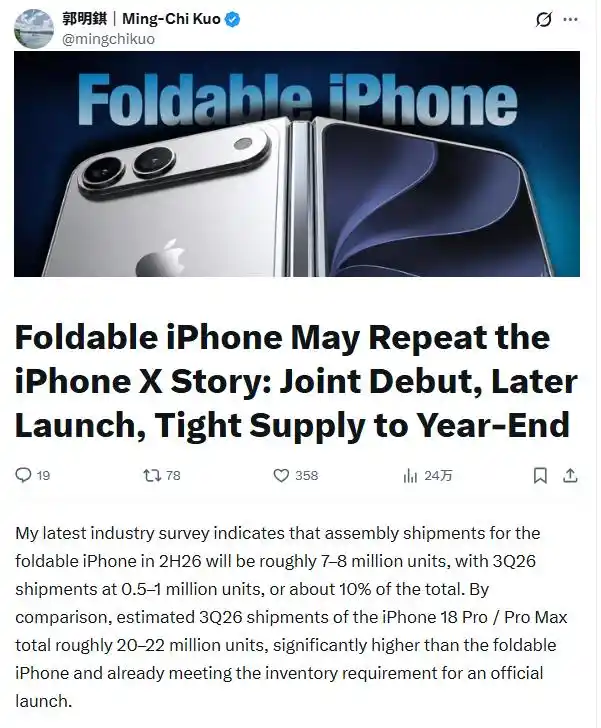
Price is another high barrier. MacRumors said current market talk places the foldable iPhone in a roughly $2,000 to $2,500 range. TF International Securities analyst Ming-Chi Kuo said demand could stay strong at least through the end of 2026 even if the final price lands at $2,300 to $2,500.
Kuo also said Apple’s first foldable iPhone may repeat the supply pattern seen with the iPhone X in 2017. Based on his supply-chain checks, assembly shipments for the foldable iPhone in the second half of this year are around 7 million to 8 million units, with only 500,000 to 1 million units in the third quarter. Over the same period, the iPhone 18 Pro and Pro Max are expected to reach 20 million to 22 million units.
That suggests Apple could unveil the foldable iPhone in September without having it ready for immediate large-scale sales.
If production is not fully prepared, the foldable iPhone may follow the iPhone X pattern, with a noticeable gap between announcement, preorders and open sales. Tight supply could magnify initial demand. Kuo expects preorders to sell out quickly, with wait times of four to six weeks or longer, potentially lasting into December.
A clearer judgment on the product’s success may have to wait until late 2026 to the first quarter of 2027. By then, the launch effect and supply constraints would have eased enough to show whether buyers are paying for 「the first foldable iPhone」 or accepting the category over the longer run.
Apple Watch, AirPods and Macs are also in the pipeline
The September event is not expected to revolve around iPhone alone.
According to foreign media reports cited in the source, Apple is preparing updates across a broader set of products, including Apple Watch, AirPods and parts of the Mac lineup. Those devices may not carry the same strategic weight as iPhone, but together they form a large part of Apple’s hardware ecosystem.
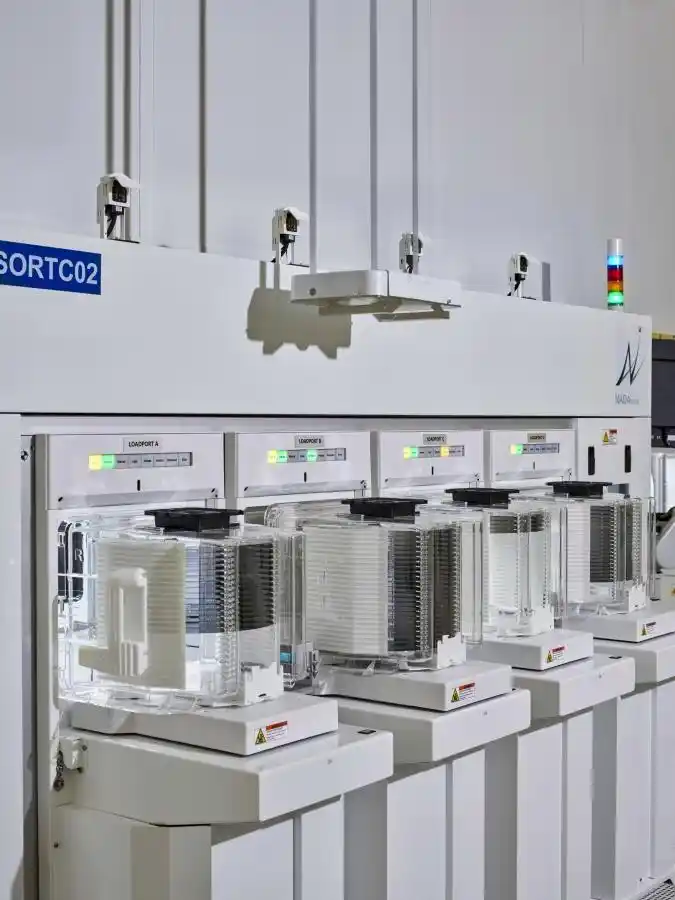
Before the event, Apple already refreshed the Mac mini. The new version with M6 and M5 Pro chips puts AI compute front and center and signals what may come next for other Macs.
Apple Watch is expected to be one of the key September products. Roundups from outlets including 9to5Mac say Apple may launch Apple Watch Series 12 and a new-generation Apple Watch Ultra. The new watches are expected to keep building on health monitoring while improving battery life, performance and connectivity.
In recent years, Apple Watch has moved beyond being just a smartwatch and become an entry point for health-related functions. As AI capability spreads through Apple’s ecosystem, the watch may also take on more data collection and personal health assistant tasks.
AirPods may be updated as well. MacRumors, citing people familiar with the matter, said Apple is expected to release AirPods 5 in September, extending its entry-level and mid-range earbud lineup.
At the same time, Apple is developing camera-equipped AirPods, though that product is not expected to arrive this year. It may be intended for more complex AI interactions by gathering environmental information around the user and giving Siri more context.
Apple may also continue updating the iPad and Mac lines this fall. MacRumors reported that an OLED iPad mini is expected in October, marking the biggest display upgrade in that product line in years. New iMac and MacBook Pro models may also arrive this fall with next-generation M-series chips.
Apple is also pushing ahead with smart glasses and a pendant-style device with a camera. The latter would feed visual data into an iPhone for AI processing.
Across this update cycle, AI is moving from a single function inside the phone into a wider range of Apple devices and use cases. That is why this year’s chip discussion is not limited to benchmarks. It also centers on on-device AI compute and the ability to run local models and AI agents.
The A20 Pro is expected to stress AI efficiency. Macs continue to push the M-series platform. Camera-equipped AirPods, smart glasses and smart home devices would all require tighter AI coordination across devices. As the number of hardware entry points grows, the next key question is whether Siri and Apple Intelligence can serve as the common AI layer that ties them together.
AI servers and a U.S. supply chain push are moving in parallel
Outside the product launches, the chips and supply chain supporting this cycle are another major part of Apple’s story this year.
During its PC chip transition, Apple used its in-house silicon strategy to reduce dependence on Intel processors and to build a tighter hardware-software model. In the AI era, chips matter even more. Apple Intelligence on iPhone, along with local large models and AI apps on the Mac, all demand more from the CPU, GPU and Neural Engine.
That is why lifting on-device compute has become a key driver of Apple Silicon. From A-series chips in iPhones to M-series chips in Macs and eventually more powerful on-device AI hardware, Apple is building a compute system that spans phones, computers and other smart devices.
But AI competition does not stop at end devices. As model capabilities improve, Apple also needs stronger back-end compute and manufacturing support.
Recent field reporting by The Wall Street Journal examined Apple’s U.S. supply chain. The report said a Foxconn factory in Houston, Texas, now has an AI server assembly line for Apple that can assemble about 10 servers per hour.
The line is not large, but it indicates that Apple’s AI infrastructure effort has moved beyond chip design into server manufacturing. The Houston site handles final assembly, testing and pack-out — FATP, or Final Assembly, Test and Pack. Workers install chips and other components on the line and test the servers there.
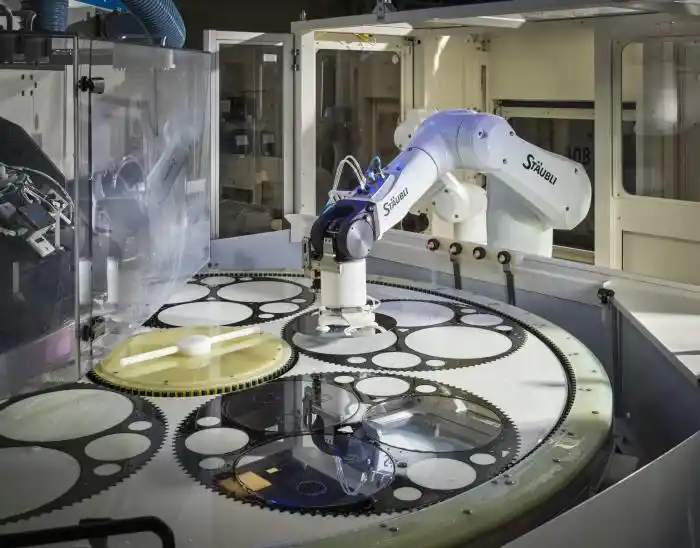
At the same time, Apple is also promoting a domestic U.S. semiconductor supply chain. GlobalWafers America in Sherman, Texas, processes silicon raw materials into 12-inch wafers and sends them to Taiwan Semiconductor Manufacturing Co. facilities for chip production.

TSMC’s Arizona factory has already started producing Apple’s A16 chips, and Nvidia’s Blackwell AI chips are also being produced there.
More advanced manufacturing processes, however, are still concentrated mainly in Taiwan. According to the report, the advanced process used for the A19 chip in the iPhone 17 is currently available only there. Apple’s U.S. manufacturing strategy is therefore to begin with supply-chain steps that can already be completed in the United States and expand from that base over time.
TSMC’s Arizona investment has reached about $165 billion and includes plans for multiple wafer fabs and advanced packaging facilities.
The localization push also lines up with the background of Apple’s incoming CEO. John Ternus, who is set to succeed Cook, comes from hardware engineering and has led multiple generations of Macs and chip design. Cook will hand over the CEO role on Sept. 1 but will remain at Apple as executive chairman.
Ternus will take over at a time when Apple is dealing with a more complicated picture in its next growth phase. The iPhone is still the company’s most important business, but chips, compute, servers and supply chain execution are becoming more directly tied to product competitiveness.
Apple’s next big test is whether it can bring chips, devices, servers and manufacturing into a stable AI system and turn that into product advantage. Measured against that task, the sales performance of a single foldable iPhone may not be the only thing that matters.
The source article credits Tencent Technology, with Li Hailun as author and Xu Qingyang as editor. Special translator Jin Lu also contributed.