
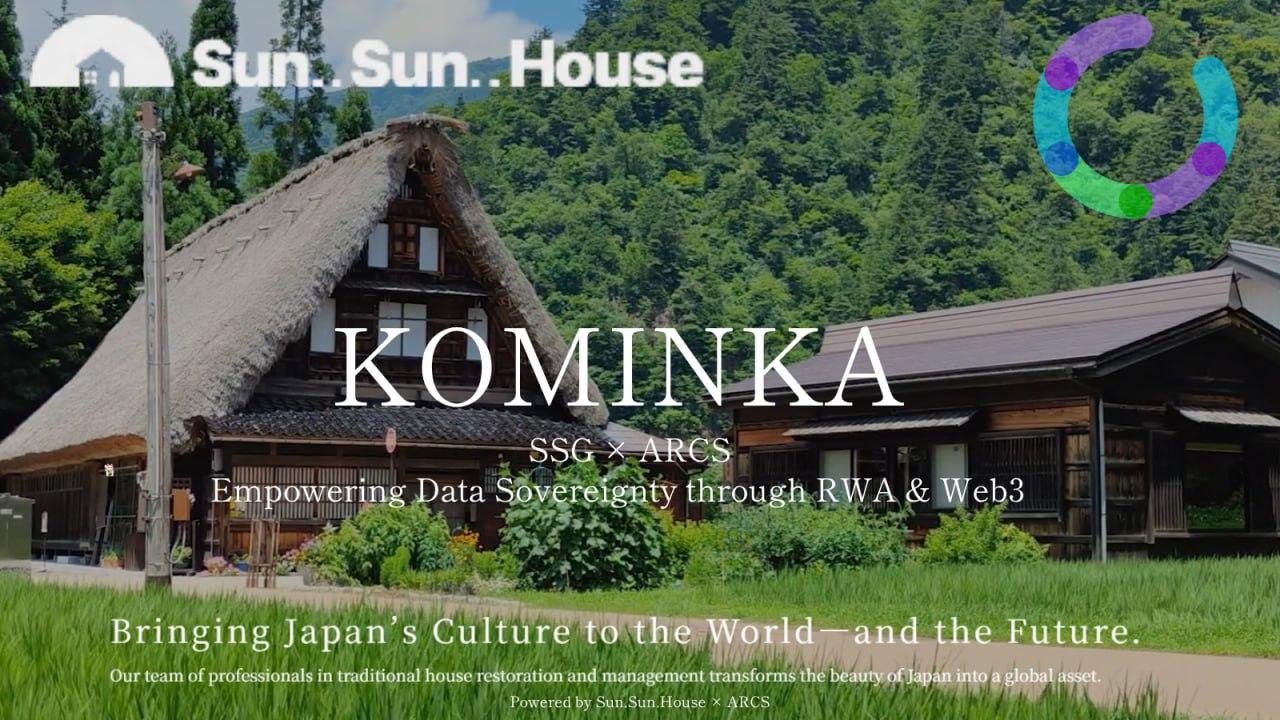
ARCS (ARX) has entered its ARCS 2.0 phase, moving away from a narrative centered mainly on data sovereignty and toward real-world asset utility tied to verifiable economic activity. The project, launched in 2019, originally focused on giving users control over personal data and a way to capture economic value from it. Its updated strategy puts the token into physical-use cases designed to connect blockchain infrastructure with everyday transactions.
From a data bank model to repeat-use economic activity
In its first phase, ARCS introduced a “data bank” structure that rewarded users with ARX for anonymous data contributions. According to the project, that model ran into several constraints: a cold-start problem that required both user and enterprise adoption at the same time, a limited set of real-world use cases, and regulatory uncertainty. ARCS 2.0 is framed as a response to those issues, with the token now tied to activity that can be measured and verified inside an operating ecosystem.
Tokyo partnership links blockchain payments with traditional kominka homes
The centerpiece of that shift is a partnership announced for July 2025 with Tokyo-based SSG Holdings Co., Ltd. and its subsidiary Sun Sun House Co., Ltd. The plan is to connect traditional Japanese kominka homes with blockchain-based utility. Under the arrangement described by the project, ARCS tokens would be used for property transactions, rentals, and loyalty rewards, with ARX positioned as the exclusive settlement currency inside this kominka-focused ecosystem.
Sun Sun House is tasked with sourcing, restoring, selling, and renting these pre-war wooden homes. Investors would use ARX to purchase properties, while homes not in use could be converted into vacation rentals. The project also places the initiative alongside Japan’s vacant-home revitalization efforts, citing alignment with the Ministry of Land, Infrastructure, Transport and Tourism and support from the Japan Kominka Association.
Payments, rewards, staking, and consent-based travel data
ARCS 2.0 gives ARX several functions inside the system. Guests booking kominka vacation homes through SSG-related properties can pay with ARX to receive discounts, while hosts are paid directly in the token and can reuse it in ecosystem services or staking. Token issuance is tied to measurable participation, including completed stays, local experiences, and voluntary anonymous data contributions made during travel. The project says minting is triggered only by on-chain and on-property activity that can be verified.
Membership rights backed by real estate are also tied to ARX rewards. Token holders can stake ARX for tiered benefits such as priority access to new listings, stronger discounts, and the prospect of future governance participation. Travel-related user data, when shared with consent, feeds into the ARCS data bank. Partners then access anonymized intelligence using ARX, and contributors receive additional token rewards.
Supply control, exchange listings, and community rebuilding
ARCS says minting authority remains with the team, but new supply is intended to enter circulation only through ecosystem activity such as lodging, memberships, and data interactions rather than detached token distribution. The model is described as a dual flywheel: hospitality usage drives ARX spending and rewards, while user activity adds to the data bank and opens more value inside the system.
On governance, ARCS 2.0 outlines a phased DAO approach that would let token holders join project decision-making over time. On liquidity, ARX is listed on BitMart and ProBit, with additional large platforms said to be in preparation. The project also says it relaunched its official X account and started a 2,500 USDT airdrop and a 2,000 USDT bounty campaign to rebuild community participation and widen ecosystem reach.
In market terms, the material states that ARX has trended upward since June 2025. The broader ARCS 2.0 plan keeps data sovereignty as a core theme, but its main emphasis now sits on RWA, hospitality spending, membership utility, and data-linked incentives that place the token inside recurring real-world transactions.