

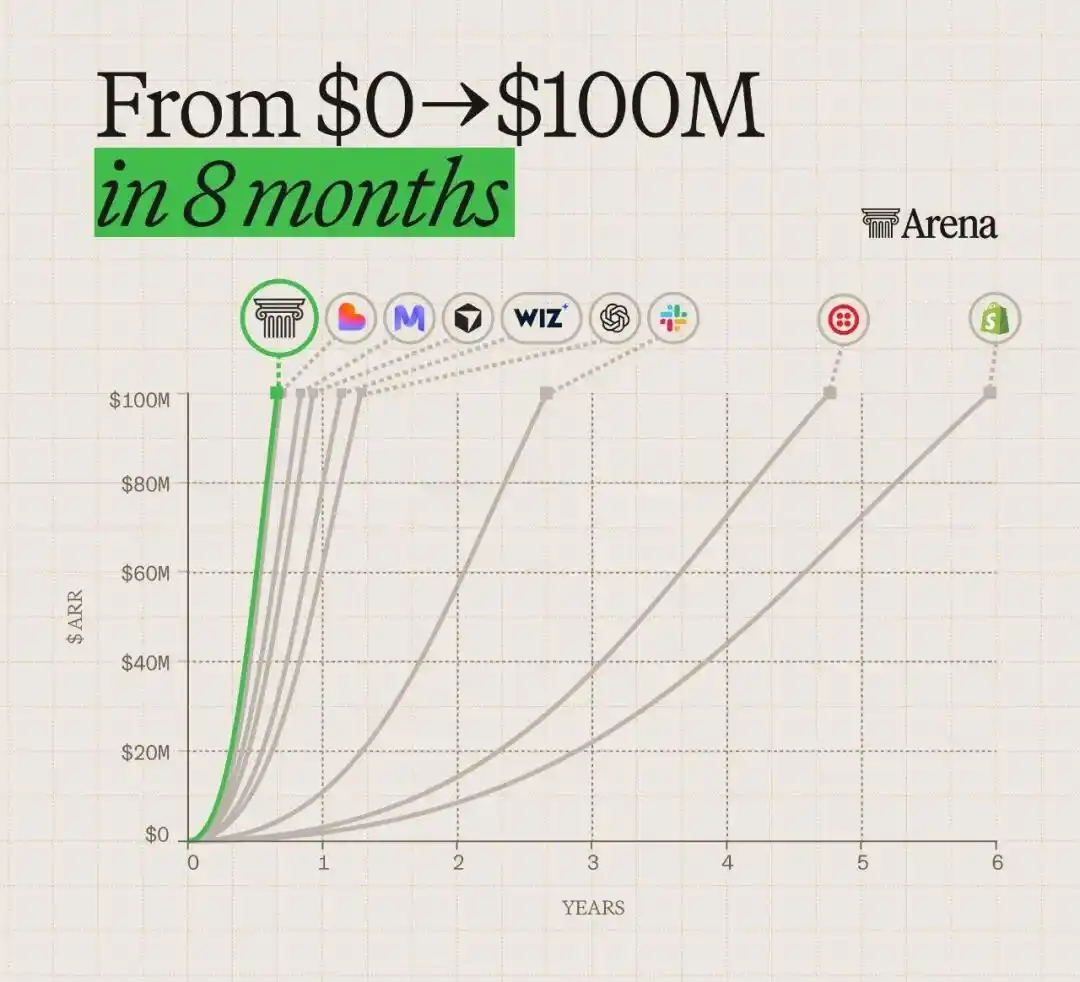
Arena, the AI model evaluation platform that grew out of UC Berkeley’s open-source Chatbot Arena project, has become a key third-party venue for testing frontier models. According to the report, the company’s commercial service reached $100 million in annualized revenue just eight months after launch, highlighting how quickly demand is building for neutral model assessment in the generative AI market.
A blind-testing leaderboard became Arena’s strategic moat
Arena is best known for its public leaderboard built from real-user blind comparisons. In the product’s core workflow, a user submits a prompt, the system anonymously serves answers from two different models, and the user selects the better response. Those decisions are then aggregated into Elo-style rankings that reflect model performance in practical, live interaction settings rather than only in laboratory benchmarks.
The report says Arena has accumulated more than 10 million user evaluations, 700 million conversations, and 82 million votes. It also draws more than 10 million monthly visitors from over 150 countries. One of the platform’s more important claims is that roughly 80% of daily prompts are new, meaning model providers cannot simply optimize around a known public test set. That feature has helped Arena position itself as a higher-signal benchmark for real-world usage.
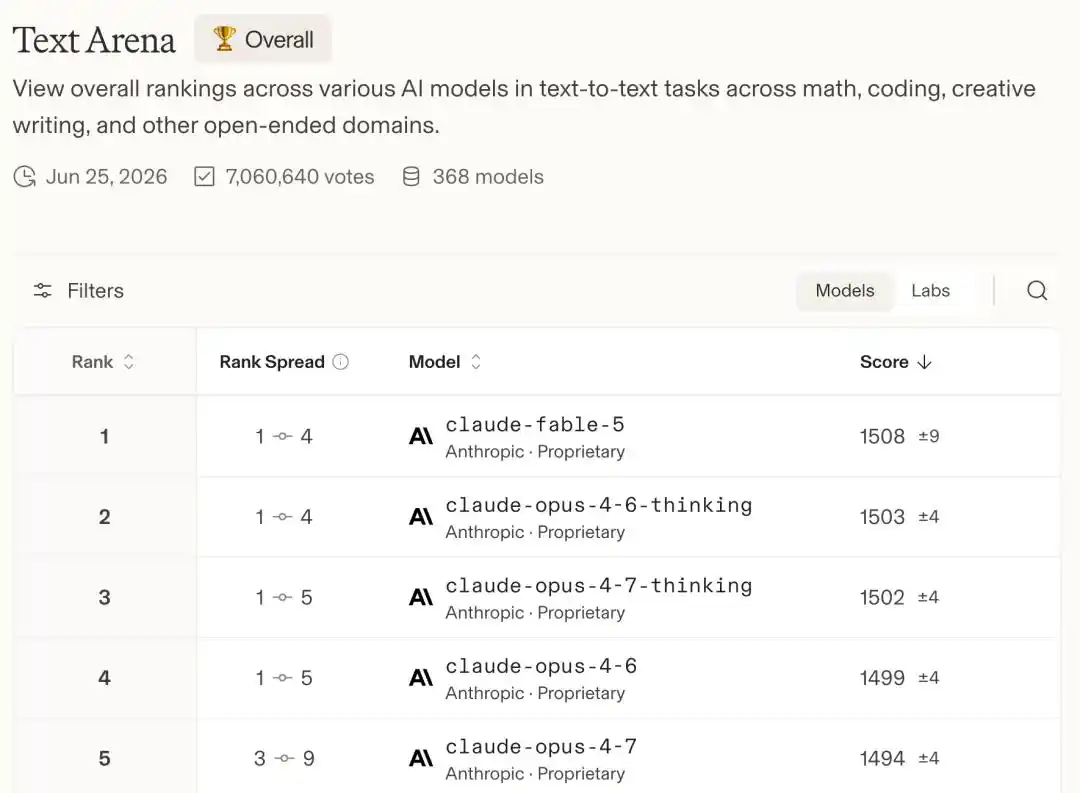
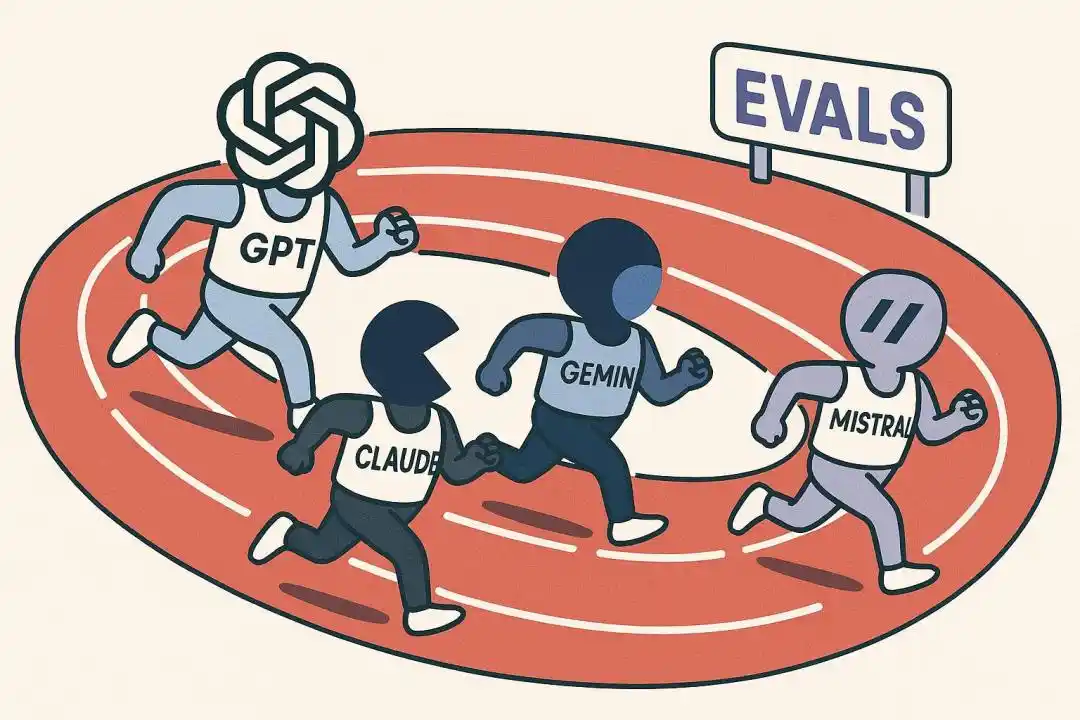
Its influence now extends across the top tier of the AI industry. OpenAI, Google, Anthropic, and Meta have all placed flagship models on Arena for community testing. The article also notes that OpenAI reportedly tested GPT-5 on the platform under the codename “summit” before its official release. In effect, a project that began in academia has become a checkpoint many leading AI labs are willing to use before or around model launches.
From a free ranking site to a paid evaluation business
Arena’s revenue engine comes from AI Evaluations, a commercial service launched in September 2025. Through that offering, model developers and large enterprises pay for deeper performance analysis based on Arena’s large-scale user interaction base. The goal is to surface insights that are difficult to obtain from conventional benchmark suites alone, including where a model performs well in practice, where it breaks down, and where hallucinations create reliability issues.

The report characterizes this as a “real-world CI/CD system” for model releases. Arena can evaluate publicly released models at the community level, but companies that want granular feedback for deployment, tuning, and iteration must pay for the service. That positioning gives the company a “picks-and-shovels” role inside the broader AI race: rather than competing to build foundation models, it sells the infrastructure needed to measure and improve them after release.
As frontier model developers continue to push for marginal gains in quality, safety, and usability, neutral post-training and post-deployment evaluation is becoming a necessary part of the workflow. Arena appears to have inserted itself into that layer of the stack at a time when demand is accelerating across both AI labs and enterprises.
Rapid spinout, fundraising, and valuation growth
Arena traces its roots to Berkeley’s LMSYS research group. According to the article, the project formally spun out of the university in spring 2025 and quickly raised $100 million in seed funding at a $600 million valuation. Just four months after launching its commercial product, annualized revenue had already climbed to $30 million.
The company then went on to complete a $150 million Series A in January 2025, led by Felicis and UC Investments, at a $1.7 billion post-money valuation. The speed of that progression—from open-source academic experiment to venture-backed infrastructure company—shows how investors are increasingly willing to assign premium valuations to AI tooling that sits close to model performance and deployment decisions.

Founding team combines research depth and industry credibility
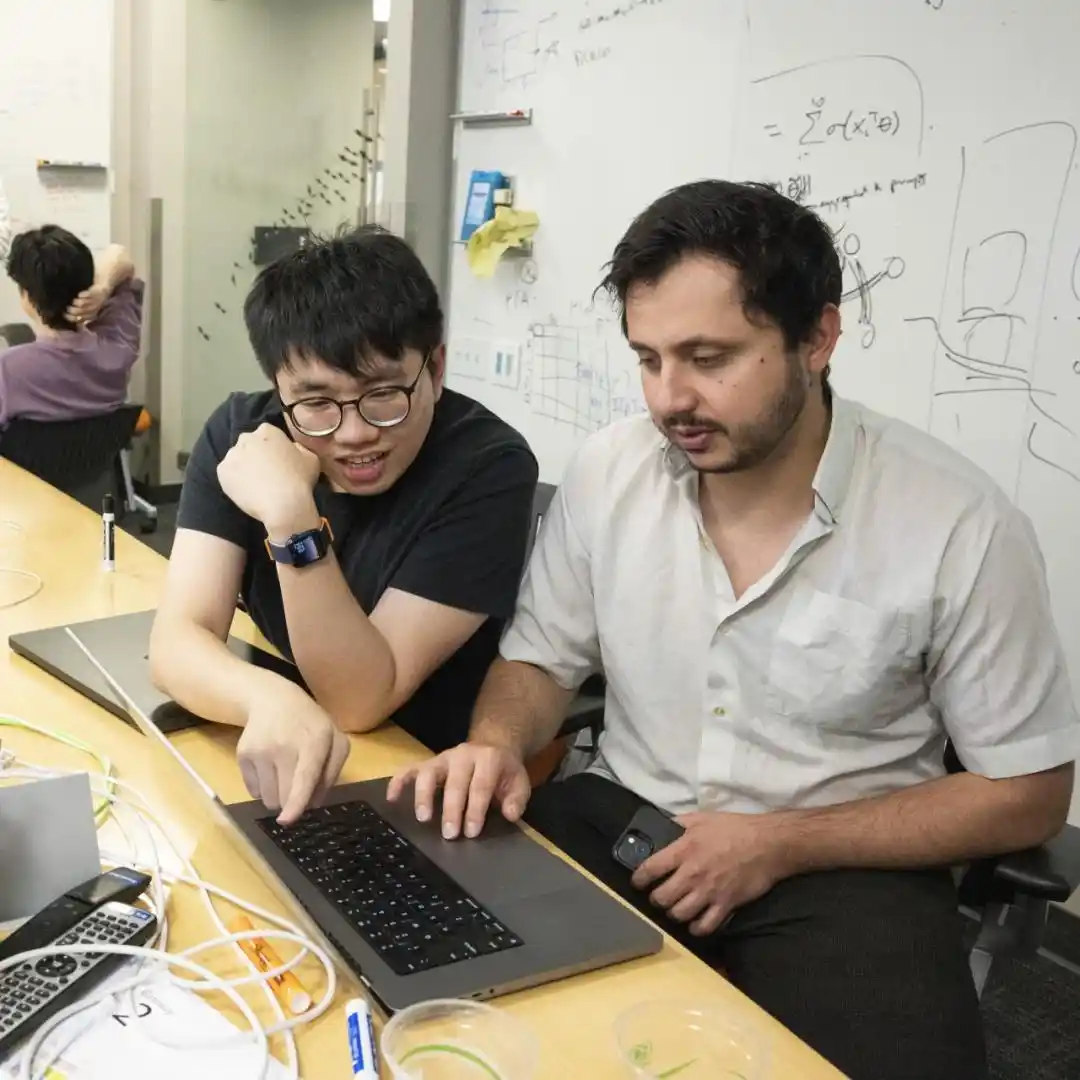
The company is led by CEO Anastasios Angelopoulos, whose background spans mathematics, engineering, and machine learning evaluation. The article describes his research focus as developing mathematically rigorous ways to assess black-box models. CTO Wei-Lin Chiang is also a recognized figure in the open-source AI community and is known for building Vicuna, one of the most prominent open chatbot projects of the early generative AI cycle. He has also worked at Google, Amazon, and Microsoft.
The third co-founder is Ion Stoica, the UC Berkeley professor and Databricks co-founder. The report says Stoica served as an advisor to the project before it was incorporated in April 2025. Together, the founding group gives Arena a combination of academic credibility, open-source reach, and enterprise-level industry connections.
Arena is expanding from chatbot ranking to agent evaluation
The platform’s next phase is reflected in its newly launched Agent Mode. Instead of only comparing which chatbot gives a better answer, Arena is now evaluating how models perform on more complex agentic work such as coding, debugging, research, and document analysis. These tasks often require long interaction chains, repeated tool calls, and successful execution over many steps rather than a single-turn response.
To support that shift, Arena is moving beyond human preference voting alone and incorporating more objective metrics such as task completion rate and hallucination rate. That matters because AI products are increasingly being judged not on conversational fluency, but on whether they can reliably finish real work. If the market continues to move from chatbots toward agents, evaluation infrastructure may become even more central—and more expensive—across the AI stack.

In that sense, Arena’s current revenue scale and valuation are not just a reflection of a popular leaderboard. They are also a bet that independent measurement, verification, and model accountability will become core infrastructure as AI systems take on longer, higher-stakes tasks.