
Artemis co-founder Jon Ma has called on Robinhood to avoid building its blockchain business around memecoins and to put more attention on real-world assets and tokenized stocks instead. In a public statement, Ma named Robinhood founder Vlad Tenev and said he has been involved in Robinhood’s IPO financing since 2019. He said he does not want Robinhood to repeat the experience of Coinbase’s Base chain, which he described as having risen on memecoins and later stumbled because of them.
Ma says Robinhood should refocus on RWA and tokenized equities
Ma, whose company Artemis provides blockchain data analytics, said in his public letter that Robinhood Chain has produced strong numbers in a short period of time. Even so, he argued that on-chain trading is now overly concentrated in memecoins that lack real value.
He urged Robinhood to direct its attention back to RWA and tokenized stocks, saying that path would do more to preserve trust in the brand and support long-term revenue growth. The letter was addressed to Tenev and to Robinhood executive Johann.
Wallet experience and memecoin airdrops
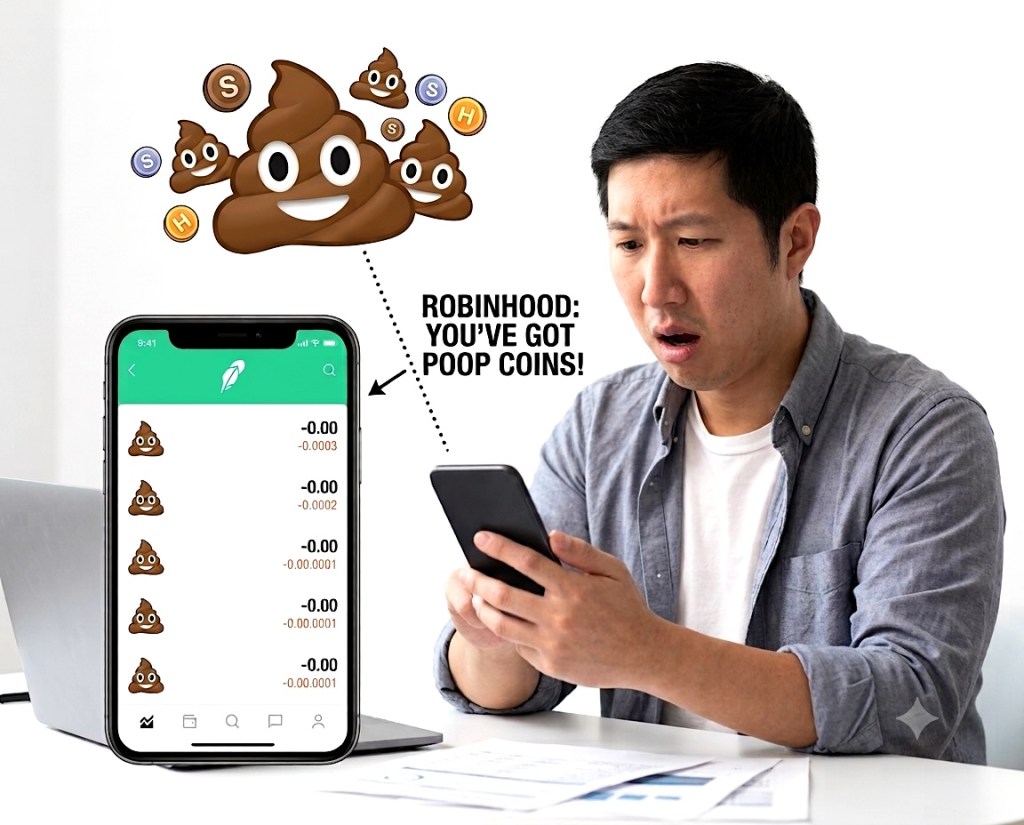
Ma said he is a long-time Robinhood user. When he logged into the Robinhood wallet last week, he found trading options crowded with memecoins. After buying a small amount of the memecoin $CASCHAT, he said he began receiving frequent airdrops of large amounts of what he described as useless tokens.
According to Ma, memecoins can be effective in the early stage when a platform is trying to attract traffic and boost decentralized exchange volume and liquidity. But he argued that these assets do not hold lasting value. He pointed to Coinbase’s Layer 2 network Base, saying many memecoins launched in early 2024 had fallen 99% from their highs by the same year. In his view, assets with that level of speculation can leave retail investors with heavy losses and erode long-term trust in Robinhood.
Concern over a speculative label returning
The public letter also warned that if Robinhood allows its blockchain to become known as a “memecoin chain,” it could deepen negative perceptions among Wall Street firms and hedge funds. Ma said that could cause the company to be associated again with the kind of speculative label linked to the 2021 GameStop, or GME, meme-stock frenzy.
He said that kind of branding would damage the image Robinhood has built. As an alternative, he suggested the company should channel liquidity and market attention toward the Robinhood wallet, the Arcus decentralized exchange ecosystem, and tokenized stocks. He argued that a stronger focus on high-liquidity products backed by real revenue, including RWA and tokenized equities, would give Robinhood a better chance of winning the respect of professional investment institutions.
International investors seen as the next growth engine
Ma also said Robinhood’s growth in the United States is approaching saturation and that the company’s next core growth driver will come from international investors in global markets. He said one reason he remains optimistic about Robinhood is its ability to help overseas investors access Robinhood Chain.
He added that those investors can now use Robinhood to invest in RWA, prediction markets, stablecoins, listed U.S. stocks, and pre-IPO stock offerings.