
Belarus has signed Decree No. 19, formally bringing cryptocurrency into its regulated banking system and opening the way for the creation of “cryptobanks.” Under the framework described in the source material, these entities are designed to combine conventional banking services with token-based operations inside a single legal structure.
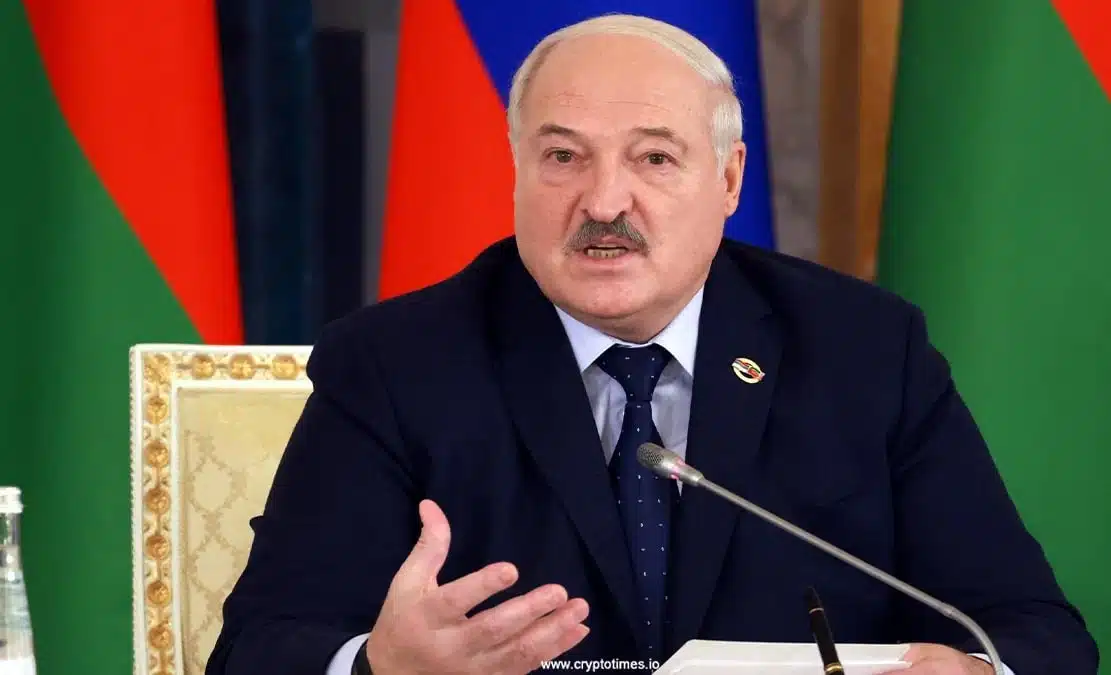
The decree was signed by President Alexander Lukashenko. Cryptobanks will operate as joint-stock companies and will be subject to a dual-regulation model that covers both financial supervision and technological compliance. The plan is not limited to allowing crypto-related activity on the margins of the economy. It is aimed at placing digital assets inside Belarus’ established financial framework.
Entry requirements tie cryptobanks to the Hi-Tech Park and central bank register
According to the decree, a company seeking to operate as a cryptobank must first obtain resident status in Belarus’ Hi-Tech Park, a state-backed innovation hub. It must also be included in a dedicated register maintained by the Belarusian central bank before it can operate under the new model.
That structure creates two layers of entry control. Access depends on participation in the country’s technology ecosystem and recognition within its financial oversight system. The source also says cryptobanks will have to follow the financial standards already applied to non-bank credit institutions, which keeps crypto-linked services within a defined regulatory perimeter.
Dual oversight is meant to connect digital assets with formal finance
The central policy shift is the attempt to embed digital asset services into the formal economy rather than leave them separate from traditional finance. Under the dual-regulation model, cryptobanks will be able to offer crypto-powered banking services while still complying with existing financial standards. The framework is presented as a way to limit regulatory gaps that could create instability.
In practical terms, the model allows one entity to offer both conventional financial services and newer digital-asset functions. The emphasis in the source is on regulated access, not deregulation. Government oversight remains a visible part of the structure.
Belarus links the move to its ambition of becoming a crypto and tech hub
The launch of cryptobanks is described as part of a broader shift in Belarus’ financial and technology strategy. Officials are tying the framework to the country’s ambition to strengthen its position as a global crypto and financial technology hub. The Hi-Tech Park stands at the center of that plan, serving both as a base for innovation and as a channel for attracting international crypto firms.
The government’s view, as outlined in the source, is that a regulated environment for crypto services can help draw foreign businesses and investors into Belarus. The decree also says cryptobanks will be required to comply with directives from the Hi-Tech Park’s supervisory board, adding another layer of oversight. Based on the published details, Belarus is trying to build a system where crypto and traditional finance operate side by side under formal supervision.