

A trading-focused theory is gaining traction around U.S. Treasury Secretary Bessent’s recent bond-market actions: the real objective may be to squeeze CTA shorts in Treasuries and push the 10-year yield toward 4.3% before the midterm election window closes.
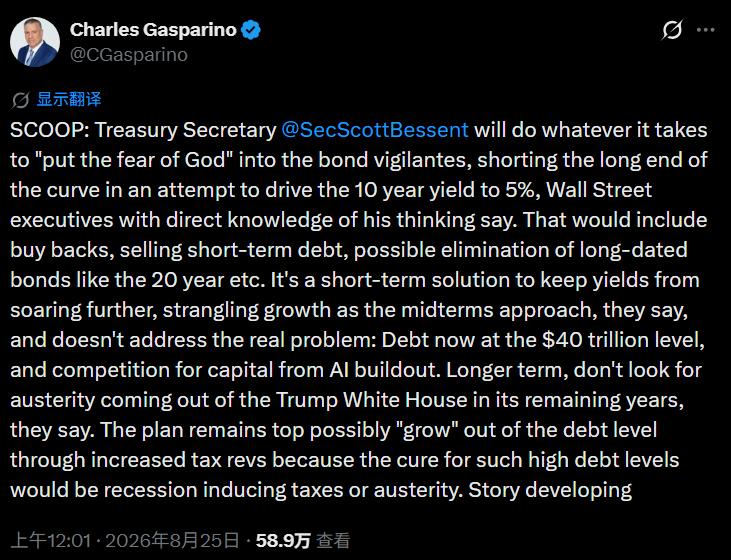
On Aug. 25, Fox Business reporter Charlie Gasparino wrote on X that Wall Street executives with knowledge of the thinking said Bessent wants to make bond shorts 「fearful」. The toolkit, according to that account, includes Treasury buybacks, more short-dated issuance, and even the cancellation of 20-year and other ultra-long maturities. The idea would be to first drive the 10-year yield from current levels toward 5%, then use short covering to press it back down.
Yields rose before TGA support produced only a modest pullback
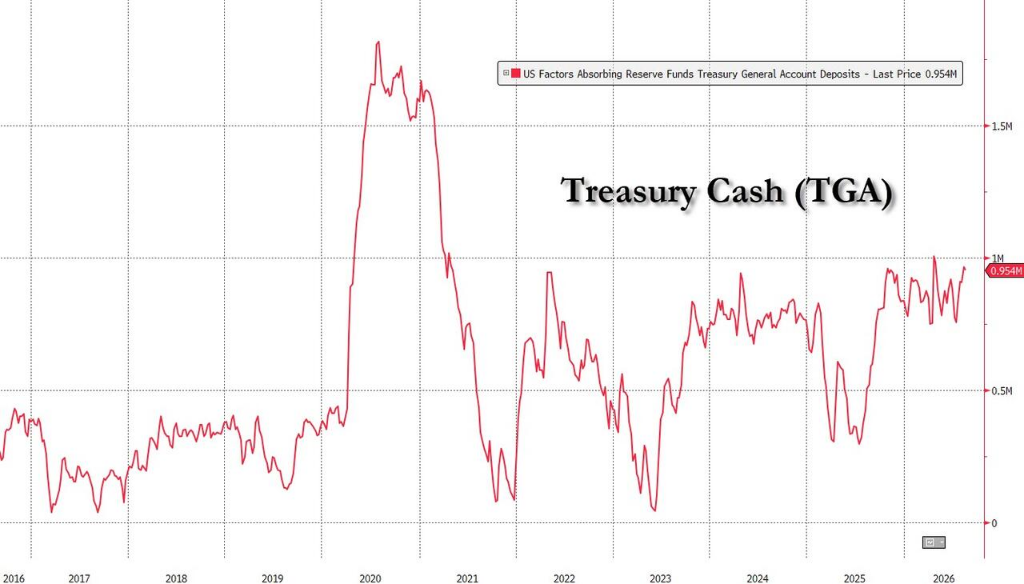
Market action so far suggests the effort has had limited effect. Treasury yields kept rising on Monday morning until the Treasury told CNBC it could use as much as $954 billion from the Treasury General Account, or TGA, as support. Only then did yields edge lower, and the retreat was slight.
Debate over Bessent’s buyback play has been building for some time. Critics argue that compared with the size of the U.S. deficit, total debt load, and still-elevated inflation, the buyback program is too small to change the path of yields in any fundamental way. This week’s move appeared to support that argument, with yields continuing to climb alongside oil prices before the Treasury signaled possible TGA support.
Reports point to friction inside the policy apparatus
The report also said the Treasury’s actions have created internal tension. According to the article, the operations have displeased Federal Reserve Chair Warsh and weakened his willingness to keep shrinking the Fed’s balance sheet. Market watchers cited in the piece said that, in practice, this ties the Treasury’s balance sheet more closely to the Fed’s.
The strategy is being read as an attempt to buy time
The logic looks more coherent if Bessent’s goal is framed as buying time rather than reversing the long-term direction of yields. The article said Bessent comes from a trading background and understands the difference between tactical and strategic positioning. With little prospect of large deficit reduction from Congress, an outright reversal in the yield trend would be difficult. Holding markets together through the midterm election period is a different objective.
Gasparino, citing Wall Street executives said to have direct knowledge of Bessent’s thinking, wrote that he is willing to do 「whatever it takes」 to pressure bond shorts. That could involve buybacks, shifts in the issuance mix, and the removal of some longer-dated supply. In that reading, the immediate target is not the structural driver behind higher yields, but a technical vulnerability in market positioning.
Goldman says CTA short positioning is near multi-year extremes
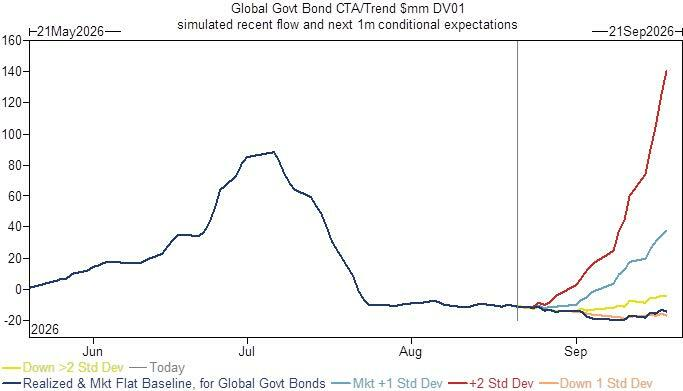
The short-squeeze thesis depends on the current structure of bond-market positioning. In its latest weekly report, Goldman Sachs’ futures desk said CTA and trend-following funds hold sizable short positions across global bond markets. Measured by DV01, or the profit and loss impact of a 1 basis point move in rates, that exposure is about $155 million. The report described the setup as being near multi-year lows in positioning terms, meaning bearish exposure is near multi-year highs, while trend signals across major markets have stayed negative for an extended period.
Goldman’s scenario work said there is limited room for CTAs to add much more to shorts if bonds continue falling. A rebound, however, could force meaningful covering. If bond prices rise by two standard deviations over one month, estimated covering and renewed buying could total $150 million DV01. More important, Goldman said the amount of short covering tied to a two-standard-deviation rally in the current setup would be the largest on record.
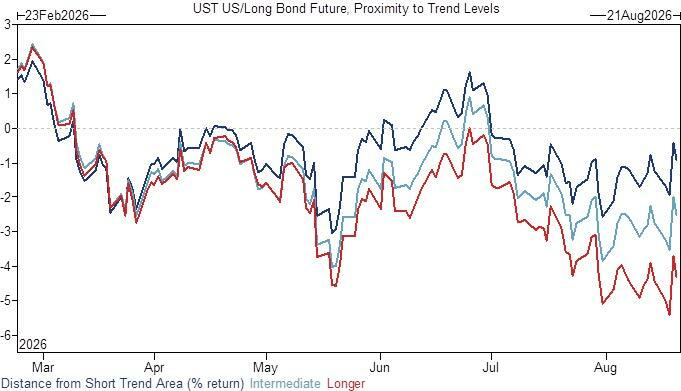
The article added that CTA bond shorts have built steadily since the start of the year and are now close to historical extremes. If price signals flip, the covering process could become self-reinforcing and expand step by step.
A 4.3% yield target is tied to the pre-election window
Put together, the analysis points to a fairly clear tactical objective: use policy intervention to lift bond prices, trigger forced CTA covering, create positive feedback between higher prices and short unwinds, and pull the 10-year Treasury yield down to around 4.3% from current levels.
The political timetable in the article is just as explicit. With roughly two months left before the midterm elections, a drop in yields into that range could help bring mortgage rates lower and give the Trump administration a favorable talking point, namely that rates fell even as oil prices climbed and geopolitical tensions stayed elevated.
The article also argued that once the midterm election passes, market reality may reassert itself. Structural upward pressure on yields and the valuation drag on equities could return more aggressively. Before then, the piece said, investors need to stay alert to the intensifying squeeze in Treasury shorts, with signals from last week suggesting the process may accelerate over the next several days.