
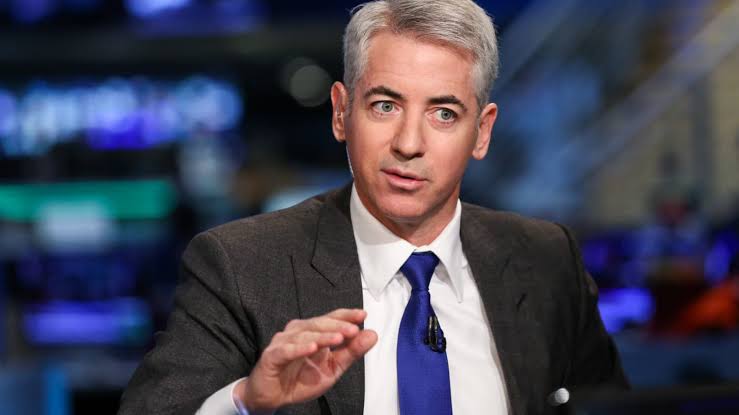
Pershing Square founder Bill Ackman has warned that further Federal Reserve rate increases to bring inflation back to 2% could push the U.S. and global economies into recession. He argues that a 3% inflation target would be more realistic under current conditions.
In a post dated Nov. 23 Taipei time, Ackman focused on the Fed’s December policy decision. Financial conditions have already tightened substantially, he said, and additional monetary restraint would increase the burden on business investment.
Companies face higher debt and equity financing costs
Ackman pointed to SpaceX, saying the investment-grade company recently secured debt financing backed by collateral at an interest rate of 8.259%. His example was intended to show that even companies with stronger credit ratings are facing expensive funding.
He also said an earlier, pronounced decline in the stock market had raised the cost to companies of raising capital through equity. Higher costs for both debt and equity financing are central to his opposition to further Fed tightening.
Ackman cites geopolitical shifts and AI investment
Ackman listed geopolitical risks, rising global military spending, deglobalization and tariffs among the structural changes affecting the economy. He also cited large-scale artificial-intelligence infrastructure projects and related energy investment.
In his view, the global economy has changed since the 2% inflation target was set, and those structural shifts and spending commitments make lower inflation harder to achieve. He warned that repeatedly raising rates to pursue what he considers a difficult-to-reach 2% target could come at the cost of a recession. His argument concerns not just the next rate decision, but also the longer-term destination of anti-inflation policy.
The Fed continues to stand by its 2% long-term goal
In a policy statement on Oct. 28, the Federal Reserve kept its federal funds target range at 3.75% to 4% in a 10-to-2 vote. The two dissenters favored a quarter-point increase, or 25 basis points.
The statement described economic activity as continuing to expand strongly. Domestic spending remained resilient and the unemployment rate had changed little, while inflation remained elevated. The Fed has emphasized returning inflation to its target in a timely manner; Ackman’s concern is that financial conditions are already tight enough to harm growth.
The Fed’s long-term strategy, reaffirmed this year, continues to identify a 2% annual rate of inflation in the personal consumption expenditures (PCE) price index as the level most consistent with price stability and maximum employment. It also says stable inflation expectations help sustain moderate longer-term interest rates.
The same strategy notes that monetary policy affects the economy, employment and prices with a lag. When the employment and inflation goals are difficult to reconcile, policymakers must consider both how far each has moved from its goal and how long a return to the goals may take. Ackman’s concern is that the higher financing burden on companies will eventually weigh on investment and growth.



