
Bitcoin briefly climbed above $64,000 on Tuesday after softer-than-expected U.S. inflation data gave traders a fresh reason to bet the Federal Reserve may avoid more tightening.
According to Bitcoin Magazine, the U.S. Labor Department reported that headline Consumer Price Index inflation fell 0.1% in June from the previous month, bringing the annual rate down to about 3.9% from 4.2% in May. A nearly 10% drop in gasoline prices drove much of the decline.
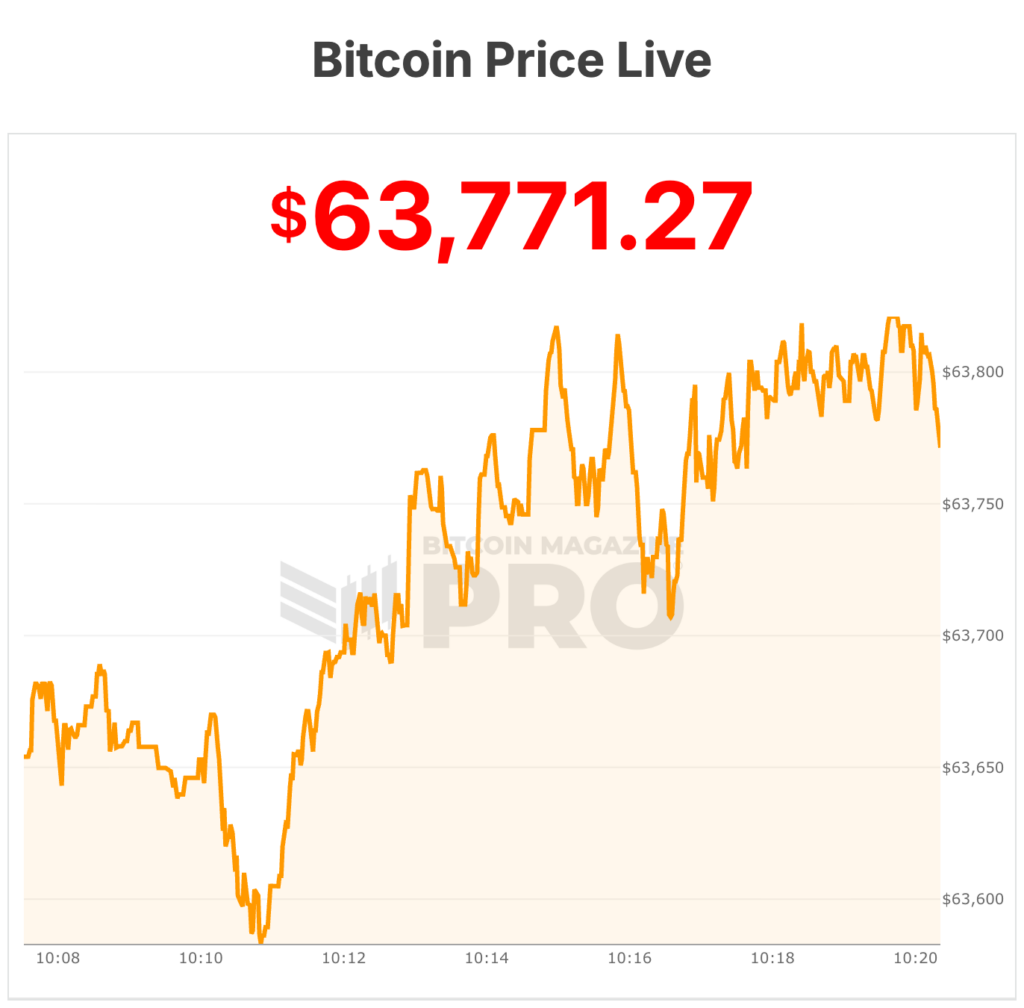
Bitcoin turned higher after the release. The asset had spent the previous week under pressure from leverage flushes and geopolitical risk, then traded near $63,800, up about 2% on the day. At the time of writing, the report said Bitcoin was near $63,780.
Softer CPI lifts rate-cut hopes, but core inflation stays elevated
Lower inflation readings tend to strengthen the case for rate cuts, and lower rates reduce the opportunity cost of holding an asset that does not generate yield. After the CPI print, Treasury yields moved lower, the dollar lost ground against major currencies, equities turned positive, and gold added to its recent gains.
That said, core CPI, which excludes food and energy, held at about 2.9% year over year. That remains above the Fed’s 2% target and suggests underlying price pressure has not fully broken. The report said that leaves the possibility of a July hike still on the table.
Before the release, futures markets were pricing roughly a two-in-three chance that the Fed would hold its 3.5% to 3.75% range at the July 28-29 meeting, while the rest of the market was betting on a 25-basis-point increase.
Bitcoin Magazine also posted on X: “CPI inflation falls to 3.5%, far below expectations.” The post was dated July 14, 2026.
Warsh testimony and energy risks cloud the policy outlook
Fed Chair Kevin Warsh added another layer of uncertainty. Minutes from the June meeting flagged AI-driven energy demand as a new source of inflation, complicating the outlook for where prices may head next. Warsh is due to testify this week, and traders are expected to watch his tone for clues on the September path.

The report also noted that the gasoline price drop that made June inflation look softer could reverse quickly. President Trump reinstated a naval blockade on Iranian shipping and moved to assert control over the Strait of Hormuz, while crude oil has pushed back above $80. A sustained rebound in oil could feed back into the inflation the Fed has been trying to contain.
ETF flows show fatigue as Bitcoin remains tied to macro moves
For Bitcoin, the setup is still a balancing act between hopes for easier policy and concern over what a renewed energy shock could mean. Bitcoin Magazine said spot ETF flows, which had anchored much of the past year’s demand, are showing signs of fatigue, leaving price more exposed to macro swings.
Bitfinex analysts told Bitcoin Magazine that demand for Bitcoin exchange-traded funds is still not agnostic to price or sentiment. In their view, bids tend to appear on calmer days and pull back when volatility rises. They said that points to Bitcoin remaining a macro-dependent asset.
The analysts added that the 30-day average of ETF net flows has been in an outflow regime since mid-May 2026. Daily redemptions have eased from $193 million in early June to $88.9 million now, which means the pace of decline has slowed, but they said institutional demand still has not found a floor.
BTC trades back into the middle of its recent range
Over the past seven days, Bitcoin traded in a roughly $61,600 to $64,700 range. It peaked near $64,400 around July 10 to July 12, then fell to about $61,600 on July 13. It later rebounded to $63,748, up around 1% on the day, moving back toward the middle of the week’s range.
More market signals are due soon. Second-quarter earnings from JPMorgan, Goldman Sachs, Wells Fargo, and Bank of America are scheduled for this week, and the July Federal Open Market Committee decision is due in two weeks.
This article first appeared in Bitcoin Magazine and was written by Micah Zimmerman.
