
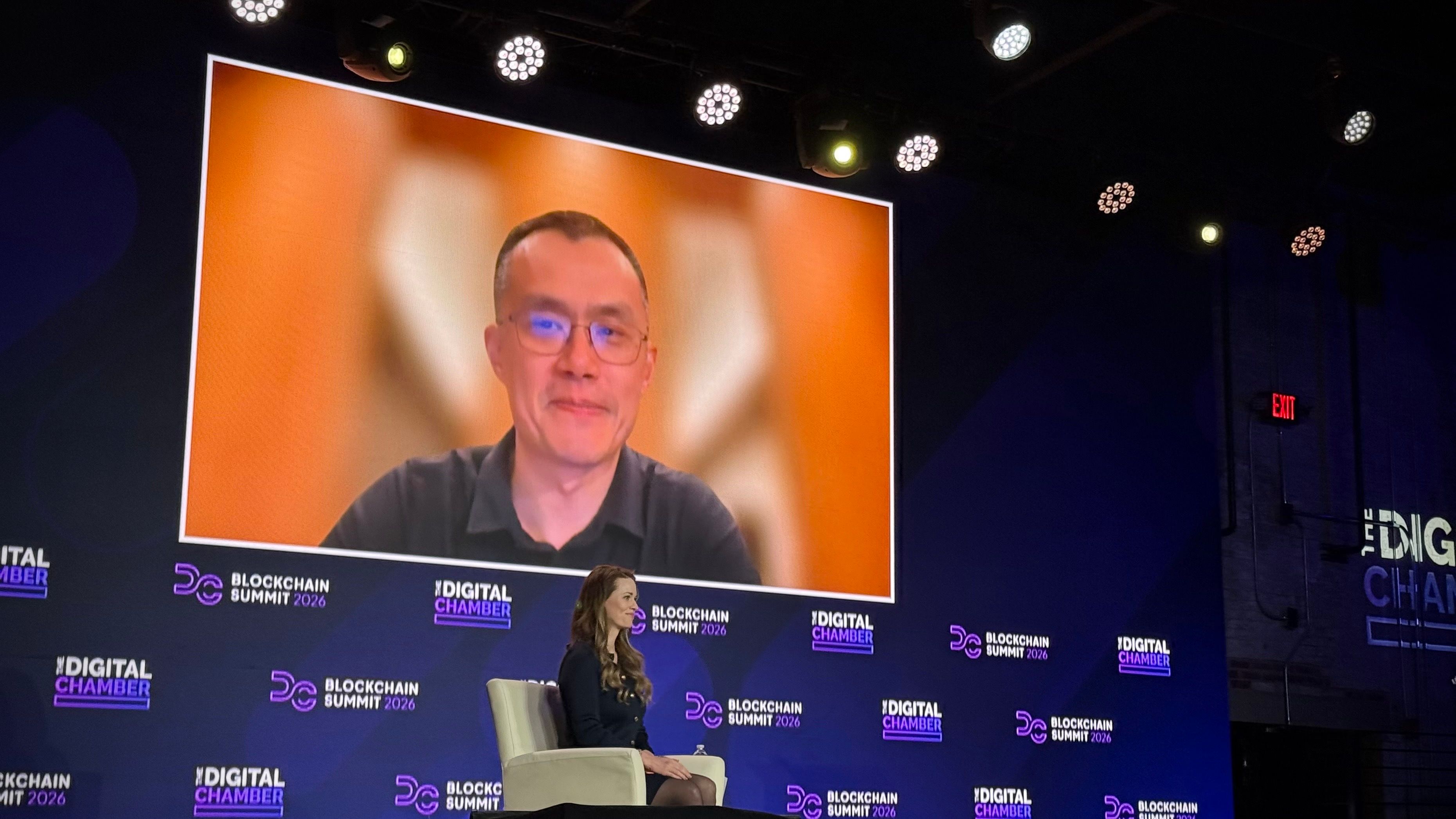
Binance founder Changpeng Zhao (CZ) ignited a fierce debate last month by proposing that the Bitcoin community freeze the approximately 1.1 million BTC belonging to Satoshi Nakamoto—valued at roughly $68 billion at current prices—to protect them from potential quantum computer attacks. Speaking on a podcast hosted by Galaxy Digital's Alex Thorn, CZ argued that inaction would effectively hand the coins to hackers.
He gave Satoshi a grace period of six to twelve months to move the tokens; if no movement occurred, the community could decide to lock those addresses. The underlying fear is that a quantum attacker could dump the stolen coins onto the market, crashing Bitcoin's price.
Terpin: A Slippery Slope for Permissionless Systems
Michael Terpin, founder and CEO of Transform Ventures and author of Bitcoin Supercycle, said freezing Satoshi's coins would cross a line. “I appreciate the proactiveness in CZ's proposal, but it starts a slippery slope of creating permissions in a permissionless system with respect to personal property,” Terpin told CoinDesk. He argued that if Satoshi is dead (as many Bitcoiners believe), only a quantum hack could release the coins. “It would affect the price substantially if the coins were dumped, but it would be a one-time episode, and post-quantum Bitcoin would recover.” Terpin also questioned consensus: “Given that it took years just to implement SegWit, I doubt a quick consensus can be formed here.”
Lopp: It's Not About Freeze vs. No-Freeze
Jameson Lopp, co-founder and Chief Security Officer at Casa, said CZ's comments miss the main issue. “I don't really consider it a proposal so much as a reflection on the threat,” Lopp said. He stressed that the debate is not binary. Lopp authored BIP-361, which outlines a phased migration to quantum-resistant cryptography. “The goal is to create incentives and deadlines for users, exchanges, custodians, wallets, and institutions to actually migrate in a timely manner,” he explained. In a previous statement, Lopp said it would be better to freeze Satoshi's hoard and other long-dormant coins than to let hackers steal them.
Hougan: A Middle-Ground Trust Option
Bitwise CIO Matt Hougan rejected both letting the coins be stolen and freezing them outright. Instead, he pointed to a proposal from Castle Island Ventures partner Nic Carter: place Satoshi's Bitcoin into a legal trust until ownership can be proven through historical electronic records. This approach avoids immediate market impact while preserving the possibility of eventual rightful ownership.
While quantum computing is still considered a long-term risk to Bitcoin's cryptography, CZ's proposal has pushed the issue into the spotlight. How the community handles Satoshi's legacy is shaping up to be a defining moment for Bitcoin governance and technical evolution.