
Bitcoin suffered a flash crash over the weekend, tumbling from $95,500 to as low as $92,474 on Sunday evening. The four-hour slide triggered over $750 million in long liquidations, according to Coinglass. Ether, Solana and other major tokens also fell, reflecting a broad de-risking move rather than a single-asset event.
Thin Weekend Liquidity Amplifies Move
Weekend sessions often see lower liquidity, making prices vulnerable to sharp swings. Most of the $750 million in forced liquidations came from bullish positions. The synchronized drop across top cryptocurrencies suggests a systematic withdrawal from high-beta assets rather than coin-specific factors.
Trump’s Greenland Tariff Ultimatum Sparks Risk-Off
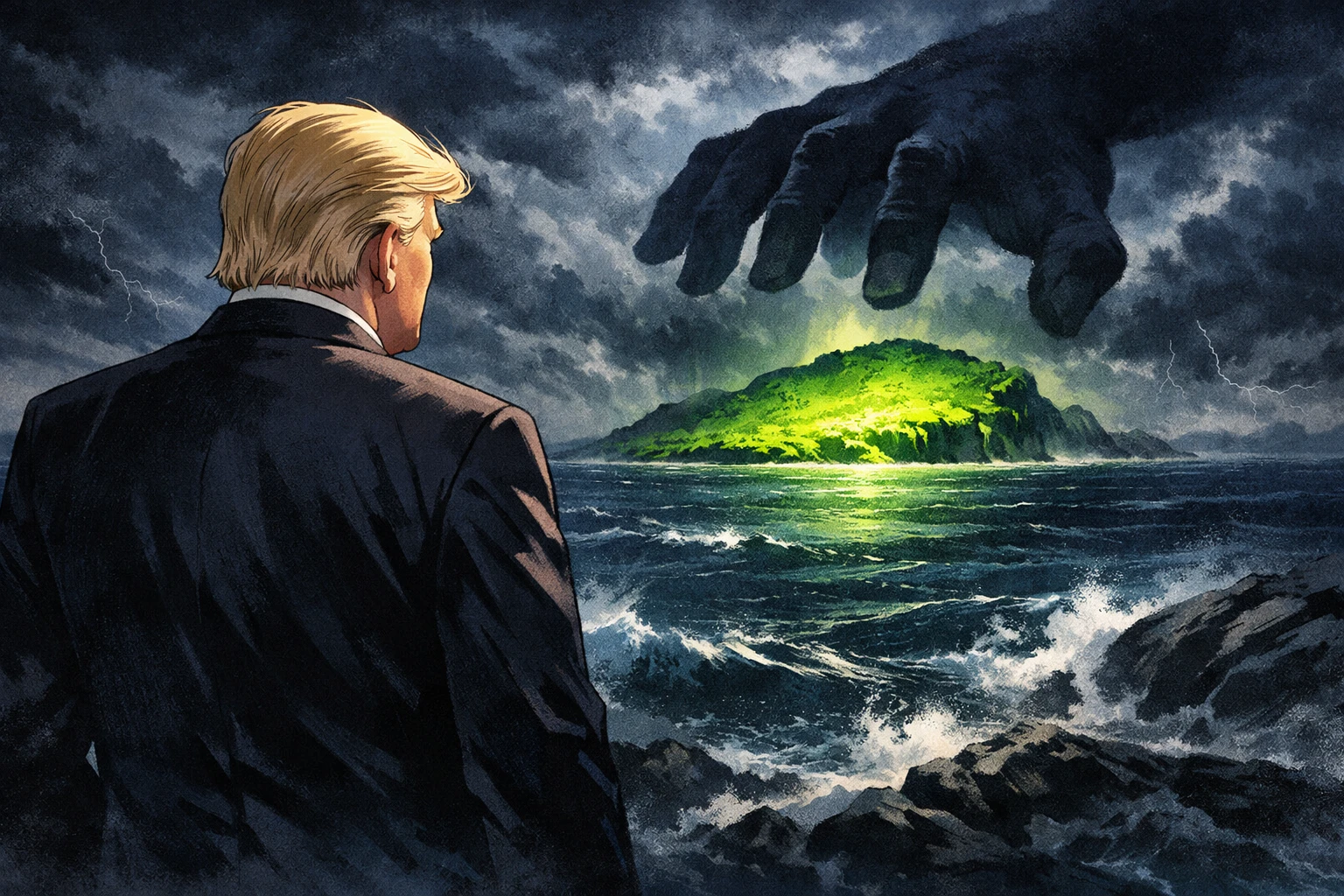
The trigger was a Truth Social post in which former President Trump threatened 10% tariffs on eight NATO allies — including the UK and Germany — if Denmark refuses to sell Greenland. The levy would take effect February 1 and rise to 25% mid-year if no deal is reached. ABC News quoted European officials warning that the move could push transatlantic ties into a “dangerous downward spiral.” Higher trade barriers tighten global liquidity, prompting investors to shift into traditional havens like the U.S. dollar — and out of bitcoin.
Regulatory Delay Adds to Uncertainty
Beyond geopolitics, a stalled regulatory bill is also weighing on sentiment. The Senate Banking Committee indefinitely postponed a markup session for the crypto market structure bill, dimming hopes for clear rules. “The core of the deteriorating market sentiment is that the bill isn’t moving forward, leaving institutions on the sidelines,” said Rachael Lucas, analyst at BTC Markets. Fund flows back up the caution: spot bitcoin ETFs saw $4.4 billion in net outflows over the last two months of 2025, indicating “smart money” had already trimmed exposure.
Technical Levels and Key Dates
With the price breaking below the 50-week moving average, bitcoin’s medium-term uptrend is at risk. Some analysts project a potential retest of the $67,000-$74,000 range if tariff threats persist. However, the current market infrastructure is more mature and institutional exposure more diversified than past cycles, making a “crypto winter” less certain in the near term. All eyes are on February 1: whether the tariff plan is enacted or negotiations de-escalate will likely dictate capital flows. Investors should monitor macro liquidity and regulatory progress to gauge if bitcoin can hold institutional confidence amid twin pressures.