


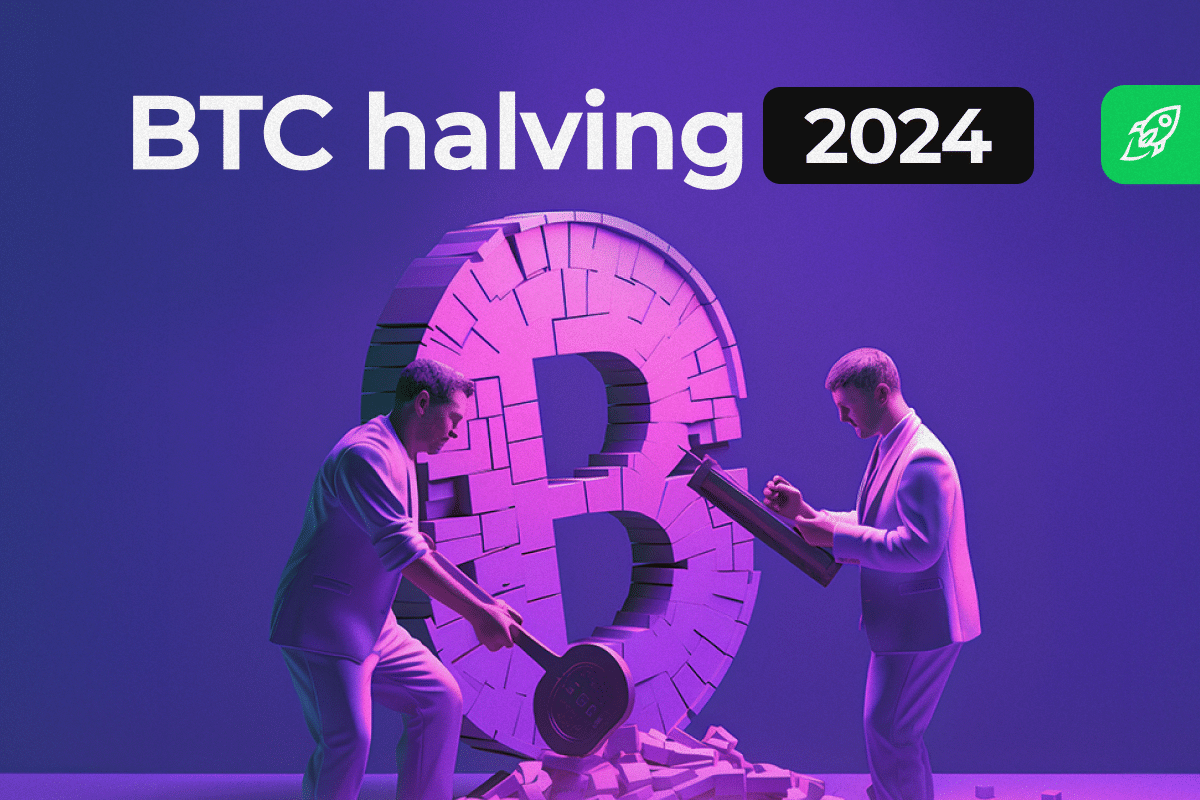
The next Bitcoin halving, scheduled for April 2024, is approaching fast. The event will slash block rewards from 6.25 BTC to 3.125 BTC, altering miner economics and supply dynamics. According to a recent CoinShares report, the average total mining cost after halving will rise to $37,856, with cash costs climbing from $25,000 to $37,800.
Mining Cost Surge, Efficiency Divide
Only well-capitalized miners like Riot, TeraWulf, and CleanSpark are positioned to weather the squeeze. If Bitcoin price drops below $40,000, all miners would face profitability pressure. Energy costs as a share of total expenses will increase from 68% to 71%, despite more efficient hardware. Post-halving, network difficulty may adjust downward, and some inefficient rigs are expected to shut down, consolidating hash power in low-cost regions.
Ten Price Theories: From Death Spiral to Institutional FOMO
Market participants hold contrasting views. The "mining death spiral" theory suggests that lower rewards could make mining unprofitable, causing a hash rate drop and network utility decline, further depressing prices. However, large-scale miners' contractual obligations and long-term investments make this scenario unlikely.
The stock-to-flow model by Saifedean Ammous and PlanB posits that reduced supply will push Bitcoin higher. Critics argue the model oversimplifies demand. Another theory sees pre-halving speculation inflating prices, followed by a "buy the rumor, sell the news" sell-off.
Miners may sell their reserves to cover rising costs, adding short-term supply pressure. Yet halving also cuts new supply by 50%, offsetting long-term. Some argue the event is a "non-event" — past halvings didn't trigger immediate price surges but gradually shifted equilibrium.
The halving narrative could accelerate institutional adoption, with scarcity appealing to hedgers, pension funds, and hedge funds. Retail FOMO is also a factor, as mainstream coverage drives new users. Finally, mining technology upgrades and alignment with market cycles (halvings often occur near bear market bottoms) provide a structural tailwind.
Past Halving Recap: 6x Gains Since 2020
First halving (2012): Bitcoin rose from $12 to ~$130 in a year. Second (2016): $650 to $19,800 in 17 months. Third (2020): $8,600 to $69,000 in 18 months. History may not repeat, but supply shocks combined with market psychology remain Bitcoin's most compelling narrative catalyst.