
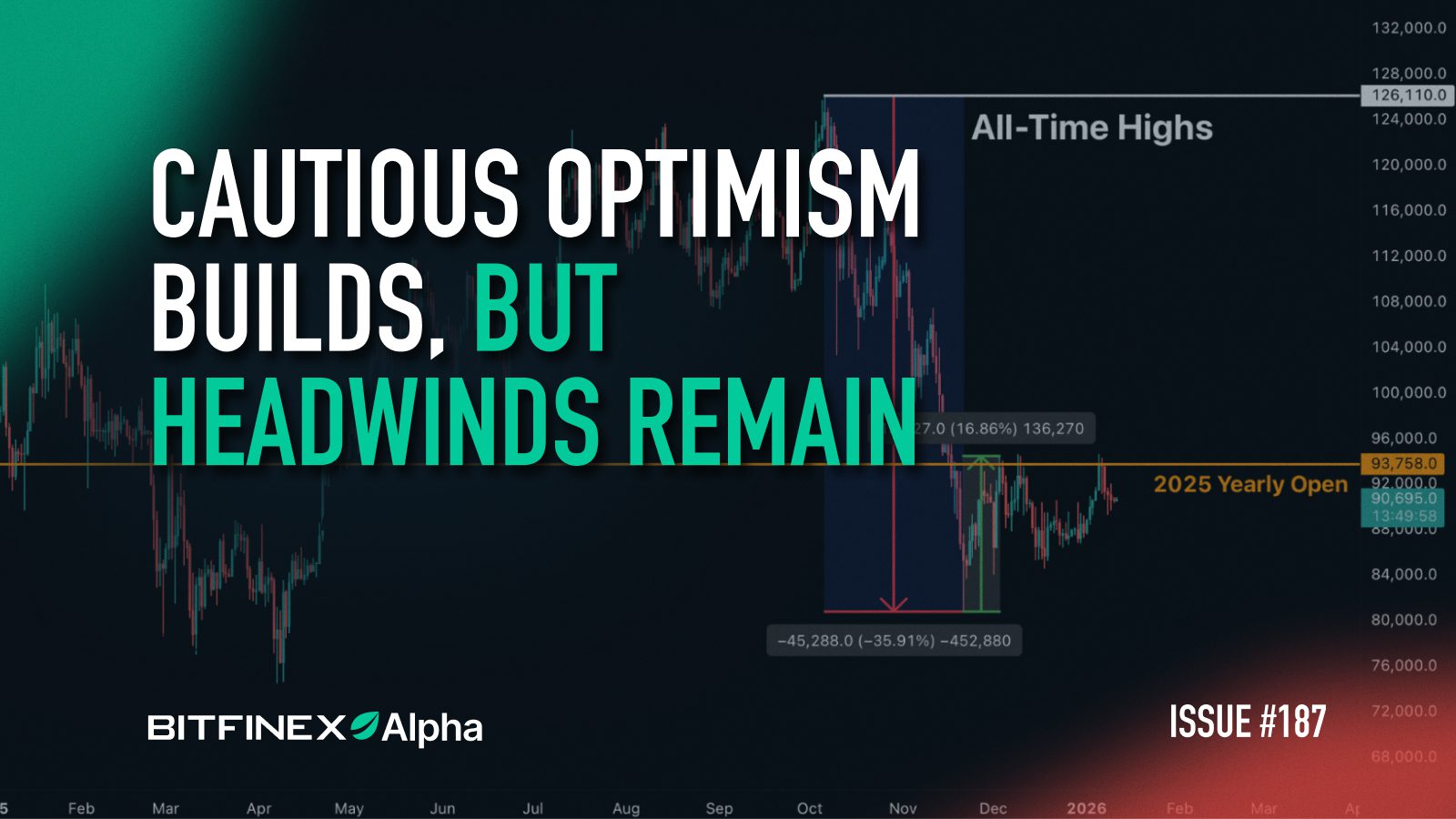
Bitfinex Alpha's latest report shows that the crypto market deleveraged rapidly over several days, effectively clearing old positions and leaving the derivatives market structure cleaner. Bitcoin has been testing the key resistance zone of $93,500–$95,000 since its bounce from around $80,800 in late November. While improved global liquidity expectations support a constructive medium-term outlook for 2026, short-term price performance faces multiple constraints.
Bitcoin Faces Strong Supply Overhang and Break-Even Selling
The rapid deleveraging in year-end options open interest (OI) has created a cautious optimistic sentiment: capital is positioned for upside over longer timeframes but maintains downside hedges in the near term. Meanwhile, Bitcoin's price is entering a supply dense zone defined by recent high buying, with cost basis roughly between $92,100 and $117,400. As price returns to this area, break-even selling pressure is expected to intensify—holders who suffered previous drawdowns may seek to exit without losses. This creates significant overhead resistance, suggesting that further upside will take time and rely on sustained spot demand to absorb distribution. Until supply is fully absorbed, the market is more likely to trade in a range, with risk appetite recovering gradually rather than shifting quickly to a new trend rally.
U.S. Macro Data Diverges: Slowing Employment, Narrowing Trade Deficit
Recent U.S. macro data shows economic activity slowing but not broadly weakening. The labor market has entered a 'slow hiring, no firing' phase: job growth has cooled sharply while unemployment remains low. Companies maintain output and profits through productivity gains and fewer hours, reinforcing expectations that the Fed will hold rates steady near-term and remain cautious on cutting this year. On the other hand, the U.S. trade deficit has narrowed notably, driven by falling imports rather than a domestic demand surge, even as exports hit record highs. Short-term trade balance improvement may support headline growth, but it masks weakening consumer momentum, transport and logistics employment stress, and operating risks for small businesses—showing uneven underlying economic dynamics.
Global Regulation Accelerates: Japan Moves to Treat Crypto Like Securities
Digital assets are increasingly integrating with traditional finance, shifting from fragmented crypto ecosystems to institution-led, regulated infrastructure. Japanese policymakers have flagged 2026 as a pivotal year, planning to fully bring crypto trading under regulated exchange frameworks, apply securities-like rules to major tokens, and introduce a single capital gains tax to boost retail and institutional participation. A similar trend is visible in the U.S.: a politically-connected crypto project has applied for a national trust bank charter, aiming to internalize stablecoin issuance and custody under federal oversight. This shows stablecoins are merging more deeply with core banking functions, even as regulatory scrutiny tightens. Overall, the world is moving toward clearer regulatory frameworks, exchange-centric market access, and institutionalized structures as the foundation for the next phase of digital asset adoption.