
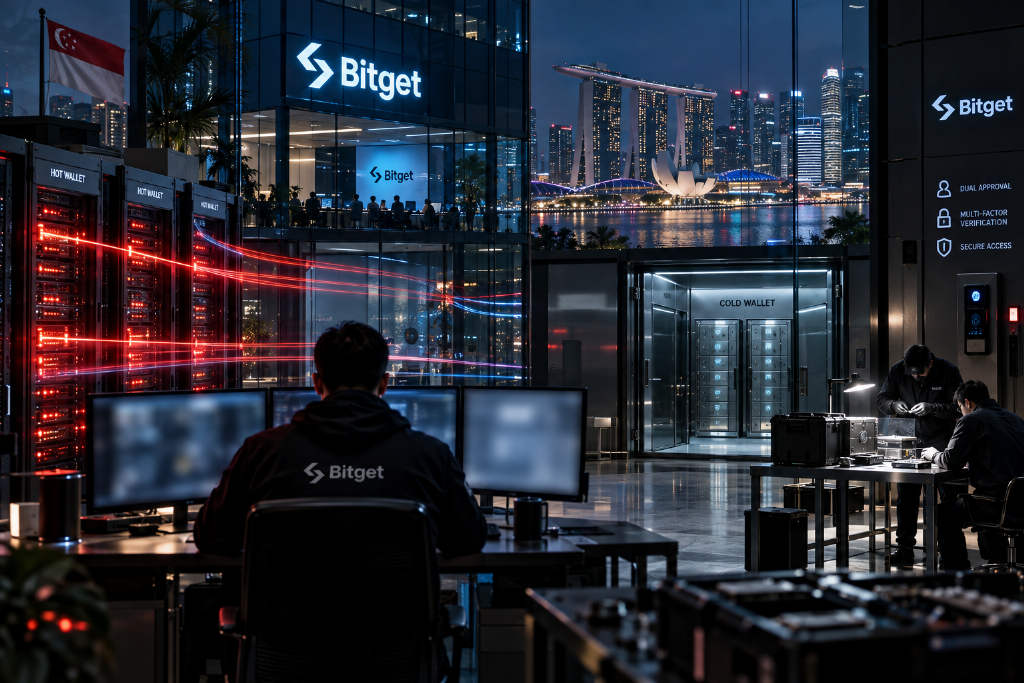
Bitget CEO Gracy Chen said the exchange’s recent $388 million exploit stemmed from a vulnerability in a third-party security product that allowed the attacker to obtain “high-level internal credentials.”
In comments to Cointelegraph, Chen said the attacker used those credentials to issue fraudulent withdrawal commands. She said Bitget’s private keys were not compromised, and its cold wallets were not affected.
Bitget said it has since addressed the security flaw and tightened its withdrawal controls. The measures include restricting internal access, adding independent verification for withdrawals and increasing monitoring for unusual activity.
The attack took place on Sept. 24, when Bitget detected unauthorized transfers from several of its hot wallets and temporarily suspended withdrawals. The exchange initially estimated that about $352 million in assets had been affected.
Bitget has not released recovery totals
The exchange has not disclosed how much of the stolen cryptocurrency has been recovered or frozen. Chen said some assets have been frozen with help from other industry participants, but Bitget will release a total only after verifying the amounts.
Bitget had previously called on THORChain, a protocol used to swap assets across blockchains, to refuse services to addresses linked to the attack.
The exchange also said it is not asking THORChain to halt its network while it tries to stop the stolen assets from being moved. THORChain has said it cannot selectively blacklist individual addresses.
“We understand that THORChain operates as a decentralized protocol and has said that it cannot selectively blacklist individual addresses. We respect the technical constraints of different networks and are not asking any protocol to take actions that are not technically possible,” Chen said.
North Korea suspicion still under review
Chen also addressed Bitget’s earlier suspicion that North Korea may have been behind the attack.
“What was shared previously was based on preliminary indicators identified during the investigation,” Chen said.
“Those indicators are still being assessed. Mandiant and SlowMist are supporting the independent forensic investigation, and that work is ongoing. We will share further findings as they are verified,” she added.
Cointelegraph said the story included additional reporting by Helen Partz.