
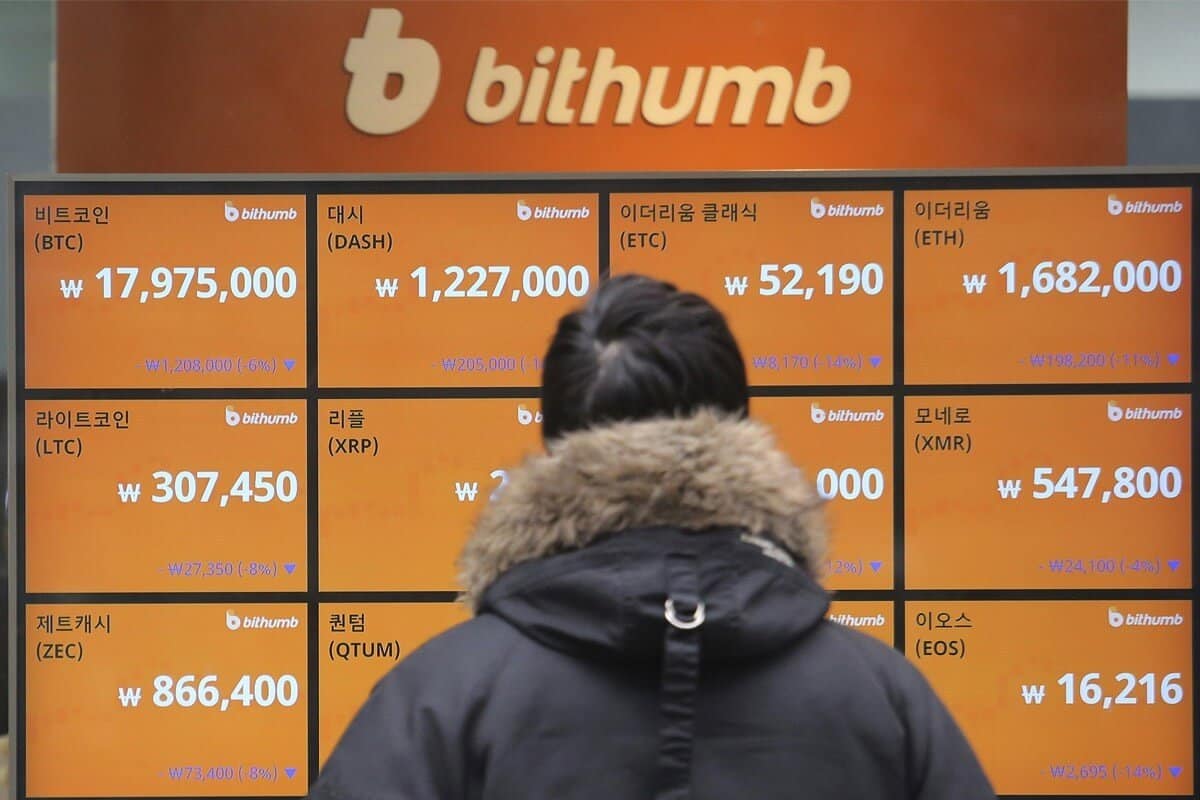
South Korean crypto exchange Bithumb suffered a massive 'fat finger' incident on Feb. 6 at 7 p.m. local time. Instead of distributing 2,000 won ($1.37) per person as event rewards, a staffer input '2,000 Bitcoin' per user, sending a total of 620,000 BTC (worth $40 billion) to 249 accounts. At the time, each recipient briefly held over 2,100 billion won ($140 million) worth of Bitcoin.
Gold Half-Hour Window
Bithumb only noticed the error 20 minutes later and froze all trading and withdrawals 15 minutes after that. Within that 35-minute window, large sell orders emerged, including a single sale of $68 million worth of Bitcoin. By the time the freeze kicked in, over 80 users had already cashed out or transferred the unexpected funds.
Recovery and Remaining Gaps
According to SBS News, Bithumb recovered 99.7% of the mistakenly sent Bitcoin on the same day. However, 125 BTC (about $8.8 million) remain missing. Investigators found that roughly 80 users sold the BTC before the freeze: about $2.05 million was withdrawn to personal bank accounts, and another $6.83 million was used to buy other cryptocurrencies.
Bithumb is now contacting those users to request repayment and has stated it will cover any unrecovered losses using its own assets.
Compensation and System Upgrades
For users who were forced to sell Bitcoin at low prices during the crash triggered by the incident, Bithumb will fully compensate the price difference, add an extra 10% compensation, and waive trading fees for seven days. All users who logged in during the incident period will receive 20,000 won ($15) each.
To prevent future errors, Bithumb announced a $68 million 'permanent user protection fund' and plans to upgrade its systems: enhanced asset verification, multi-layer approval for payments and distributions, and an AI-powered 24/7 anomaly detection system.
Reserve Discrepancy Raises Questions
The incident also revealed that Bithumb held only about 42,000 BTC in actual reserves — yet it 'sent' 620,000 BTC, far exceeding its holdings. This suggests the exchange uses internal ledger entries rather than on-chain balances to reflect user balances. South Korea's financial regulator has announced a comprehensive audit of all exchanges' internal controls and asset verification procedures.