
BlockBeats reported on Sept. 21 that a Bitunix analyst said stress in global energy markets is spreading beyond crude oil prices into refined fuels and food supply chains, raising the risk of a second round of inflation pressure.
Diesel tightness is becoming a bigger signal than crude alone
According to the analysis, U.S. retail diesel prices have climbed above $6.50 per gallon for the first time, widening the spread over gasoline to about $2. The analyst said that suggests the real shortage is no longer limited to crude itself, but now includes refining capacity, inventories of refined products and transportation capacity.
On the supply side, conflict in the Middle East is constraining energy shipments through the Strait of Hormuz, while the Russia-Ukraine war continues to damage Russian refining facilities. With diesel supply being squeezed from both ends, costs are starting to pass through to freight, agriculture, food processing and industrial equipment.
Black Sea disruption is forming a second inflation chain
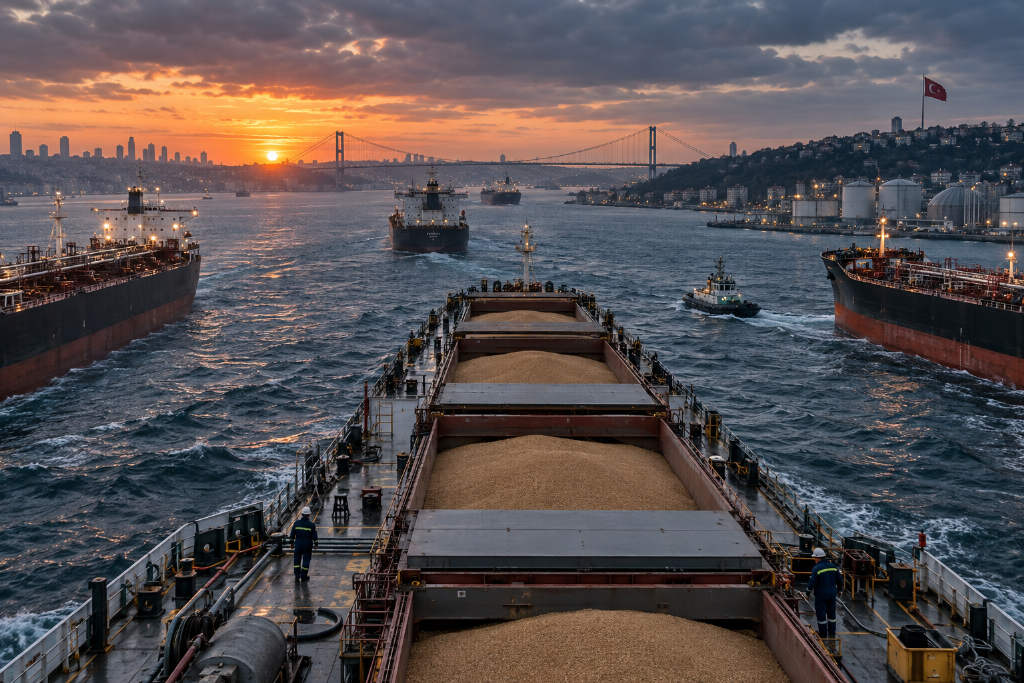
The analyst also said a second inflation chain is taking shape around the Black Sea. Russia and Ukraine are both major global wheat suppliers. After ports, grain terminals and transportation routes were disrupted, some importing countries were forced to turn to the U.S., Europe and other alternative sources, lifting both shipping distances and transportation costs.
That means food prices and agricultural input costs, not just energy prices, could become a new source of upward price pressure. If diesel, fertilizer and grain prices rise at the same time, corporate costs are more likely to broaden from a one-off energy shock into wider inflation pressure.
Policy pressure is building for the U.S. and other economies
The analysis said this leaves U.S. monetary policy facing a more complicated setting. Kashkari said inflation is no longer only an oil price issue and that price pressure in services has also spread. If energy and logistics costs keep feeding into core goods and services, disinflation could still move more slowly than expected even if crude prices later fall.
Separately, the International Monetary Fund warned that the global public debt ratio could rise to 100% of GDP by 2029. With high interest rates, energy shocks and fiscal spending all increasing at the same time, government interest burdens would rise further and policy room would narrow.
The analyst said markets should now watch not just crude, but whether energy, transport and grain costs combine into a second round of cost transmission. If shipping in the Middle East, Russian refining and Black Sea grain exports do not improve, diesel and food prices could become new inflation drivers outside crude, forcing major central banks to keep policy more restrictive. For heavily indebted economies, that would also mean higher financing costs and less fiscal buffer.