
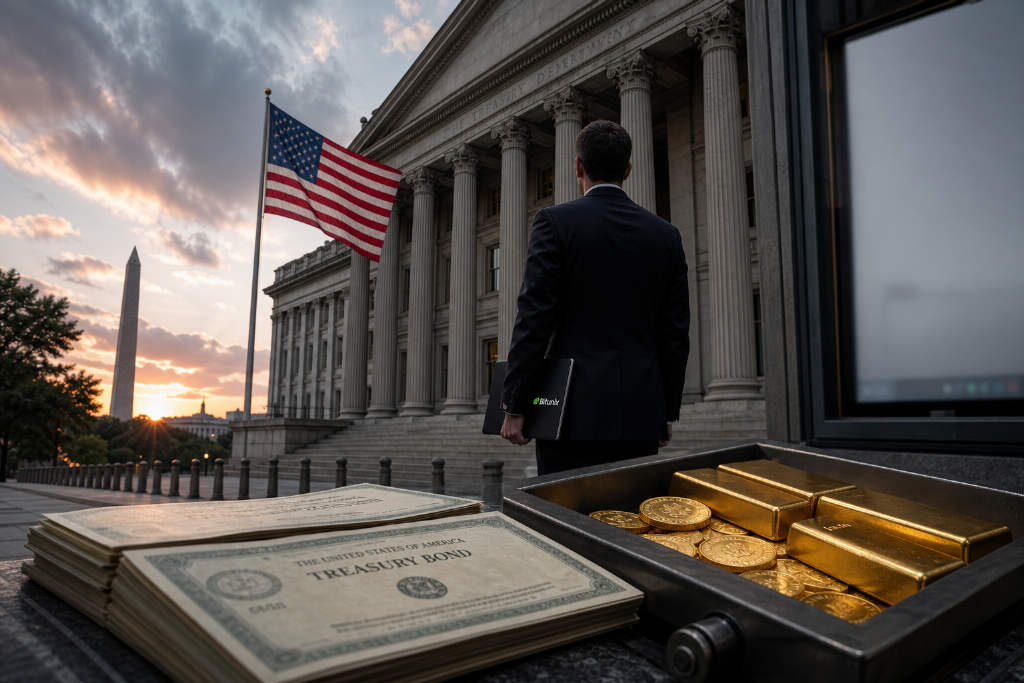
BlockBeats reported on Sept. 1 that a Bitunix analyst said the 30-year U.S. Treasury yield has closed above 5% for 55 consecutive trading sessions, the longest high-yield stretch since 2006.
According to the analysis, pressure on long-dated yields is no longer driven only by inflation. With U.S. debt exceeding $40 trillion and the fiscal deficit at about 6% of GDP, the long end is also being pushed by heavy government financing needs, term premium and market doubts about fiscal sustainability. The analyst said broader long-bond buybacks by the Treasury can provide short-term support, but in essence only improve bond-market supply-demand conditions and liquidity, without removing the continued increase in debt supply.
Fed policy is the key intersection for Treasuries and gold
The analysis said this leaves Federal Reserve policy as an important intersection in pricing both U.S. Treasuries and gold. Warsh said clearly at Jackson Hole that inflation remains above the 2% target and recent data are still not enough to prove meaningful improvement in underlying inflation. Multiple Fed officials also believe the current level of rates remains only limited in its restrictiveness.
If employment and inflation continue to show resilience, expectations for a September rate hike may continue. That would support short-end rates, while fiscal pressure could keep long-end yields elevated, creating a combined backdrop of tight policy rates and heavy long-end supply.
Gold pricing depends on why yields are rising
For gold, the analyst described a tug-of-war between short-term and medium- to long-term forces. Rate-hike expectations and high Treasury yields raise the opportunity cost of holding gold, and a stronger U.S. dollar would also weigh on prices. At the same time, continued expansion in U.S. debt, a persistently high fiscal deficit and elevated long-term Treasury yields reinforce demand for hedges against fiscal and monetary credit risk.
The note said the core contradiction for gold is not a simple "rate hikes are bearish" argument. Instead, it is the policy conflict created by high interest rates existing alongside high debt levels. That is why the recent pricing relationship between Treasuries and gold deserves a closer look: if yields are rising mainly because of expectations for Fed rate hikes, gold is more likely to face pressure; but if yields are rising mainly because of fiscal supply and term premium, gold may still show relative resilience even if rates stay high.
In other words, the key to judging gold is not only where 10-year and 30-year yields are headed, but why yields are moving higher.
September focus is whether fiscal policy, the Fed and long-end rates can regain balance
The analysis added that the real focus for September is not the direction of any single asset, but whether U.S. fiscal conditions, the Federal Reserve and long-end rates can return to balance. If employment and inflation cool and yields fall, valuation conditions for Treasuries, gold and risk assets would improve at the same time. If inflation remains sticky, the Fed keeps a tightening stance and the fiscal deficit does not narrow, long-dated Treasuries may stay under pressure, while gold may gradually strengthen its role as a hedge against fiscal and credit risk in a high-rate environment.