
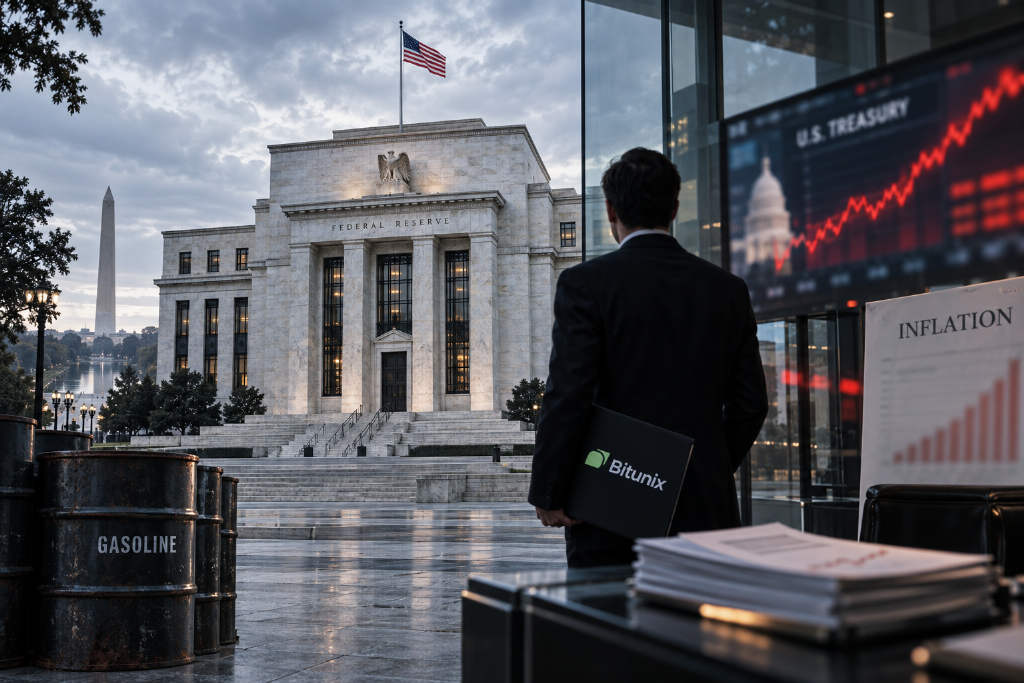
U.S. inflation picked up again in August, with unadjusted headline CPI rising 0.4% month over month and core CPI increasing 0.3%, both above the prior readings, according to BlockBeats on Sept. 14. The release quickly pushed the market-implied probability of a Federal Reserve rate hike this week to around 90%.
Bitunix said the market is no longer focused only on a single 25-basis-point move. The broader concern is whether inflation is starting to lose its disinflation trend.
Core price pressure has not eased as expected
Housing, airfares, education and used car prices all moved higher, while energy costs also rose noticeably. That combination, the report said, left core price pressure from slowing as much as previously expected.
Energy is now complicating the policy picture further. Tensions in the Middle East continue to rise, and some oil pipelines in Saudi Arabia have been shut as a precaution, raising the possibility of fresh disruption to global crude supply. At the same time, the Russia-Ukraine conflict has extended into refining and diesel supply, increasing transportation and supply-chain costs.
That means the energy shock is no longer just about oil prices themselves. It may also feed into logistics, manufacturing and consumer prices, creating a second round of inflation pressure. If that dynamic persists, the Federal Reserve may still face the cost of rising inflation expectations even if it would prefer to keep rates low.
Treasury yields near 5% as fiscal pressure builds
The other side of the problem is the Treasury market and the U.S. fiscal position. The 10-year Treasury yield has approached 5%, with long-end rates being pushed higher by rate-hike expectations, a large deficit and AI-related capital spending.
The report said Bessent wants to reduce the burden of $40 trillion in debt through economic growth. For now, though, current U.S. growth and the country’s long-term demographic structure are not enough to ease fiscal pressure naturally.
As a result, the question is shifting from how to push yields lower to how much economic growth the U.S. needs in order to support a steadily rising debt load and higher interest costs.
Asset markets face a tougher pricing mix
For asset markets, this creates a more difficult combination. The Federal Reserve may tighten policy again, but longer-dated Treasuries may still fail to find support because investors are also demanding a higher term premium to absorb fiscal and inflation risk.
If oil prices and core inflation stay elevated, rate hikes may only be the starting point for a broader repricing. Even if the economy remains resilient, higher long-term yields would still pressure markets through financing costs and asset valuations.
The next key points to watch are whether inflation can return to a downward path and whether the U.S. can offset the long-run cost of high interest rates and fiscal expansion with enough productivity and economic growth.