

What some security professionals are calling “Black October” is still unfolding, and it has already brought several dozen major cyberattacks and AI-identified vulnerabilities across the internet, according to Cointelegraph.
A major trigger came on Oct. 21, when the PHP Foundation disclosed critical PHP vulnerabilities that had been uncovered with the help of AI tools. PHP is used by around 70% of websites, so the disclosure set off a global race to patch servers.
Cloudflare said it recorded millions of attempts to exploit the vulnerability after disclosure, after seeing thousands of attempts in the preceding hours.
Some governments moved quickly. France and Finland temporarily pulled access to certain websites, while the US National Security Agency warned organizations to patch the flaws immediately or take affected systems offline.
NEAR founder Illia Polosukhin described the moment in stark terms: “We are at Security Armageddon now.” Anthropic chief security adviser Jason Clinton said, “as bad as things have gotten in the past 4 days, they are going to get a lot worse before they get better.”
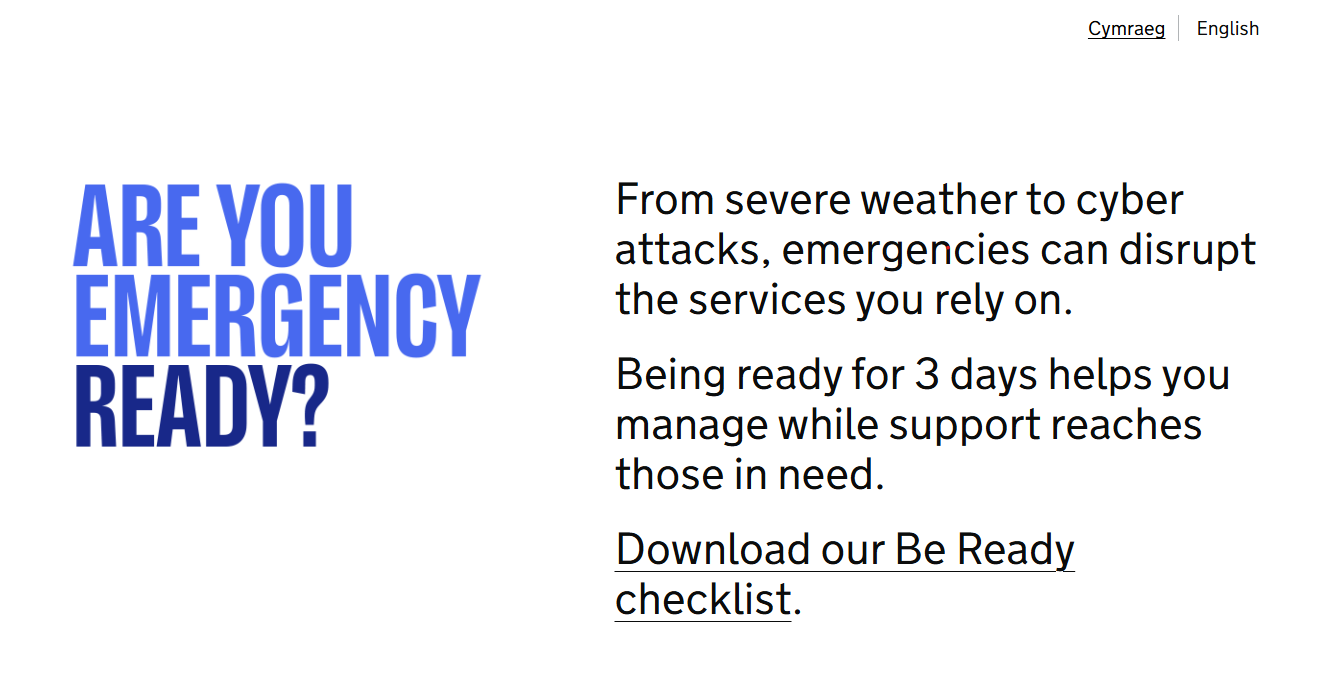
In the United Kingdom, citizens are being urged to be ready for emergencies, including severe weather or cyberattacks, that could cut off access to critical infrastructure such as water, electricity or the internet. US military installations have also been told to prepare for 90 days of independent operation under the FORTRESS initiative.
How severe the situation looks
Rob Hamilton, a Bitcoin security researcher involved in the Bitcoin Red Team, told Cointelegraph Magazine that the situation is “really bad.” He added: “It looks like the rest of the internet is waking up to the reality we had three months ago.”
Over roughly the past week, cloud platform Railway disclosed that an attacker had accessed and decrypted customer credentials and API keys, apparently targeting AI providers.
Other incidents cited in the report include Quest Diagnostics confirming a breach of private patient health data, Indian security firm eMudhra being found to have eight digital certificate authorities with weak keys that could have allowed attackers to impersonate trusted websites, and GitHub suffering a major service disruption that exposed how dependent the software industry is on shared infrastructure.
Austin Devers, GitHub’s senior director of security, said incidents like this are a “clear reminder that reliability requires constant work,” because modern development is “so connected.”
Jonathan Riss, an OSINT and blockchain intelligence analyst at blockchain security firm CertiK, also spoke to Cointelegraph Magazine. The report said AI’s ability to find vulnerabilities is not being matched by its ability to fix them.
Why security teams expect more trouble
One reason the problem is getting worse, the report said, is that AI has changed the economics of cybersecurity.
Tasks that once required nation-state resources and highly sophisticated hackers can now be carried out by far less capable actors.
AI entrepreneur and investor Matt Shumer said AI allows nontechnical users to find weak spots and exploit them, while defenders are “racing to keep up.”
Devers said AI-assisted security tools are “dramatically” lowering the barrier to uncovering complex, deep-seated flaws in widely used codebases.
What ordinary users can do now
Cointelegraph listed several practical steps for people trying to reduce their exposure during this period.
Shumer said users should stay off sites they do not know and should not enter passwords or card numbers into unfamiliar websites “until this blows over,” because smaller sites are the “least likely to have patched.”
He also recommended deleting unused apps and unplugging smart devices that are not needed. For people who want to be extra cautious, he said keeping some cash at home and enough groceries for a few days is another option.
Devers said the best defense is “locking down personal access points and keeping overall footprints small.” He recommended turning on multi-factor authentication across all accounts, ideally with an authenticator app or a hardware security key instead of text messages.
He also warned against password reuse: “Create strong, unique passwords for every site, and periodically disconnect old app permissions or third-party connections you no longer use.” Devices and web browsers should be kept on automatic updates as well.
Crypto custody remains part of the debate
The rise in security incidents has pushed some crypto holders to look at alternatives, and some experts have advised against self-custody. Others disagree. Bitcoin advocate and Casa chief security officer Jameson Lopp said abandoning self-custody defeats the purpose.
Riss recommended separating small amounts intended for regular use into a hot wallet, while keeping longer-term holdings in a hardware wallet. He also urged users to “actually read what you’re signing rather than approving blind.”
The report added that these steps can reduce personal vulnerability, but ordinary users can do little to change broader infrastructure risks.
As Riss put it, users can “reduce blast radius,” but “not prevent infrastructure compromise.” The structural burden, he said, still sits with platforms and providers.



