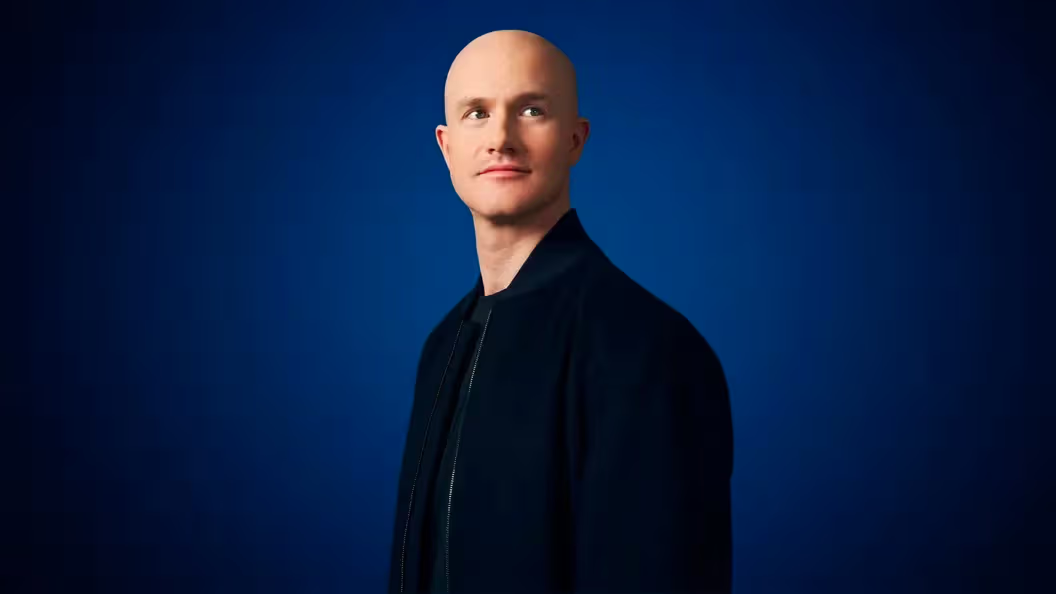
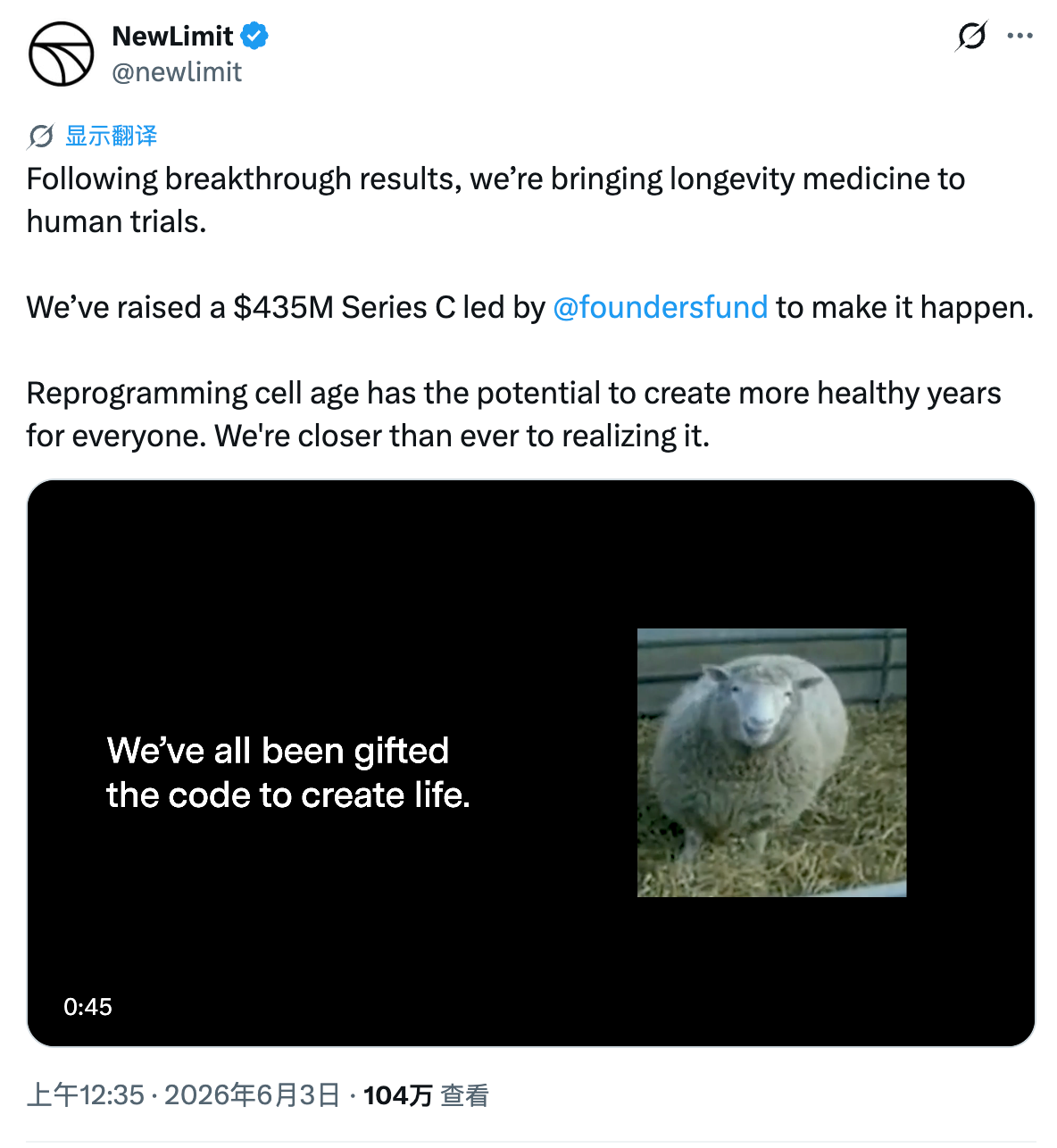
On June 3 (Beijing time), longevity biotechnology startup NewLimit announced the completion of a $435 million Series C funding round. The round was led by Peter Thiel's Founders Fund, with continued backing from existing investors including Abstract Ventures, Kleiner Perkins, NFDG, Eli Lilly Ventures, and Valor Equity Partners, while new investors such as Thrive Capital, Greenoaks, and Quiet Capital joined the syndicate. The Wall Street Journal reported that the financing pegs NewLimit's valuation at $3.1 billion, marking a more than threefold increase from the year prior. In its announcement, NewLimit disclosed that following breakthrough research, it is moving its longevity medicine into human clinical trials. The first drug candidate, an alcohol-related liver disease therapy, is slated to enter trials next year. The company emphasized, "By reprogramming cell age, humans could achieve longer healthspans, and we are now closer than ever to 'slowing or even reversing aging.'"
From Crypto to Cellular Reprogramming
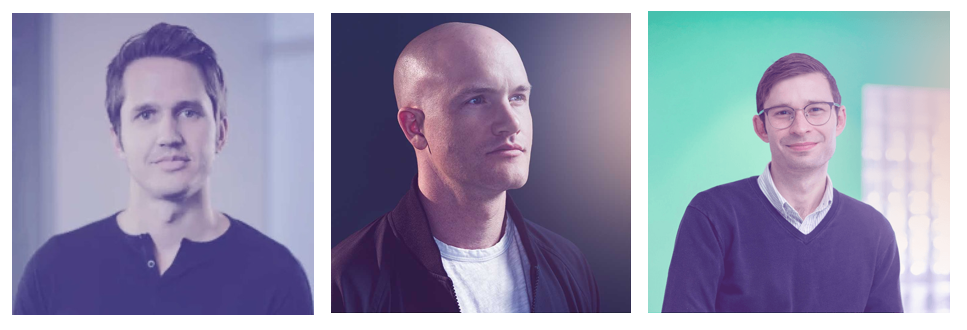
NewLimit's co-founder is none other than Brian Armstrong, the well-known CEO of Coinbase. In 2021, Armstrong teamed up with Blake Byers, a former GV partner and bioengineer, and Jacob Kimmel, a stem cell biologist, to invest $110 million and launch the company in South San Francisco. Before this latest round, NewLimit had already secured three prior funding rounds. The company's official mission is to create drugs that extend healthy lifespan. As its website states: "As we age, our cells' functions gradually decline, making us more vulnerable to disease. People once believed aging was inevitable, but emerging science indicates it can be reversed at the cellular level. We are building the first drugs to restore youthful function in aged cells." In essence, NewLimit is using rigorous science to pursue what many have called "longevity escape velocity."

Yamanaka Factors: Unlocking Cellular Rejuvenation
For decades, researchers understood the correlation between aging and cellular deterioration but lacked a precise method to turn back the clock. The breakthrough came in 2006, when Japanese scientist Shinya Yamanaka discovered that activating just a small set of specific transcription factors could reprogram adult cells into a young, embryonic stem cell-like state. Dubbed "Yamanaka Factors," this discovery earned Yamanaka the 2012 Nobel Prize in Physiology or Medicine. His work demonstrated for the first time that cell age is not an irreversible fate, fundamentally shifting the paradigm of aging research and opening the door to therapeutic interventions that target the epigenome.

NewLimit's drug development is grounded in this finding. The company's website explains that its therapies work by activating particular transcription factor genes to reset a cell's epigenome to a more youthful configuration. However, the exact combination of factors required varies across different cell types, and identifying these optimal "payloads" remains the central scientific challenge. The quest to decode the correct epigenetic recipes for different tissues is the core of NewLimit's R&D effort.

Starting with Liver Disease as a Proof of Concept
NewLimit's strategy is to initially target a specific disease, gain regulatory approval, and then expand into broader aging-related indications. The first target is alcohol-related liver disease. Co-founder and CEO Jacob Kimmel notes that liver disease can be considered an "accelerated form of aging" — it mirrors the biological aging processes that everyone undergoes, but in a faster and more dramatic manner. With the fresh capital, the company plans to launch clinical trials for this drug next year. Success in this area would not only provide a new therapeutic option for liver disease but also serve as a powerful validation that cellular reprogramming can effectively combat age-related decline, paving the way for applications in other organs and conditions such as metabolic disorders or neurodegeneration.

Billionaires Betting on Immortality
NewLimit is far from the only company chasing the dream of extended lifespan. In 2022, Sam Altman invested $180 million in Retro Biosciences, a firm working on drugs to rejuvenate senescent cells, which was recently valued at $1.8 billion. Also in 2022, Altos Labs, reportedly backed by Jeff Bezos, launched with an initial $3 billion and has since nearly doubled its total financing. From Peter Thiel to Sam Altman to Jeff Bezos, it is the super-wealthy at the apex of the tech and finance worlds who are most aggressively pouring capital into longevity science. Thiel has been notably explicit about his disdain for death, once stating, "Death is the greatest enemy, but we treat it like a natural law." For these individuals, when wealth and power reach their zenith, time becomes the only remaining adversary — and the one luxury that money cannot directly purchase.