

Bright Laser Technologies and Farsoon Technologies are pulling investors in opposite directions as China’s 3D printing sector expands quickly in shipments but still struggles to convert that momentum into profit.
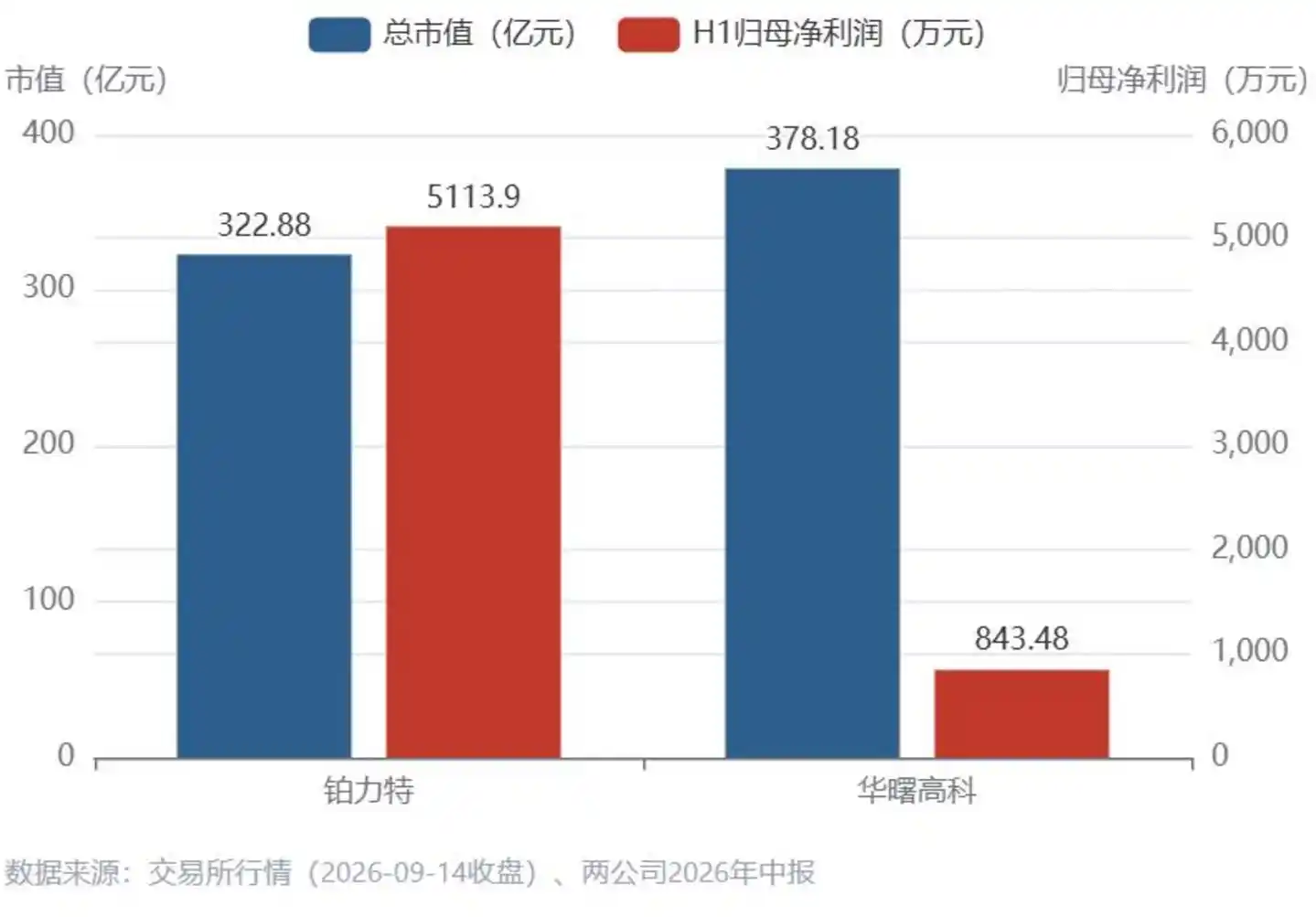
On Sept. 14, Bright Laser Technologies Co., Ltd. (688333.SH) closed up 10.99% at 117.7 yuan, with a market capitalization of 32.288 billion yuan. Farsoon Technologies Co., Ltd. (688433.SH) ended the day at 91 yuan, up 2.09%, with a market capitalization of 37.818 billion yuan.
That valuation gap stands out against the earnings picture. In the first half, Bright Laser reported net profit attributable to shareholders of 51.139 million yuan, while Farsoon posted 8.4348 million yuan. Even so, Farsoon’s equity value remained about 5.5 billion yuan higher.
The spread was wider only days earlier. On Sept. 2, nine trading days before the latest close, Farsoon’s market capitalization briefly reached 46.9 billion yuan, putting it more than 15 billion yuan ahead of Bright Laser. After that, Farsoon pulled back 18% from its high, while Bright Laser rebounded by more than 50% from its late-July low.
Exports are rising fast, but the mix matters
According to data cited from China’s General Administration of Customs, the country exported 3.62 million 3D printers in the first half of 2026, with total export value of 9.611 billion yuan, up 109.3% from a year earlier. On July 28, the Ministry of Commerce, at a State Council Information Office press conference, listed 3D printers alongside industrial robots as new calling cards for AI-related exports. Export value for industrial robots was said to have risen 18.6%.
The report said that nine out of every 10 consumer-grade 3D printers sold globally come from China.
Industrial equipment exports showed a stronger growth rate. According to China Central Television Finance, export value for industrial metal 3D printing equipment rose 76% in the first half. Europe and Southeast Asia contributed 87% of the total. Equipment makers including Suzhou Xidimo saw orders rise about threefold year over year, with delivery schedules filled through year-end. Some manufacturers said overseas orders accounted for nearly 60% of orders in hand for the first time, overtaking domestic demand. Chinese industrial equipment lead times were around one month, compared with at least three months for overseas peers.
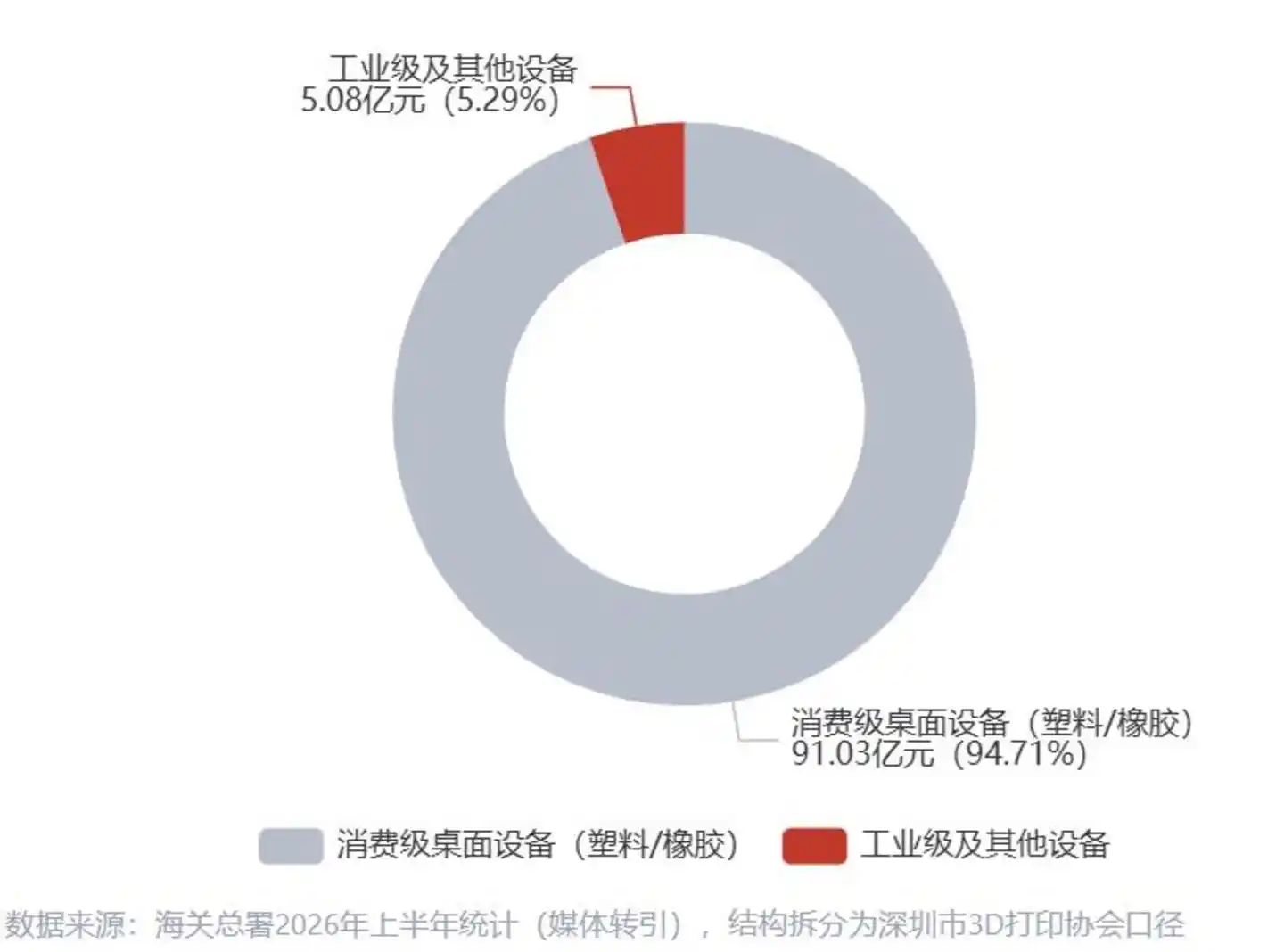
Still, the composition of those exports remains heavily skewed. Of the 3.62 million units shipped abroad, desktop plastic printers made up 99.99% of the volume and contributed 94.7% of the 9.611 billion yuan in export value. Industrial metal systems, which better represent high-end manufacturing exports, accounted for only 760 units and 325 million yuan.
In other words, the export surge is still led by consumer-grade hardware. Industrial systems are growing faster, but they are not yet the main revenue engine.
Production data also pointed higher. Under National Bureau of Statistics methodology, output of 3D printing equipment rose 48.5% in the first half. The China Business Industry Research Institute estimated China’s 3D printing market at roughly 70 billion yuan in 2025, up about 30% year over year, and forecast 86.2 billion yuan for 2026. By comparison, Wohlers Report 2026 put the global additive manufacturing market at $24.2 billion in 2025, up 10.9%, with system sales rising only 3.6%.
The article said China’s market is growing at more than twice the global pace. But that warmth has not fully reached income statements. In a sample of 24 companies with the strongest exposure to the 3D printing sector, median first-half revenue growth was 15.2%, while nine recorded either profit declines or losses.
Farsoon accelerated while Bright Laser slowed
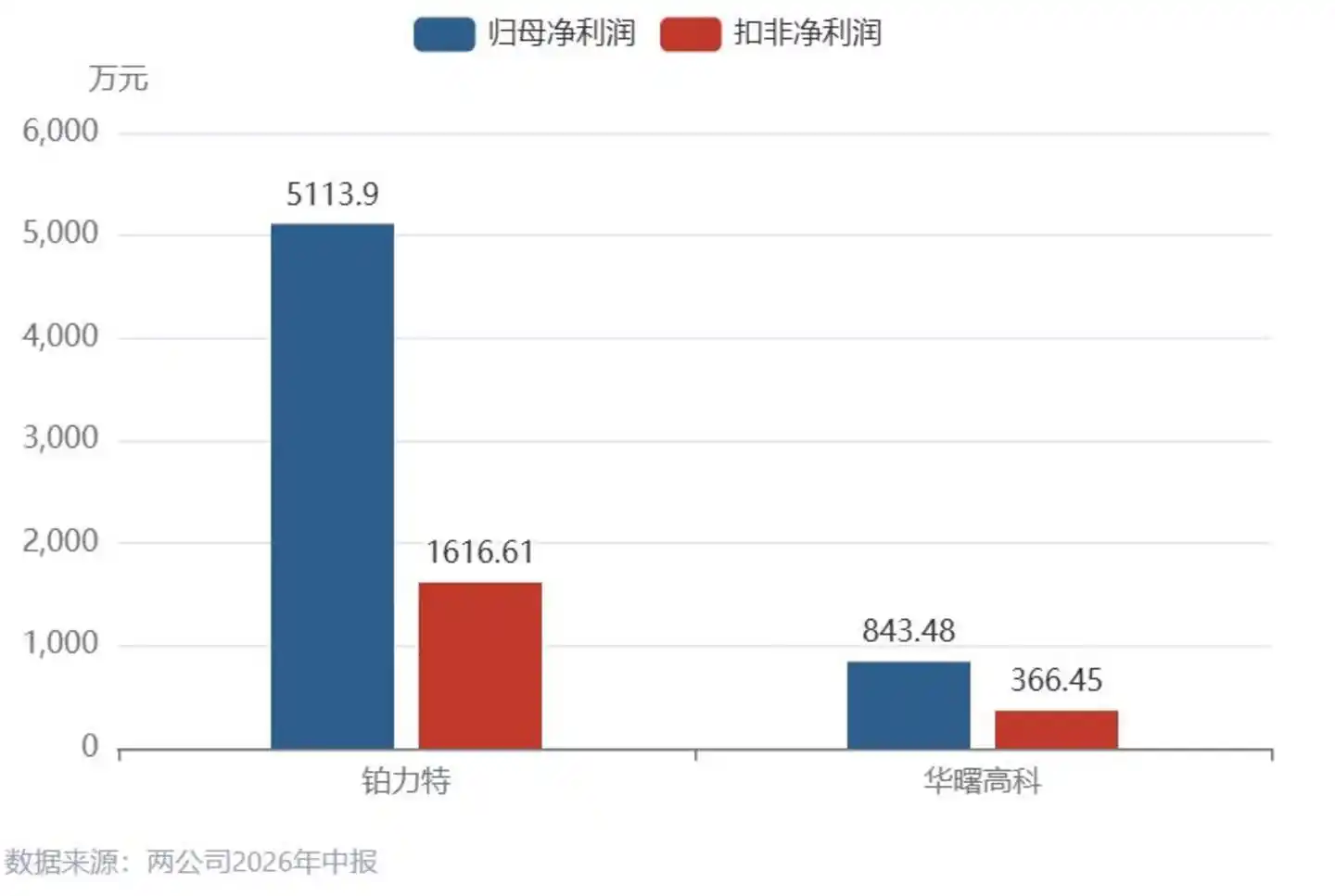
Farsoon reported first-half revenue of 341 million yuan, up 42.27% year over year. Net profit attributable to shareholders was 8.4348 million yuan, up 87.09%, while net profit excluding non-recurring items was 3.6645 million yuan, up 115.78%.
Its second quarter showed the clearest acceleration. Q2 revenue reached 211 million yuan, up 86.1% from a year earlier, compared with 2.84% growth in the first quarter. Equipment revenue came in at 271 million yuan, up 52%, accounting for 79.6% of total revenue. Overseas revenue was 77.94 million yuan, up 74%, making up 22.9% of total revenue.
Bright Laser’s trend moved the other way. The company posted first-half revenue of 770 million yuan, up 15.46%, but net profit attributable to shareholders fell 32.99% to 51.139 million yuan. Net profit excluding non-recurring items dropped 62.72% to 16.1661 million yuan.
Its revenue growth was front-loaded. First-quarter revenue rose 43.57%, but second-quarter revenue growth slowed to just 0.95%.
Profit quality also drew attention. Of Bright Laser’s 51.139 million yuan in attributable net profit, 34.97 million yuan came from non-recurring items, including 29.48 million yuan in government subsidies. That means roughly 68% of the reported profit was unrelated to core operations.
The difference in customer mix helps explain the split. Farsoon is tied more closely to exports and the consumer electronics supply chain, where equipment orders can move quickly. Bright Laser relies more on aerospace and military customers. In the first half, Bright Laser’s aerospace revenue reached 429 million yuan, up 43.03%, accounting for 55.75% of total revenue, while revenue from its industrial segment fell 9.76%.
The overseas numbers are just as telling. In the same period, Farsoon’s overseas revenue rose 74%, while Bright Laser’s overseas revenue fell 46.42% to 37.5 million yuan.
Margins and cash flow remained under pressure. Bright Laser’s gross margin was 39.04%, down 3.14 percentage points from a year earlier. Financial expenses surged 580.6% to 20.33 million yuan, as both foreign-exchange losses and interest costs increased, alongside bad debt losses. Operating cash flow was negative 174 million yuan, compared with negative 302 million yuan a year earlier. Accounts receivable stood at 1.352 billion yuan and inventory at 1.635 billion yuan, together making up more than one-third of total assets.
Farsoon’s operating cash flow was also negative, at 79 million yuan, with outflows increasing by 55.09 million yuan year over year. The report linked that mainly to inventory building and capacity expansion.
Across the supply chain, the pattern is similar: stocking inventory, adding capacity, and extending receivables. Profit growth has not yet turned into cash in hand.
Valuation math points to different expectations
Using figures cited in the report, Farsoon’s market capitalization of about 37.8 billion yuan compares with full-year 2025 revenue of 715 million yuan, implying a price-to-sales ratio of roughly 53x. Its trailing twelve-month price-to-earnings ratio is about 518x. On a non-recurring-adjusted basis, trailing profit of roughly 59 million yuan would imply about 637x earnings.
Bright Laser, with a market capitalization of about 32.3 billion yuan and 2025 revenue of 1.852 billion yuan, trades at about 17x sales. Its trailing P/E is roughly 181x, or about 264x on an adjusted basis.
The article argued that Farsoon’s valuation rests on the assumption that several growth drivers all land as planned. If the market were willing to assign a high-end equipment company a 10x sales multiple in 2030, Farsoon would need revenue of around 3.8 billion yuan by then. Starting from 715 million yuan in 2025, that would require a five-year compound annual growth rate of 40%.
The report listed four conditions behind that math: Apple-related orders need to materialize, export growth needs to continue, the 3.91 billion yuan private placement capacity plan needs to be absorbed smoothly, and service revenue needs to scale on time.
Bright Laser is priced on a different set of assumptions. The article said the market is still valuing the company on a long-term narrative centered on commercial aerospace volume growth and full-industry-chain positioning. It added that broker research places Bright Laser’s market share in commercial aerospace metal 3D printing at more than 40%, ranking second worldwide behind Germany’s EOS.
The report also referred to a 2020 restricted-stock incentive plan at Bright Laser that required revenue to grow at a 30% compound rate from 2019. In hindsight, it said, that requirement was widely viewed by the market as a deeper factor behind aggressive revenue recognition, later accounting error corrections, and the company becoming the subject of a China Securities Regulatory Commission investigation.
Valuation gaps inside the broader sector are also wide. Based on Sept. 14 closing data cited in the article, Chunli Medical traded at 18.75x trailing earnings and Medprin Regenerative Medical at 28.37x, far below the multiples assigned to Farsoon and Bright Laser.
Four fronts in the contest
The report described the rivalry between Bright Laser and Farsoon as unfolding across four lines at once.
Customer structure
Farsoon depends more on overseas equipment orders and growth from consumer electronics, bringing higher elasticity and higher volatility. Bright Laser is more closely tied to aerospace and military clients, offering more certainty but less control over timing.
Profit quality
Bright Laser’s adjusted net profit fell 62.72%, but its operating cash flow improved from negative 302 million yuan to negative 174 million yuan, and Q2 gross margin rose 3.08 percentage points from the prior quarter to 40.34%.
Farsoon’s attributable net profit was 8.43 million yuan, while adjusted net profit was only 3.66 million yuan. The article added that even after excluding share-based payment impact, profit was only 44.59 million yuan. Research and development expenses were 69.4 million yuan, equal to 20.4% of revenue.
Valuation logic
Farsoon’s premium is tied to expectations around Apple supply chain participation and exports. Bright Laser’s premium reflects its position as a military-industrial leader with a full-chain manufacturing setup. The article also said Bright Laser carries a governance discount that Farsoon does not share. On Dec. 31, 2025, the company was investigated by the China Securities Regulatory Commission on suspicion of illegal information disclosure, and that investigation was still ongoing at the time of the report. In July, it also received a warning letter from the Shaanxi bureau of the regulator for cash management of raised funds beyond approved limits.
Capacity expansion
At the end of April, Bright Laser announced that it had raised planned total investment for its large-scale intelligent metal additive manufacturing production base to 3.105 billion yuan from 2.449 billion yuan. In August, its 1 billion yuan powder base in Xixian New Area entered trial production, with planned annual output of 3,000 to 4,000 tons.
Farsoon is pushing ahead with a 3.91 billion yuan private placement plan aimed at equipment expansion, a printing services platform, and a global operations center.
Apple remains an unconfirmed variable
The article singled out Apple as a factor the market is watching closely.
According to the report, Apple has confirmed that the casings of the Apple Watch Ultra 3 and titanium Series 11 models are made using 3D-printed titanium processes. It cited process details including 50-micron recycled titanium powder, six lasers operating simultaneously, and about 20 hours of printing time per casing. It also said the process cuts material use in half versus traditional subtractive manufacturing and saved more than 400 tons of titanium in 2025 alone.
The article added that John Ternus, whose background is in hardware engineering, became Apple chief executive officer on Sept. 1, and the appointment document listed the Ultra 3 3D printing process among his representative contributions.
Even so, Apple has not disclosed any equipment supplier list. The report said talk of Chinese equipment makers entering Apple’s supply chain remains at the level of market speculation. Both Bright Laser and Farsoon have been mentioned, but neither has been confirmed.
What the market is really pricing
The comparison shows two very different ways investors are valuing the same industry.
Bright Laser has stronger scale in commercial aerospace, a full-chain layout, and a global No. 2 position in its segment, but its earnings profile still depends heavily on customer timing, and the regulatory investigation remains unresolved.
Farsoon offers more export leverage and more direct exposure to the consumer electronics narrative. The report said its asset-liability ratio is 26%, with interest-bearing debt below 10 million yuan. But its profit base is small, and a trailing multiple of 518x leaves little room for execution misses.
The article said the next two quarters will be especially important. For Bright Laser, investors are watching whether the Q2 gross-margin recovery to 40.34% continues, whether revenue rebounds on timing or weakens on demand, and when the investigation reaches a conclusion. For Farsoon, attention is on whether 74% overseas revenue growth can be sustained and whether Apple-related expectations turn into signed contracts.
The race for the title of China’s leading listed 3D printing company is now a direct reflection of a broader market question: when does a growth story turn into an income statement?