
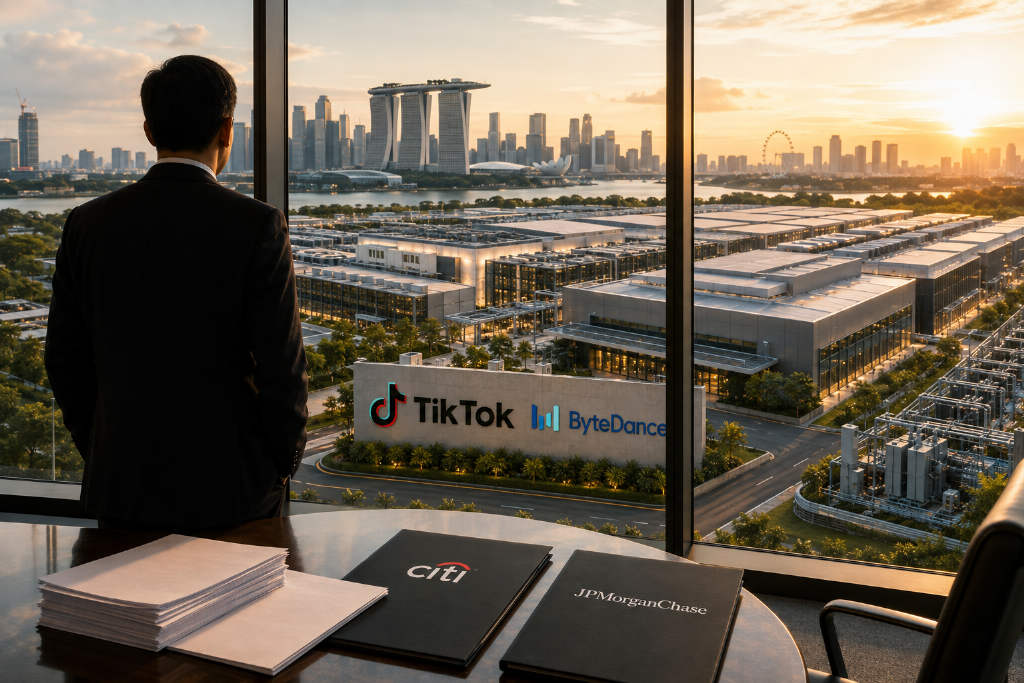
ByteDance, the parent company of TikTok, has secured a $29.6 billion loan from nearly 30 banks as it increases spending on artificial intelligence.
Reuters, citing people with direct knowledge of the transaction, reported that strong lender demand allowed ByteDance to raise the dollar-denominated facility from an initial $20 billion target.
Banks across multiple regions joined the deal
Banks from China, the United States, Europe, and Singapore are participating in the loan, according to the Reuters report. Citigroup and JPMorgan coordinated the financing. One source said Chinese banks subscribed to more than 60% of the total.
"It is very rare to see such a mega loan unsecured," one source told Reuters. "The banks practically are counting purely on ByteDance's name."
Loan structure and intended use
ByteDance reportedly told lenders that the three-year loan, which can be extended by two years, was for general corporate purposes. Reuters’ sources said the money would mainly fund overseas AI projects, including data center capacity in Southeast Asia.
Part of a broader AI spending wave
ByteDance’s loan comes after a stretch of heavy investment across the AI sector.
A January 2025 report said the company planned to spend up to $12 billion on chips and overseas infrastructure, though ByteDance disputed those figures. Two months later, OpenAI secured a $40 billion funding round led by SoftBank. In a separate August survey of mobile AI usage, ByteDance’s Doubao ranked fourth. SoftBank later sold its $5.83 billion Nvidia stake to help finance its OpenAI investment.
Price competition and tighter rules in China
Chinese developers are also competing on price. DeepSeek and Xiaomi sharply cut the cost of their AI models in May, widening the pricing gap with leading American systems.
ByteDance is expanding its AI footprint as Beijing tightens oversight of the sector. In July, the company removed customizable agents from Doubao ahead of new restrictions on humanlike AI services. Chinese officials have also discussed limiting overseas access to advanced domestic AI models, a move that could complicate ByteDance’s international plans.