
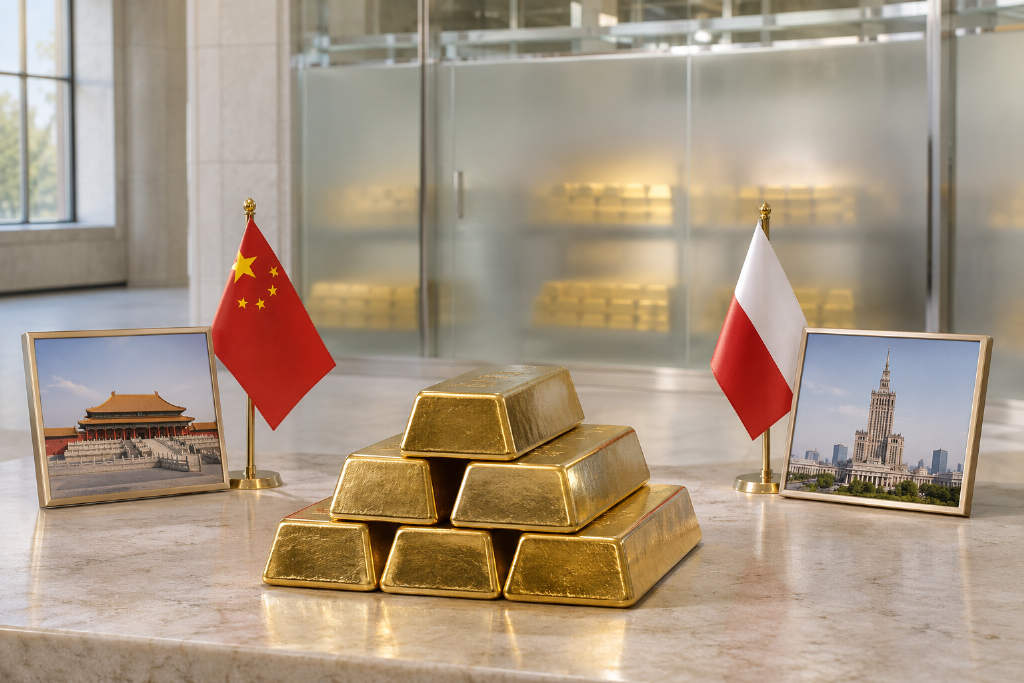
Global central banks and other official institutions are estimated to have bought a net 321 metric tonnes of gold in the third quarter, according to the World Gold Council’s Gold Demand Trends: Q3 2026 report, released on November 3. The figure was 42% higher than a year earlier and exceeded the five-year quarterly average.
Stronger buying in the second and third quarters offset the relatively subdued activity seen at the start of the year. Official-sector net purchases reached 675 tonnes in the first three quarters, up 6% from the same period in 2025 and above the comparable total from last year.
Quarterly purchases exceed the five-year average
Estimates from the World Gold Council and Metals Focus put third-quarter net purchases 8% above the roughly 296 tonnes recorded in the second quarter. The latest total also exceeded the five-year quarterly average of 227 tonnes. After central banks returned to larger-scale buying in the second quarter, the pace continued through the third.
The accumulation did not take place in a low-price environment. Although the quarterly average gold price had retreated from its first-quarter peak, gold remained at historically high levels. The World Gold Council said lower prices and reduced volatility may have supported some buying in the second and third quarters, while reserve diversification and long-term risk management remained the main drivers of official demand.
China and Poland lead publicly disclosed buying
Among countries that disclosed their activity, the People’s Bank of China added 63 tonnes of gold in the third quarter, while Poland’s central bank bought 40 tonnes. The two buyers followed different patterns. China accelerated its purchases, with more than half of its cumulative buying for the year taking place in the quarter. Poland, by contrast, slowed from 51 tonnes in the second quarter.
Reported net purchases totaled about 120 tonnes in the third quarter, but that figure represented only part of overall demand. Undisclosed activity was estimated to account for roughly 63% of total third-quarter demand. The category may include delayed reporting or transactions that were not made public. China and Poland therefore led the disclosed purchases, while publicly available country data did not capture all official-sector activity.
Some central banks reduced their holdings. Russia’s reported gold holdings fell by 19 tonnes, the most notable decline in the disclosed data for the quarter. Qatar, Kyrgyzstan and the United Arab Emirates recorded smaller reductions.
Reserve diversification remains the main buying rationale
The World Gold Council linked the stronger buying in the second and third quarters with a retreat in quarterly average prices from the first-quarter peak and lower price volatility. Those conditions may have created some room for purchases, but the report continued to identify long-term reserve allocation as the primary reason for buying.
Buyers including China, Poland and the Czech Republic continued multi-year accumulation trends despite gold prices remaining at historically high levels. For these reserve managers, gold purchases involve more than the entry price. They also concern the diversification of reserve assets and the management of long-term risk. Continued buying in the second and third quarters made this allocation demand an important source of gold-market purchases this year.



