
The U.S. Commodity Futures Trading Commission has ordered Kalshi not to cancel certain completed customer trades in response to a Michigan court demand, stepping directly into the growing legal clash between the federal regulator and state authorities over prediction markets.
In its order issued Tuesday, the CFTC said a state court has no authority to require a federally regulated trading platform to violate the Commodity Exchange Act. The move places the agency squarely in Kalshi’s dispute with Michigan and reinforces its position that prediction markets fall under federal oversight.
CFTC says federal law governs Kalshi’s trading activity
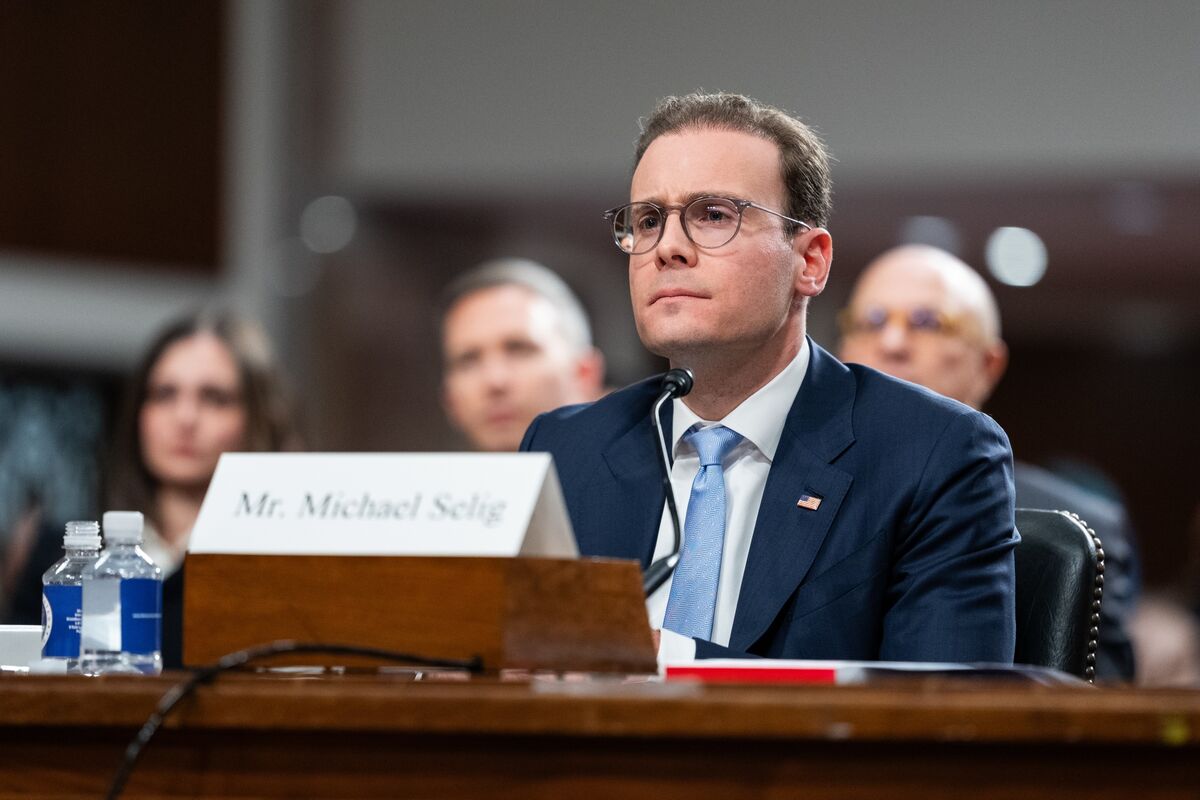
CFTC Chair Mike Selig said in a statement that the commission will not allow state governments or state courts to “coerce” registered entities into violating the Commodity Exchange Act or CFTC rules.
He said Kalshi is a designated contract market, or DCM, approved by the CFTC, and that its trading activity should be governed entirely by federal regulations. Since taking office, Selig has backed the development of prediction markets, pledged to build a friendlier regulatory environment and repeatedly argued in public that the CFTC holds exclusive jurisdiction over the sector, leaving no room for individual states to step in on their own.
Conflict between the CFTC and states keeps widening
In recent years, several U.S. states have argued that event contracts offered by prediction market platforms amount to illegal gambling. On that basis, they have sought to shut down operations by Kalshi and similar venues through bans or penalties. In response, the CFTC has filed lawsuits against multiple state governments.
According to the report, Michigan is the first state to attempt direct interference with market trading activity itself. Selig said an order to unwind already matched trades is unprecedented. He added that such a step could trigger knock-on effects across the broader market and damage “contract certainty,” which he described as necessary for normal market functioning.
Kalshi sought emergency guidance on July 2
The dispute traces back to June, when a Michigan circuit court, acting on a request from the state attorney general, ordered Kalshi to stop offering online sports event prediction contracts within the state. The court later went further, directing Kalshi to void, cancel and refund certain completed trades involving Michigan users.
Kalshi then filed an emergency application with the CFTC on July 2, asking the federal regulator to clarify whether it should comply with the state court’s order.
The CFTC ultimately told Kalshi not to compromise. In its order, the agency said allowing executed trades to be canceled after the fact would “undermine public confidence” and leave traders fearful that transactions completed today could somehow be reversed a week or even a year later.