
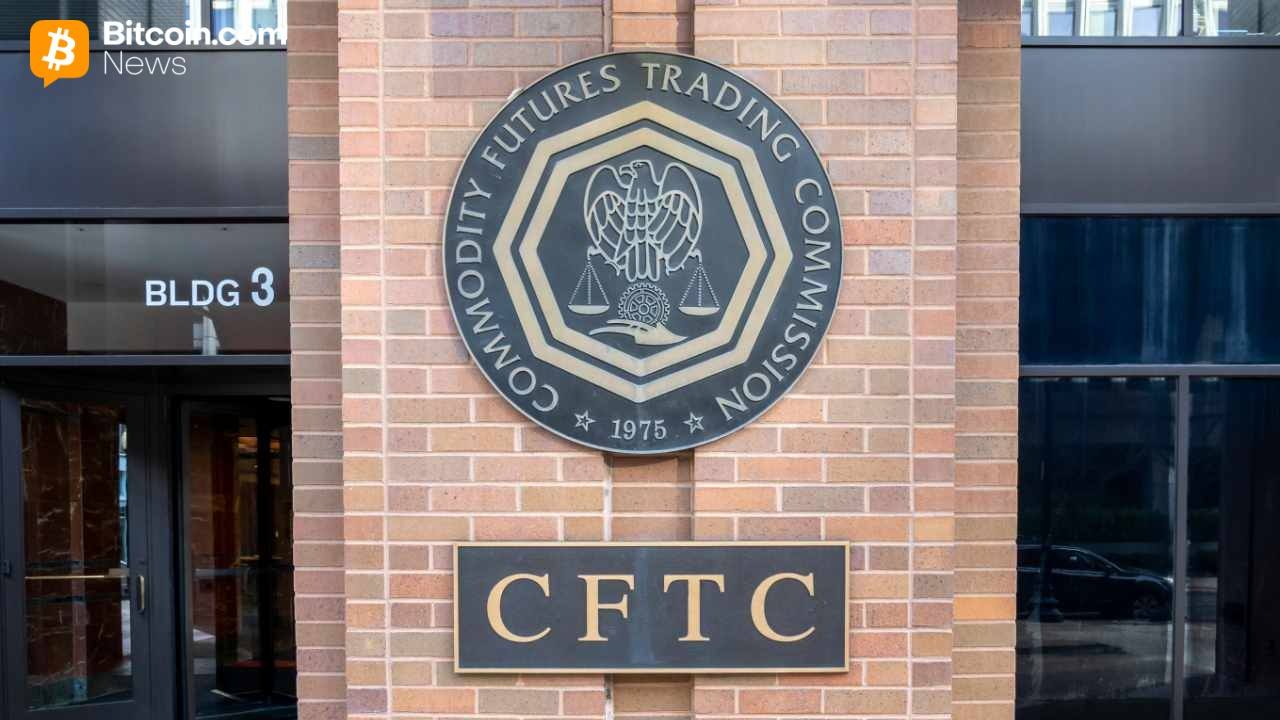
The Commodity Futures Trading Commission (CFTC) on April 10 named the five initial members of its Innovation Task Force, turning a March organizational pledge into concrete personnel action. Chairman Michael S. Selig called the team “a leading group that exhibits deep expertise and an enthusiastic commitment to deliver clear rules of the road for American innovators.” The selection underscores the agency’s shift from broad policy statements to specialist-driven rulemaking.
Task Force Members Bring Diverse Legal and Crypto Backgrounds
Senior advisor Michael J. Passalacqua leads the task force. The five appointees span private practice and internal agency experience: Hank Balaban (Latham & Watkins, digital assets); Sam Canavos (Patomak Global Partners, crypto and prediction markets advisory); Mark Fajfar (CFTC veteran with over 10 years inside the agency); Eugene Gonzalez IV (Sidley Austin, blockchain and fintech); and Dina Moussa (Market Participants Division, federal court experience). Their combined expertise covers legal counseling, regulatory compliance, and enforcement insight directly relevant to emerging tech.
The mandate focuses on three pillars: crypto assets and blockchain, artificial intelligence and autonomous systems, and prediction markets and event contracts. By naming specific individuals with hands-on experience in these domains, the CFTC signals it intends to craft rules that reflect market realities rather than abstract theories. The task force will collaborate with the Innovation Advisory Committee and the full Commission to produce a coherent regulatory framework.
Interagency Coordination with SEC and Focus on Prediction Markets
A notable element is the explicit mention of coordination with the U.S. Securities and Exchange Commission (SEC) on innovation-related initiatives. This could reduce jurisdictional friction, particularly around whether certain tokens are commodities or securities. Chairman Selig previously noted that a clear framework would “foster responsible innovation at home and ensure American market participants are not left on the sidelines.”
Including prediction markets in the task force’s scope is significant. Platforms like Polymarket and Kalshi have operated in legal gray zones. The appointment of Canavos, who advised prediction market firms, suggests the CFTC is preparing to draw a line between permissible derivatives and illegal gambling through regulatory guidance rather than waiting for Congress.
Industry reactions have been cautiously positive. Crypto advocacy group Coin Center praised the selection of practitioners over academics, arguing it would lead to “enforceable rules.” However, some lawyers cautioned that a five-person team may struggle to keep pace with rapidly evolving AI and DeFi products. The CFTC is effectively betting that specialized human capital can prevent regulatory bottlenecks before they emerge.