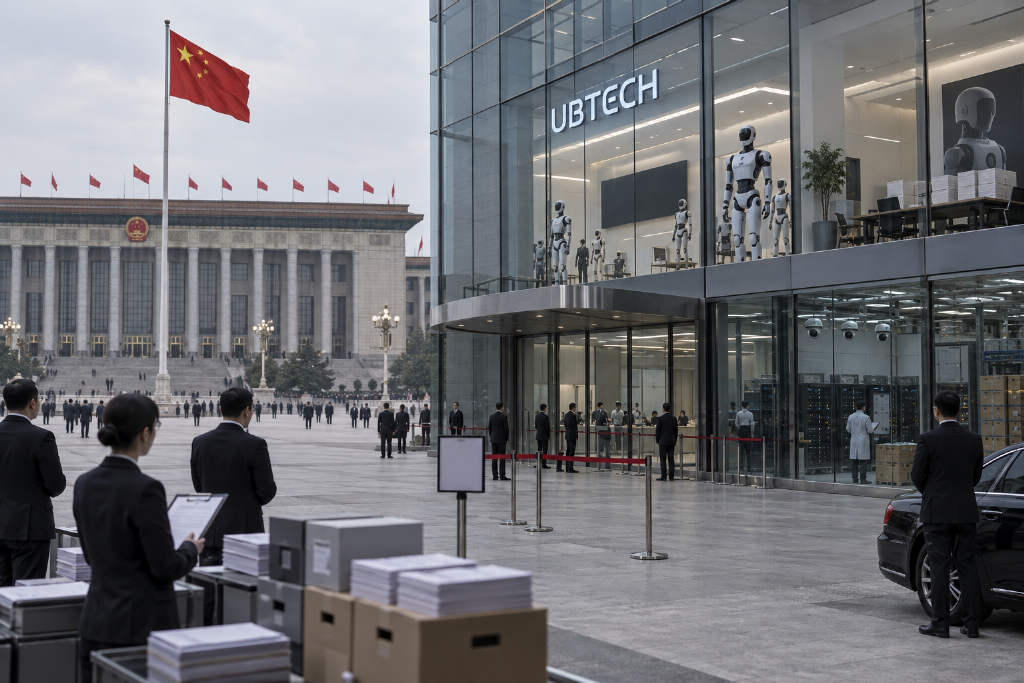
China tightens IPO scrutiny for humanoid robot firms, with data-collection center revenue under review

China tightens IPO scrutiny for humanoid robot firms, with data-collection center revenue under review

N
News Editor
2026-09-21 04:24:38
China is tightening initial public offering scrutiny for humanoid robot companies, according to Reuters, which cited multiple people familiar with the matter. Regulators have used informal "window guidance" to slow the listing process for some companies and raise the bar for approval. One source said relevant IPOs are effectively on hold for now, while another said there is no formal ban and that the move should be seen as a sector-specific tightening rather than a blanket suspension. The main focus is revenue quality. Regulators are examining whether orders booked through local government-backed data-collection centers and joint ventures reflect genuine demand from independent customers or rely mainly on continued support from local projects. In some cases, local governments were said to have covered 80% to 90% of the initial investment. One person close to robot investors estimated that if revenue tied to data-collection centers were excluded, valuations for some robot companies could fall by 60% to 70%. Reuters said regulators are now placing more weight on whether robots have actually entered factories, whether companies have recurring orders, and whether revenue can be reproduced on a sustained basis. The report also pointed to earlier warning signs in the sector, including Unitree's post-listing share performance and recent public criticism from Megvii-backed Mech-Mind CEO Shao Tianlan, which Galaxy General later denied.

China is tightening IPO scrutiny for humanoid robot companies, Reuters reported, citing multiple people familiar with the matter. Regulators have used informal "window guidance" to slow the listing process for some companies and raise the review threshold.

Accounts differ on how far the move has gone. One person said the relevant IPOs are effectively on hold at the moment. Another said there is no formal ban and described it instead as tighter oversight aimed at the sector. The China Securities Regulatory Commission did not respond to a request for comment.

Revenue from data-collection centers is under the microscope

Regulators are focusing on the quality of revenue reported by robot companies. Some firms have secured large orders through local government-backed data-collection centers and joint-venture projects. In some of those projects, local governments were said to have covered 80% to 90% of the initial investment.

Regulators are asking whether that revenue comes from real demand by independent customers or whether it depends mainly on continued support from local projects.

One person close to robot investors estimated that if revenue linked to data-collection centers were stripped out, valuations for some robot companies could drop by 60% to 70%.

Review standards now center on factory adoption and repeatable revenue

Reuters said regulators are now placing more weight on whether robots have actually made their way into factories, whether companies have ongoing orders, and whether their revenue can be generated repeatedly.

Earlier warning signs had already emerged in the sector

The report said warning signs had already appeared. Unitree shares surged more than fivefold at one point on their first trading day, then fell 55% from their peak.

Earlier this month, Mech-Mind CEO Shao Tianlan publicly questioned whether some embodied AI companies were creating unsustainable revenue through data-collection centers and related-party transactions, and named Galaxy General. Galaxy General later denied the allegation.

This article was originally published by Bit.Fan. For more cryptocurrency news and market insights, visit www.bit.fan.
1500

Disclaimer:

The market information, project data, and third-party content displayed on this platform are for industry information sharing only and do not constitute any form of investment advice or return commitment.

Cryptocurrency trading carries high risks. Users should fully assess their risk tolerance and make independent decisions. All profits, losses, and legal responsibilities are borne by the users themselves.