
The Market Structure: Stablecoins Are Platform Businesses with Winner-Takes-All Dynamics
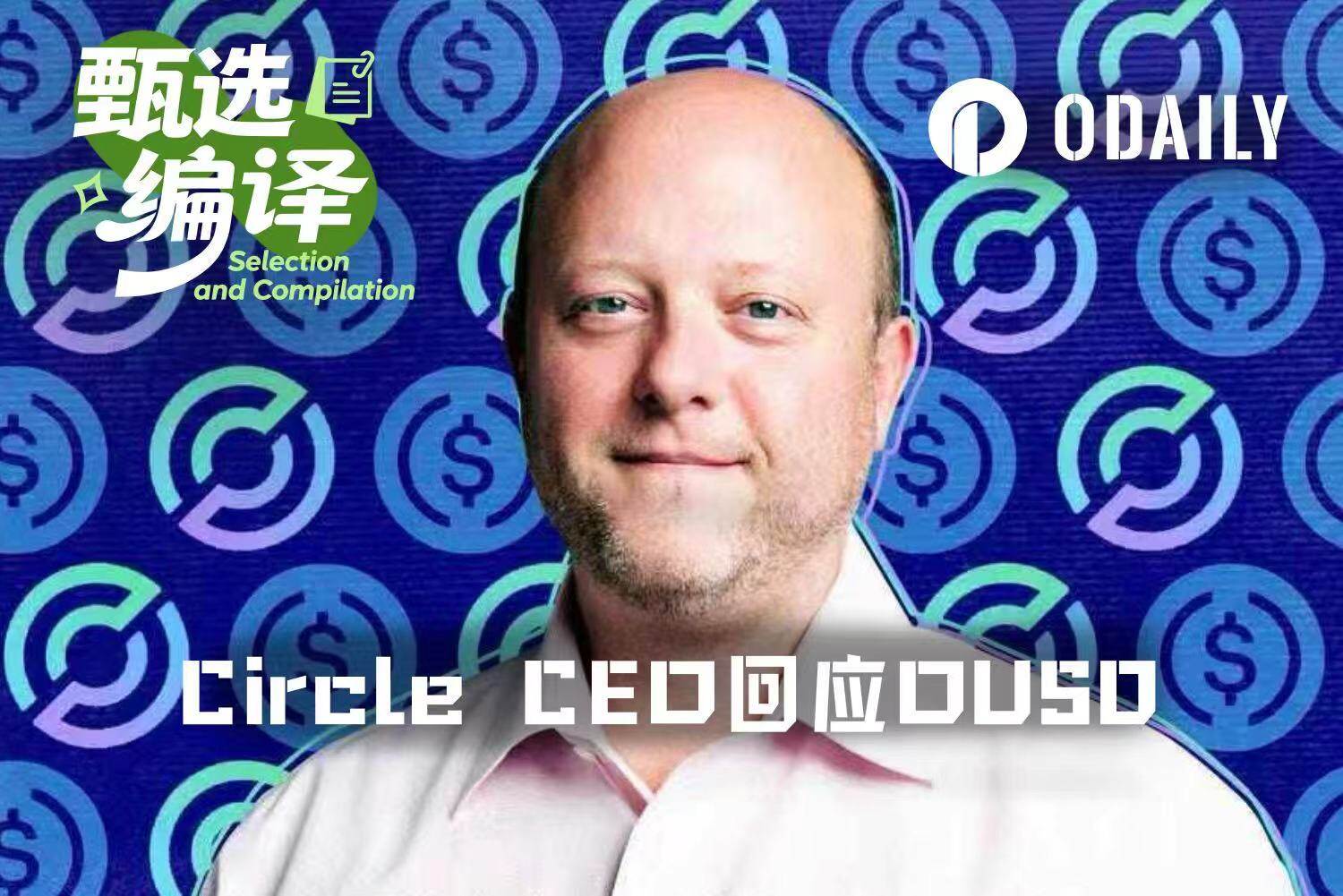
Jeremy Allaire, founder and CEO of Circle, directly addressed investor concerns regarding the newly announced Open USD (OUSD) project backed by 140 well-known enterprises. In a series of posts, he argued that stablecoin networks are platform-type businesses exhibiting strong network effects, and like many internet utility platforms, they tend toward a winner-takes-all market structure over the long term. Allaire identified three main drivers behind this trend: application integration network effects, liquidity network effects, and deep integration with policy and regulatory environments.
He explained that USDC has already integrated thousands of applications and services, providing immense utility and interoperability for developers and end users. Circle spent nearly a decade building this ecosystem, and the process is accelerating as mainstream institutions connect their customers to the network. The company further enhances the network through software protocols such as CCTP and Gateway, which promote interoperability, security, and liquidity across various chains, permissioned L2s, and government-operated networks.
Liquidity Advantage: A Decade of Infrastructure vs. New Entrants
Liquidity is foundational for stablecoin utility and scale. Allaire emphasized that USDC benefits from deep primary market liquidity (direct banking relationships across major global financial centers) and secondary market liquidity (accessible and tradable across regions for both retail and institutional clients). This liquidity network took nearly ten years to establish and is now embedded in exchanges, DeFi platforms, payment service providers, PSPs, and regional financial institutions. USDC ranks among the top three most liquid digital assets globally, alongside BTC and USDT. The next-closest dollar stablecoin is roughly one-tenth the size of USDC and often has liquidity concentrated on a single exchange order book, whereas USDC's liquidity is dispersed across dozens of platforms.

The impact of this liquidity moat is reflected in the data. According to third-party analytics firm Artemis, in Q1 2026, USDC processed nearly $30 trillion in on-chain transaction volume, representing 80% of all dollar stablecoin transactions on blockchains. USDT handled the remaining 20%, while all other dollar stablecoins combined accounted for less than 0.5% (i.e., below 0.5%). Allaire noted that although some stablecoins may show issuance figures boosted by promotional incentives, their actual usage remains negligible due to severely limited liquidity and network utility.

Regulatory Compliance: Global Licensing Barriers Are Insurmountable
Network effects also stem from deep integration with policy and regulatory frameworks. Allaire pointed out that USDC is currently the only major global stablecoin that is usable across the entirety of Europe or Japan, a result of years of effort to obtain licenses, registrations, and approvals in the world's most important markets. Circle has built a global banking, reserve management, treasury, and liquidity operation capable of functioning nearly 24/7 across multiple markets and banking systems. This regulatory first-mover advantage creates a high barrier for any newcomer attempting to challenge USDC's position on a global scale.
Counterarguments to OUSD's Claims: The Realities of Free Redemption and Consortium Governance
Allaire directly tackled OUSD's key value propositions: free minting and redemption, revenue sharing, and a governance model based on a broad consortium. Regarding free redemption, he argued that market realities often force changes in behavior. Stablecoins that offer free, accessible redemption facilities may end up functioning as the exit ramp for other stablecoins, rather than gaining organic usage. Circle addresses this through smart contract mechanisms rather than a blanket fee waiver, and has found effective solutions.

On the consortium model, Allaire expressed skepticism, stating that history shows alliance-run products often struggle with scale, product-market fit, and agility. Large groups of enterprises suffer from coordination difficulties, misaligned incentives, and slow decision-making, rarely creating space for sustained innovation and competitiveness. Circle itself experimented with a similar approach in the early days of USDC and encountered numerous challenges even with a small number of participants. He argued that smaller, tighter strategic collaborations led by product builders who can execute independently almost always outperform large consortia. Circle is committed to a "big tent mentality," expanding partnerships across exchanges, custodians, payment companies, and asset issuers to grow the USDC ecosystem collectively.

Outlook: Expanding Product Suite and Welcoming New Participants
Allaire reaffirmed that Circle's stablecoin partnership with Coinbase remains strong and that both companies see significant opportunities to expand the USDC network. Circle is diversifying its product and platform stack into areas such as Arc (a stablecoin issuance platform), CCTP (cross-chain transfer protocol), CPN (payment network), StableFX (foreign exchange settlement), and Agent Stack. The company is also collaborating with dozens of other stablecoin issuers, helping them issue on Arc, leverage interoperability infrastructure, and become settlement and FX options on CPN and StableFX. Allaire concluded by stating his strong belief in the overall growth of the stablecoin ecosystem and welcomed OUSD as a new participant in the community.