Stablecoin Market's Winner-Take-All Dynamics
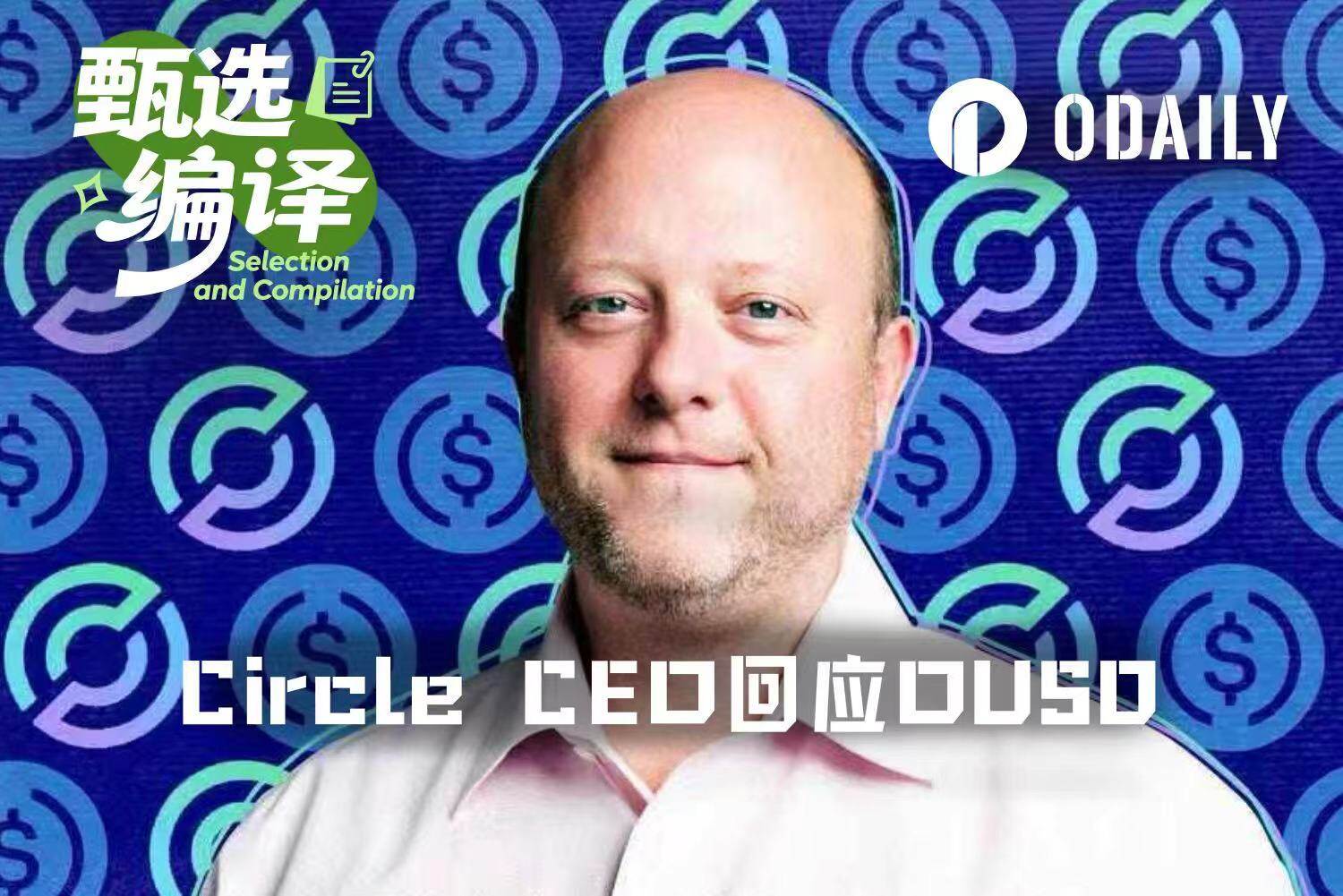
On June 30, the Open Standard project, backed by 140 global enterprises, officially announced plans to launch a new dollar-denominated stablecoin called Open USD (OUSD), directly challenging Circle's USDC. The news sent Circle (NYSE: CRCL) shares plunging over 17% at one point. The following day, founder and CEO Jeremy Allaire issued a long post on X, dissecting the competitive logic of the stablecoin market from three dimensions: network effects, liquidity, and regulatory compliance. Allaire asserted that winner-take-all is an inherent characteristic of platform-based utility markets on the internet.
Allaire cited data from Artemis, a third-party analytics firm: in Q1 2026, USDC processed nearly $30 trillion in on-chain transactions, representing 80% of all dollar-denominated stablecoin transactions on blockchains. USDT handled the remaining 20%, while all other dollar stablecoins combined accounted for less than 0.5%—despite some having notable circulating supply, their actual usage was negligible due to limited liquidity and network utility.

Network Effect 1: Application Integration and Ecosystem Scale
Allaire emphasized that the strength of a stablecoin network depends on the number of applications and services integrated. Each integration generates incremental network effects, attracting more developers and increasing utility. Circle has spent nearly a decade building tens of thousands of integrations, and is now accelerating through protocols like CCTP (Cross-Chain Transfer Protocol) and Gateway. As mainstream institutions connect their customers and users to the network, the flywheel spins faster. Allaire argued that any competitor would find it nearly impossible to replicate such a dense application ecosystem in a short time.

Network Effect 2: Liquidity Infrastructure
Liquidity begets liquidity, Allaire noted. USDC's liquidity is deeply embedded across exchanges, DeFi platforms, payment service providers, and regional venues across dozens of platforms. In contrast, competing stablecoins (roughly one-tenth the size of USDC) often have liquidity concentrated on a single exchange order book. This deep, widely distributed liquidity creates a self-reinforcing cycle: higher liquidity drives more usage, which in turn attracts more liquidity providers. Allaire stressed that this cannot be replicated quickly by incentive campaigns alone.

Network Effect 3: Regulatory Compliance and Global Footprint
Allaire highlighted Circle's multi-year investment in obtaining licenses and approvals in major markets. USDC is currently the only large global stablecoin fully usable across both Europe and Japan, and is registered and accepted in numerous other jurisdictions. This requires building global banking relationships, reserve management systems, treasury operations, and a 24/7 operational framework across time zones. Allaire positioned this as an enormous moat that new entrants would struggle to cross.

Critique of OUSD's Model: Free Redemption and Alliance Governance
Addressing OUSD's promises of free minting/redeeming and yield sharing, Allaire called them unrealistic. He noted that the entire payments industry is built on charging small bps fees at entry and exit points. Saying “unlimited free redemption” is easy, but market realities will force behavioral changes. Circle addresses redemption through contractual mechanisms rather than blanket fee waivers. Regarding OUSD's alliance model—with 140 enterprises co-governing—Allaire was blunt: “The track record of alliance-style products in achieving scale, product-market fit, or even basic product agility is absolutely disappointing.” He revealed that Circle itself attempted alliance structures in USDC's early days and faced numerous challenges. Smaller, tighter strategic collaborations led by independent product builders almost always outperform large consortia. Allaire concluded by welcoming OUSD as a new entrant while reaffirming Circle's commitment to expanding USDC's ecosystem with a “big tent mentality,” including ongoing partnership with Coinbase and dozens of other stablecoin issuers.