
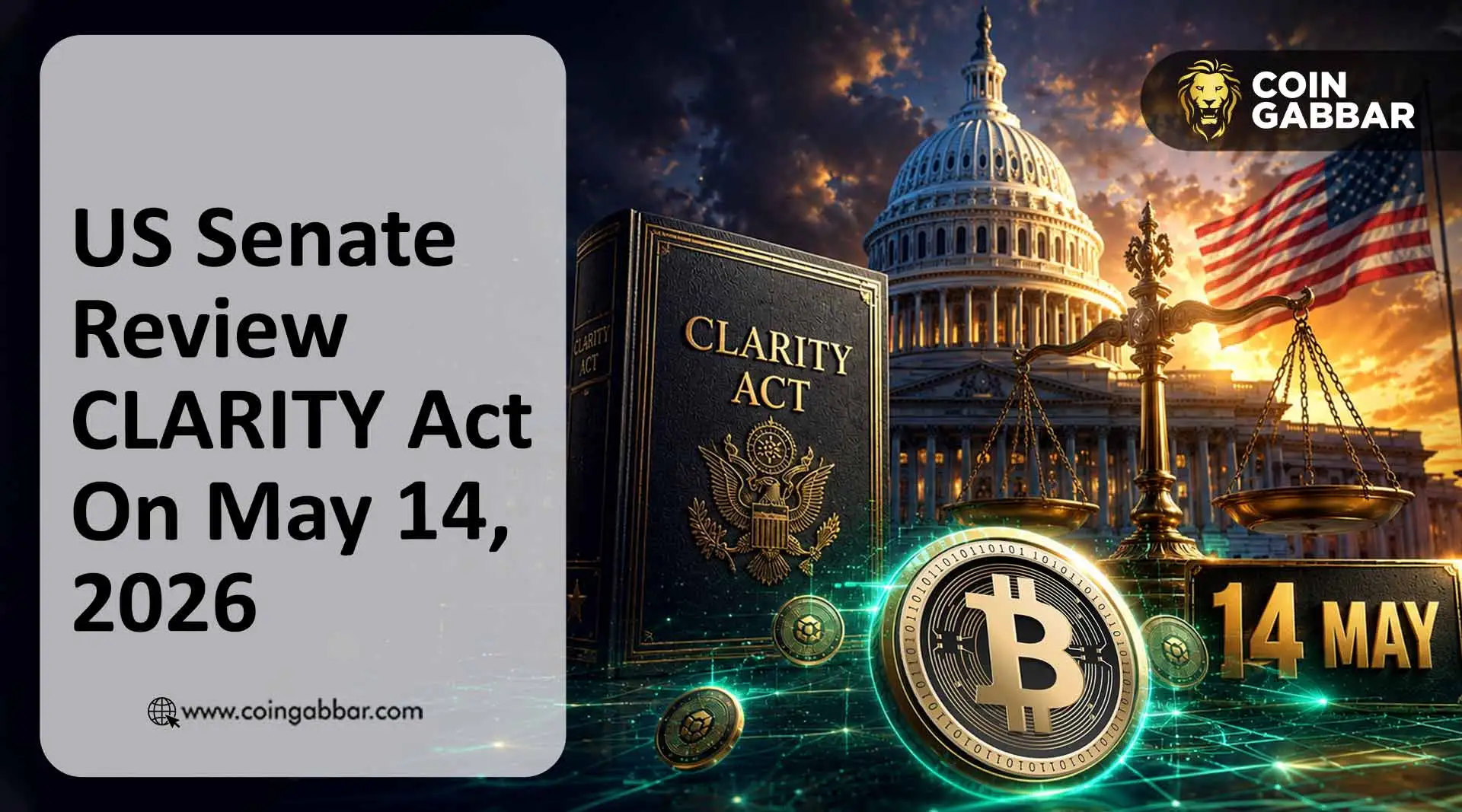
The U.S. Senate Banking Committee has scheduled a markup session for the CLARITY Act (Digital Asset Market Clarity Act) on May 14 at 10:30 a.m. ET. After months of delays, the bill—already passed by the House in 2025—faces a critical committee vote that could clear the path to a Senate floor vote as early as June.
Bill Breakdown: SEC vs. CFTC, DeFi Safe Harbor, Anti-CBDC
The CLARITY Act splits crypto oversight: security-like tokens fall under SEC authority, commodity-style assets under CFTC jurisdiction. Additional provisions include DeFi safe harbor protections, anti-central bank digital currency measures, stablecoin framework rules, and new market structure guidelines. Proponents argue the legislation would replace years of enforcement-driven regulation that left firms in legal limbo.
Senator Kirsten Gillibrand warned at Consensus that there would be “no deal” without insider trading restrictions and Trump-family ethics provisions. CFTC Chair Mike Selig publicly called for “immediate passage.” White House crypto adviser Patrick Witt also expressed optimism this week.
Banking Lobby Fights Stablecoin Yield Caps
Industry groups are pushing last-minute changes before the vote. The American Bankers Association opposes yield-bearing stablecoins, fearing they could drain deposits from traditional banks and reduce lending capacity. Critics describe the lobbying as “the banking cartel trying to stop cryptocurrency.” Some social media posts claim President Trump would not allow banks to sabotage the legislation, citing his goal to make the U.S. the “crypto capital of the world.”
Prediction Markets Show Rising Confidence
Polymarket traders now assign a 75% probability that the CLARITY Act becomes law in 2026, up roughly 10 percentage points recently. Coinvo reports an even higher 89% probability for passage this year, linking the jump to Senate momentum. Traders believe regulatory clarity would reduce legal uncertainty for exchanges, token issuers, and DeFi platforms.
Two Paths After the Vote
If the bill passes the committee: exchanges, stablecoin issuers, and DeFi projects would gain clearer compliance rules; institutional adoption could accelerate; Bitcoin and major altcoins might see a sentiment boost. However, compliance costs and reporting requirements would also rise.
If the bill fails: the U.S. could face a prolonged regulatory vacuum, with the SEC continuing aggressive enforcement; institutional adoption would slow; short-term market reactions could be negative. The legislative timeline could slip past the August recess and into the 2026 election cycle.
The May 14 vote will determine whether U.S. crypto regulation moves toward a legal framework or remains mired in enforcement-led uncertainty. The Senate Banking Committee will deliver the first verdict.