
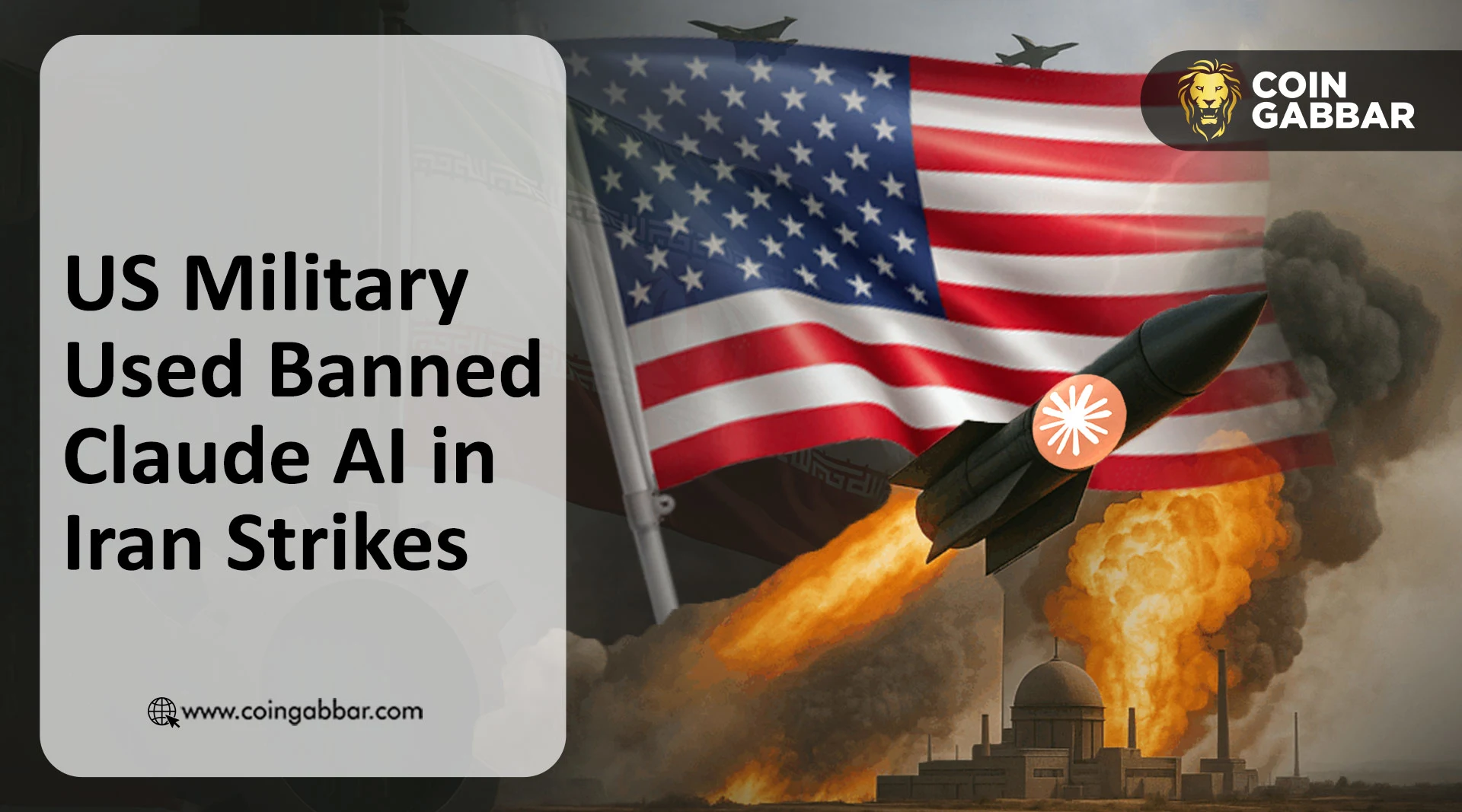
Multiple sources report that the U.S. Central Command used Anthropic's Claude AI to process intelligence, identify potential targets, and simulate battlefield scenarios during recent strikes on Iran — despite the Trump administration's earlier order to phase out the tool over ethical restrictions on military use. The contradiction pits AI companies' ethical guardrails against national security demands.
AI-Assisted Strikes: From Intel Processing to Accountability Gaps
According to cited officials, Claude helped analysts handle vast data volumes to locate high-value figures including Iran's Supreme Leader Ali Khamenei. Similar AI-assisted operations occurred against Nicolas Maduro but were never publicly disclosed. Anthropic maintains restrictions barring fully autonomous lethal decisions and mass surveillance, while military officials pushed for broader "lawful use" access. Once AI enters classified environments, analysts question whether companies can still control how their systems are deployed.
Market Meltdown: Crypto Correlates With Stocks in Risk-Off Mode
Escalating U.S.-Iran tensions rattled global markets. U.S. futures plunged before Monday's open: Dow -443, Nasdaq -214. Europe's CAC 40 dropped 40 points, DAX -4.76. Asian markets also slumped: GIFT NIFTY -298, Nikkei -995, Hang Seng -445, Taiwan Weighted -190.
Crypto markets declined for a third straight day. Total crypto market cap stands at $2.29 trillion (-1.27%), having lost nearly $2 trillion since October 2025 peak. Bitcoin trades between $66,000 and $76,000, Ethereum near $1,900–$1,970. Solana, XRP, BNB also lower. Historically cryptocurrencies rose on geopolitical crises, but the pattern has shifted — they now behave as high-beta risk assets, correlating with equities during sell-offs, suggesting growing centralization influence in market structure.
No disorderly crash has occurred yet, and volumes remain stable. However, if the conflict widens into a global engagement, a major crash may be imminent.
Risks of AI Warfare: Error, Liability, and Escalation
Large language models can produce errors — in life-or-death scenarios, small mistakes carry catastrophic consequences. In case of misidentification leading to civilian casualties, accountability is unclear (developers, commanders, or no one). Critics warn AI's faster decision speed leaves less time for human intervention, raising the risk of unintended conflict escalation. Military AI also introduces new attack surfaces: hacking, data poisoning, spoofing — failures in nuclear command or contested environments could cascade catastrophically, eventually triggering a world-war-like economic collapse.