

Coinbase Chief Executive Officer Brian Armstrong said on X on July 13 that Base’s content-coin strategy failed after running for more than a year. "It didn't work, we've pivoted earlier this year. We messed up, and it's time to move on," he wrote.
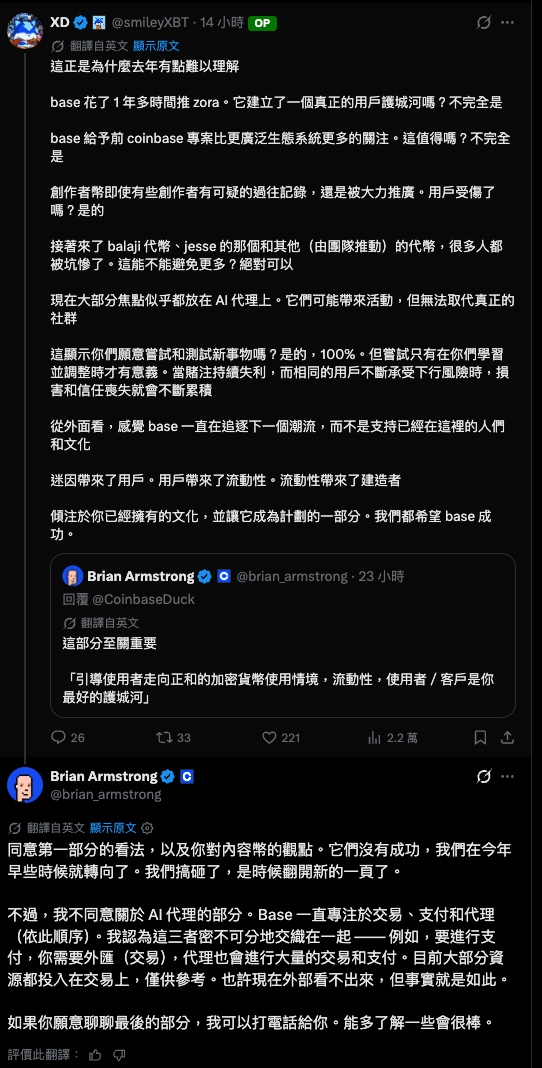
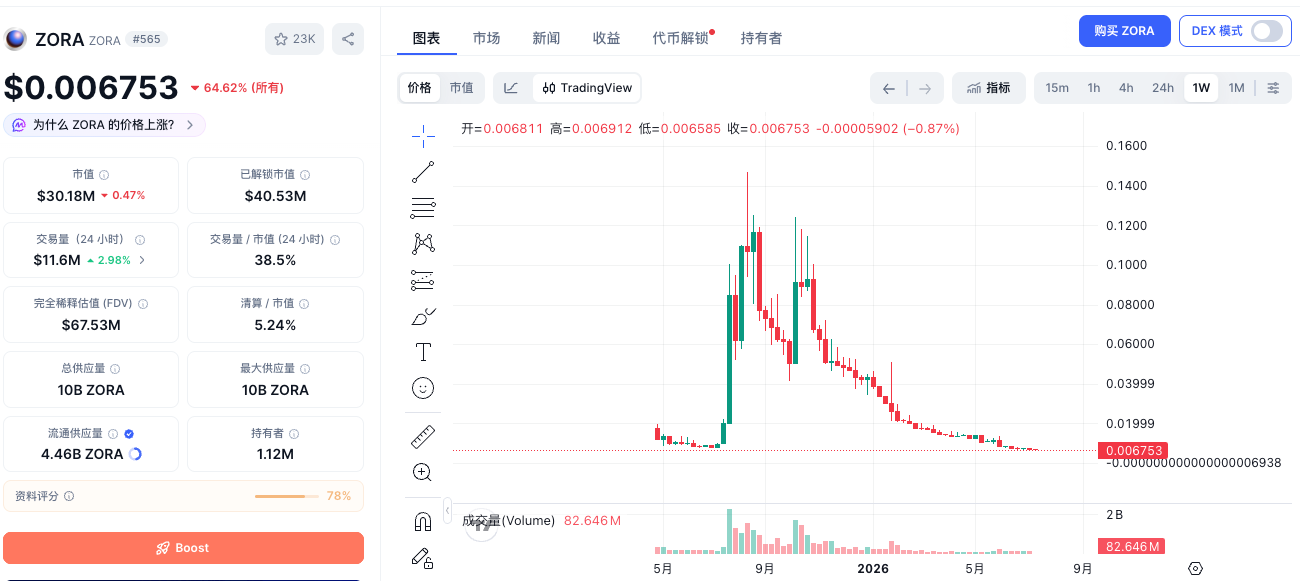
The statement is the clearest admission yet that Base’s creator-token experiment has ended in failure. ZORA, the token tied to the infrastructure behind that push, has fallen about 95% from its all-time high in August last year, while its market capitalization has dropped from about $550 million to around $30 million.
Base once made content coins central to its product plan
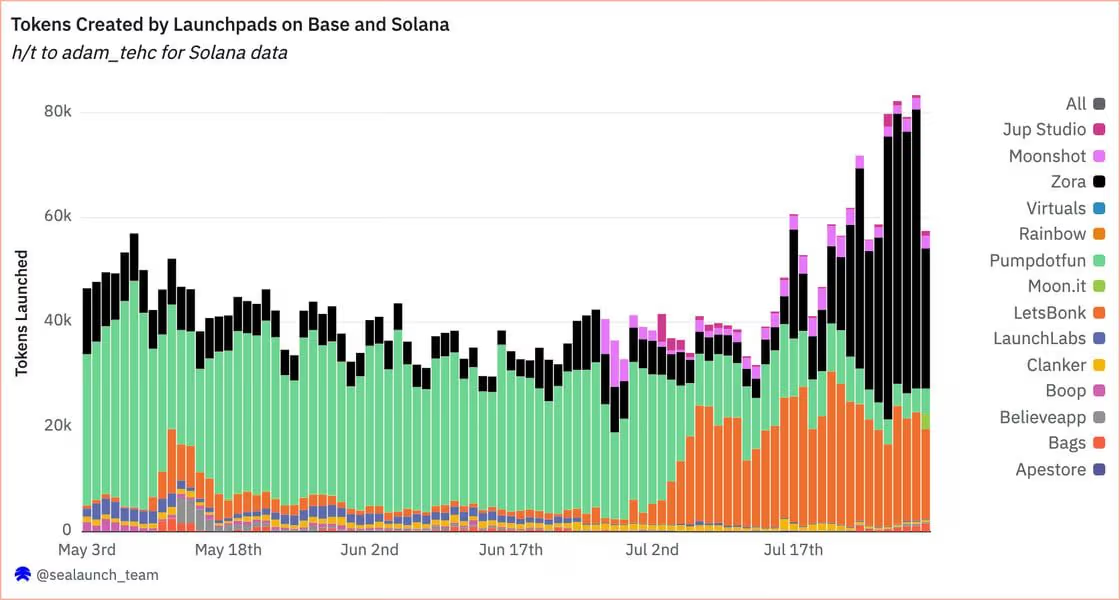
Starting in 2025, Base heavily promoted content coins through Zora and built them into core features of its wallet product. For a time, that helped Base become the largest Layer 2 network by new token issuance.
In July 2025, Coinbase rebranded Coinbase Wallet as Base App and added a social feed, chat, payments, trading and app discovery. When the app was opened to more than 140 countries in December that year, Base was still presenting it as a combined social, trading and payments product.
How the Zora model worked
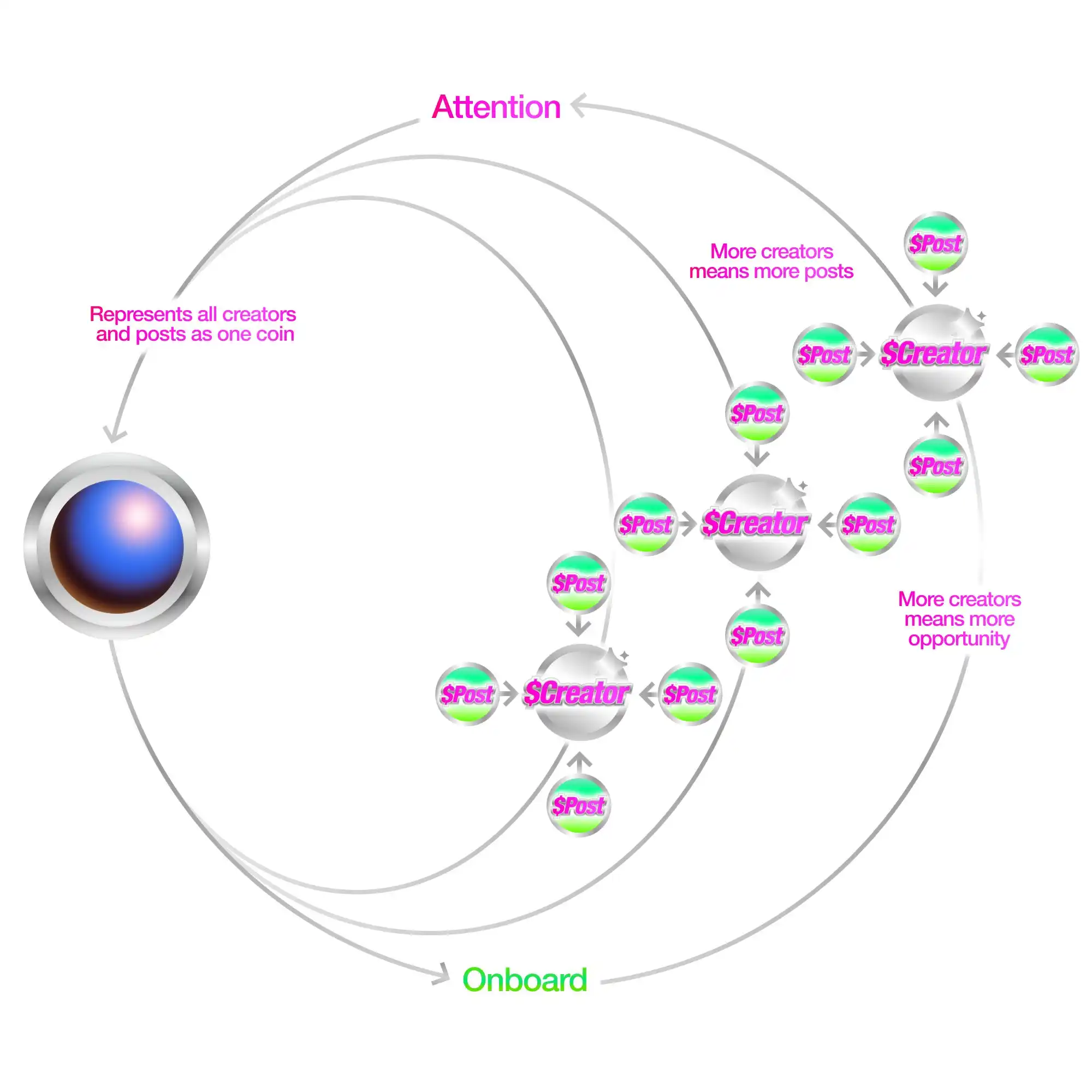
Zora supplied the onchain tooling for Base’s creator economy push. A content coin was tied to an individual post. When a user published an image, video or text post, the system automatically created a freely tradable ERC-20 token linked to that post.
Each content coin had a fixed supply of 1 billion tokens. The creator received 1% at launch, or 10 million tokens. The token started without a price, and onchain pricing only formed after other users began buying it. Later trading then determined market capitalization and holder profit or loss.
Buyers received a token associated with the post and could sell it back into the market at any time. The token did not grant copyright ownership in the post, equity in the creator, or any claim on future revenue or profit sharing. Zora’s terms limited the token’s use to entertainment, use and consumption, and required users to confirm that purchases were not for equity or profit participation.
Zora also ran a creator-coin structure tied to an account rather than a single post. Each Zora account had one creator coin, also with a 1 billion token supply. Half went to the public market, while the other half unlocked linearly to the creator over five years. Content coins published by that account were linked back to the creator coin, in a design meant to turn popular posts into demand for the account-level token. Creators could sell their allocated tokens and also receive a share of trading fees.
Activity surged, but demand did not last
Low-cost token issuance pushed up Base’s headline activity. In August 2025, after Base App relaunched, Zora activity hit a record high. Creator-coin mints topped 1.6 million, unique traders approached 3 million, and total trading volume exceeded $470 million. Over the same month, the Zora token price rose nearly fivefold.
That momentum did not turn into durable demand. In April 2025, Base’s official account posted "Base is for everyone" through Zora, which automatically created a token with the same name. The token jumped briefly after launch, then fell about 95% within hours. Base said at the time that it had not sold the token and had not issued it as an official project, but ordinary users had little way to separate a content post, a token launch and an implied endorsement from the platform.
Creator Nick Shirley later offered another example. His investigative video drew more than 100 million views on social media, and Armstrong had publicly promoted it. The related creator coin at one point reached a $15 million market cap before quickly falling back. Viral reach brought short-term buying, but it did not create lasting demand for the token.
Developer criticism and the retreat from SocialFi
The partnership between Base and Zora also drew complaints from ecosystem developers. Some argued that Base devoted too much visibility and too many resources to Zora and creator coins, without building a durable user moat, while squeezing out exposure for other Base projects.
A community member who questioned Armstrong on July 13 also said many participants suffered losses as the tokens fell.
Armstrong was still defending the model in January this year. Responding to a former Coinbase engineer who argued that content coins had a zero-sum structure, he said buying content coins created economic value and demand for creator coins.
About a month later, Base App said it would end Creator Rewards and remove the Farcaster-supported social feed, shifting the product focus toward tradable assets. In March, Armstrong said on a podcast for the first time that the SocialFi features in Base App were "not working that well."
Base shifts back to trading, payments and AI agents
Base later put trading and stablecoin payments at the center of its 2026 strategy. The company said Base processed more than $17 trillion in stablecoin volume in 2025, spanning 26 local currencies and 17 countries. In the report, those figures were presented as a clearer commercial basis for the move toward financial infrastructure.
In the same X post, Armstrong answered another criticism from @smileyXBT, who said Base was now leaning into AI agents as another hype cycle. Armstrong replied that Base’s roadmap had always been organized around three priorities: trading, payments and AI agents. Most resources, he said, are currently going to trading.
From Base’s official token mint in April 2025 to Armstrong’s "we messed up" admission in July 2026, the experiment lasted 15 months. During that period, Coinbase kept increasing its commitment, integrating Zora into its wallet product, encouraging funds to build creator-token indexes, and giving platform-level exposure to tokens linked to insiders. Coinbase may now treat the episode as a closed product experiment. Losses in holder accounts remain.