


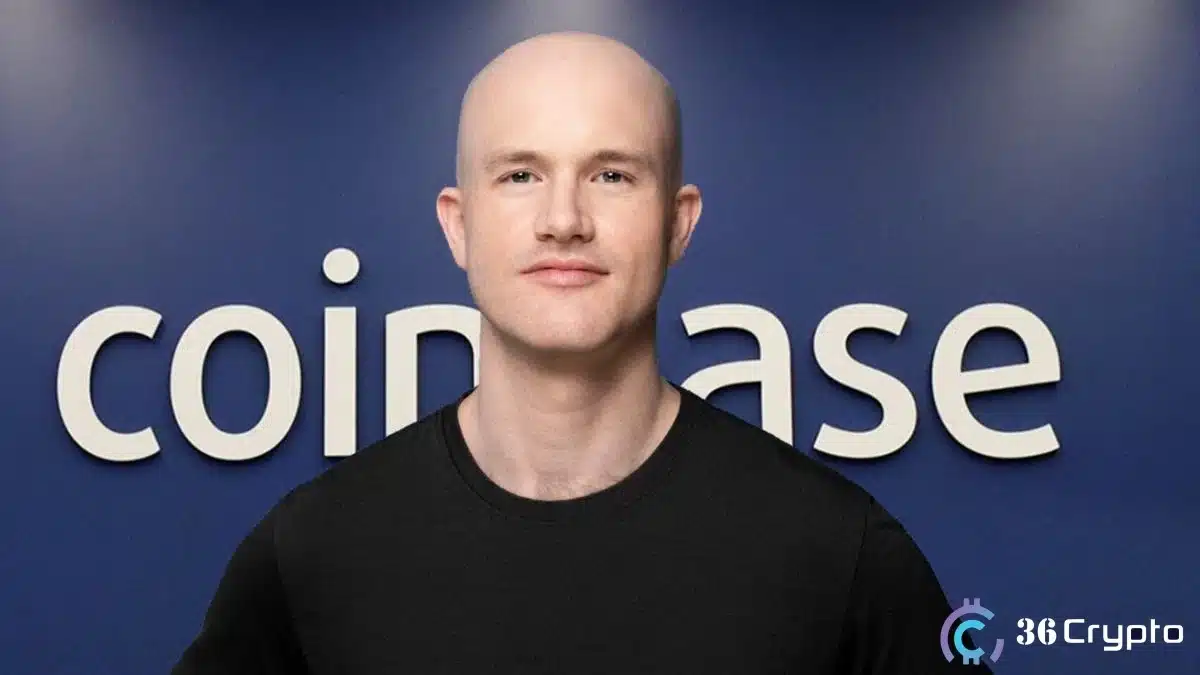
Coinbase CEO Brian Armstrong said eight major parts of the global financial system still need to be rebuilt or upgraded with blockchain technology and digital assets. He pointed to tokenization, stablecoin payments, and AI-based financial services as areas that remain underdeveloped even as crypto adoption expands. In his view, broader integration into world markets will require both stronger infrastructure and better policy design.
Tokenization and around-the-clock trading sit high on the list
Armstrong said tokenization could reshape how assets are owned and traded, naming stocks, bonds, real estate, and investment funds as examples. On-chain settlement could speed up transactions and make fractional ownership easier, opening market access to people who have historically been shut out of asset classes dominated by institutions and wealthier investors.
He also argued that finance still lacks a truly uninterrupted global trading system. Traditional markets close, liquidity fragments across regions, and access remains uneven. Blockchain networks, he said, could support continuous trading activity and improve capital efficiency across borders. That point goes to market structure, not just convenience.
Stablecoin transfers and AI-powered payments are framed as practical upgrades
On payments, Armstrong described stablecoins as a core building block for the next version of finance. Near-instant international transfers, he said, could cut costs for businesses and consumers. For cross-border use cases, settlement speed and transfer expense remain central, which is why stablecoins continue to feature prominently in his argument.
He also referenced rising interest in agentic payments powered by artificial intelligence. The source material did not add product details or timelines, but Armstrong clearly placed AI-enabled payment flows within the same conversation as payment modernization.
AI could change advice, credit, compliance, and fraud checks
Armstrong said artificial intelligence could improve credit systems, compliance operations, and fraud prevention across financial markets. He added that AI advisory tools may widen access to guidance that has largely been available to richer clients. If that happens, financial planning and access to capital could reach a much broader user base.
This part of his argument is less about one app and more about the structure of financial services. Tasks that once depended on expensive human distribution may be reorganized through software.
Regulation, self-custody wallets, and startup capital remain open issues
Armstrong also criticized regulatory systems that apply broad restrictions to blockchain companies without distinguishing between different levels of risk. He called for frameworks that encourage innovation and competition while still protecting consumers. In his account, outdated rules are still slowing technical progress across digital asset markets.
He tied open blockchain protocols and self-custodial wallets to wider financial access, saying less dependence on intermediaries could let users engage more directly with modern financial tools. He added that anyone with a smartphone could eventually take part more easily. Armstrong also connected blockchain infrastructure to startup funding and capital formation, saying lower fundraising costs could help entrepreneurs launch businesses more efficiently across regions. He further described sound money as an important safeguard during periods of inflation and weakening fiat discipline.
His remarks suggest the direction is clear, but the buildout is incomplete. The technology stack still needs work, and policy has not caught up.