
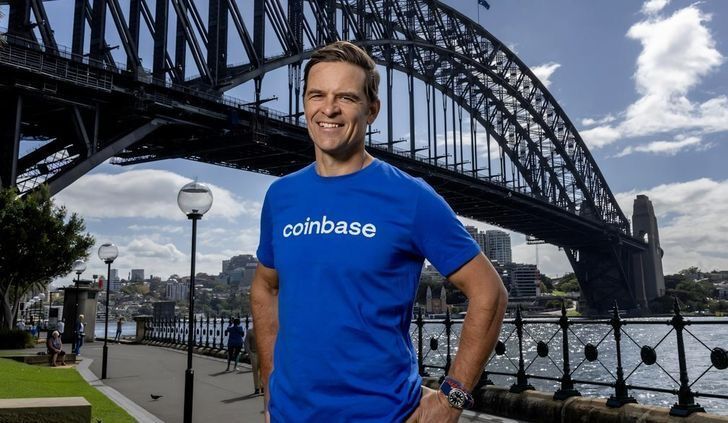
Nasdaq-listed Coinbase made a major market push on Monday: direct rails for Indian rupees (INR). Starting June 1, 2026, Indian customers can deposit and withdraw rupees directly from their bank accounts via the Immediate Payment Service (IMPS), cutting out middlemen.
India's P2P headache and Coinbase’s fix
For years, Indian crypto users relied on peer-to-peer (P2P) markets or third-party intermediaries to fund accounts. The process was slow and risky — users often faced payment scams or sudden bank account freezes by law enforcement over suspicious fund trails. Coinbase integrates directly with IMPS, meaning funds move straight from local bank accounts to the exchange and back.
“India has long been one of the most important markets in crypto, in terms of developer talent, trading activity, and the broader adoption of blockchain technology,” said John O'Loghlen, Coinbase’s Head of APAC. Chainalysis data ranks India among top Asia-Pacific countries for crypto adoption in 2025, and first globally. Consulting firm Imarc estimates India's crypto market hit $3.04 billion in 2025 and could grow to $14.21 billion by 2034, a CAGR of 18.66% from 2026 to 2034.
Beyond spot: perpetual futures and pro tools
Coinbase isn't just catering to beginners. The platform is also introducing perpetual futures contracts. For professional users, the “Coinbase Advanced” suite offers TradingView integration and sophisticated APIs, plus local INR order books — ensuring traders aren't pricing against global markets but have dedicated liquidity at home. The goal, per Coinbase, is to deliver the same platform trusted by global institutions to India's massive retail base.
The regulatory elephant
Regulation has always loomed over crypto in India. In 2022, Coinbase opened to Indians but hit a roadblock within days when the UPI operator, National Payments Corporation of India (NPCI), denied knowledge of any UPI arrangement with a crypto exchange. This time, Coinbase opted for IMPS, not UPI. Whether it can sidestep regulatory hurdles remains to be seen.
(Source: CryptoComLearn)