
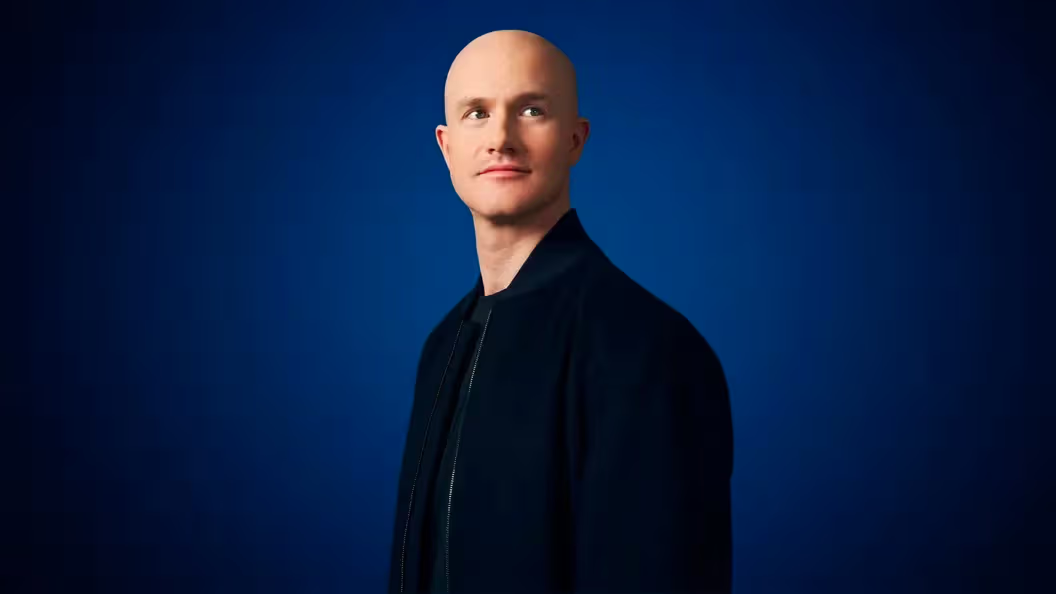
Longevity biotechnology startup NewLimit announced a $435 million Series C funding round in the early hours of June 3 (Beijing time), led by Peter Thiel's Founders Fund. Existing investors including Abstract Ventures, Kleiner Perkins, NFDG, Eli Lilly Ventures, and Valor Equity Partners also participated, alongside new backers Thrive Capital, Greenoaks, and Quiet Capital. The Wall Street Journal reported that the round valued NewLimit at $3.1 billion, more than tripling its valuation from a year ago.
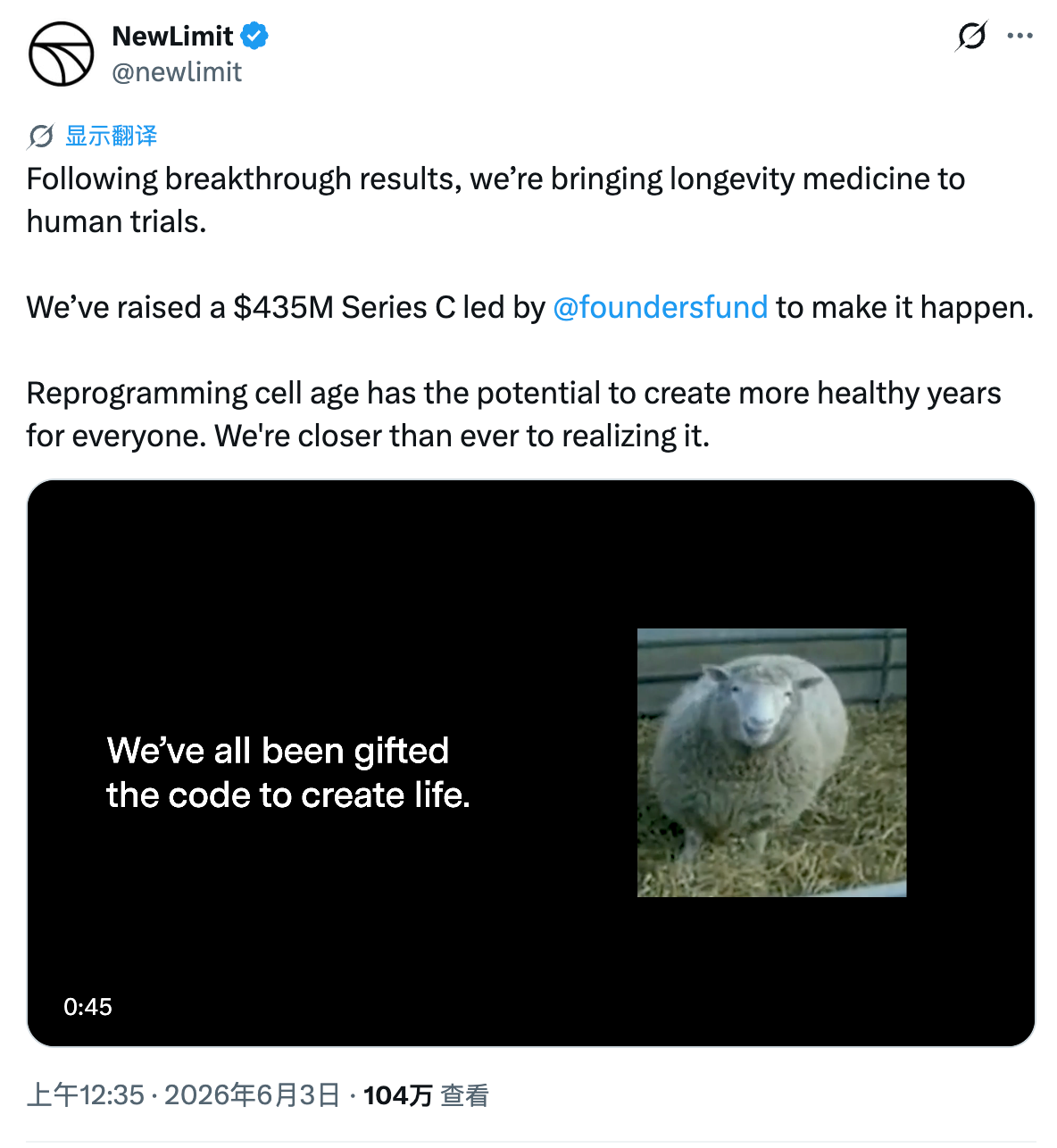
In its funding announcement, NewLimit revealed that following breakthrough research results, it is advancing longevity medicine into human clinical trials. The first drug, targeting alcohol-related liver disease, is expected to begin clinical trials next year. The company emphasized: "By reprogramming cell age, humans are on the verge of gaining longer healthspans. We are now closer than ever to the goal of delaying or even reversing aging."
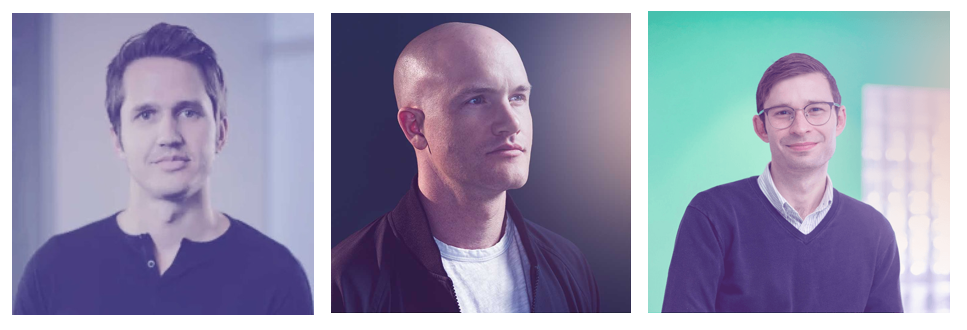
NewLimit was co-founded in 2021 by Brian Armstrong—the CEO of Coinbase—alongside former GV partner and bioengineer Blake Byers and stem cell biologist Jacob Kimmel. The trio invested $110 million to launch the company in South San Francisco. Prior to this round, NewLimit had completed three earlier funding rounds, with the Series C pushing its valuation to a new high.

From Coinbase to Longevity Science
Brian Armstrong's leap into longevity biotech is anything but accidental. NewLimit's official mission is to develop drugs that extend human healthspan. As the company explains, cellular function declines with age, making people more susceptible to disease. While aging was once considered inevitable, emerging science demonstrates that it can be reversed at the cellular level. NewLimit is building on these discoveries to create the first therapies that restore youthful cell function. In essence, NewLimit is applying scientific rigor to the age-old quest for immortality.

The scientific foundation traces back to 2006, when Japanese scientist Shinya Yamanaka discovered that activating just a few specific transcription factors could reprogram adult cells into an embryonic-like youthful state. These factors, later named Yamanaka Factors, earned Yamanaka the 2012 Nobel Prize in Physiology or Medicine. This breakthrough proved for the first time that cellular age is not irreversible—a concept upon which NewLimit's entire research narrative is built.
Accelerated Aging as a First Target
On its website, NewLimit states that its drugs work by activating specific transcription factor genes to reprogram the cell's epigenome to a younger state. While this reversal is known to be possible, the exact combination of transcription factors needed for different cell types remains unknown. Discovering these effective gene payloads is the central challenge of the company's work.

NewLimit's strategy is to first tackle a specific disease, secure regulatory approval, and then expand into broader applications. The initial drug moving toward clinical trials targets alcohol-related liver disease. Co-founder and CEO Jacob Kimmel explains that liver disease acts as a form of "accelerated aging," presenting the same aging process everyone undergoes but in a faster, more intense manner.

The Billionaires' Longevity Race
NewLimit is far from the only company chasing the longevity dream. In 2022, Sam Altman invested $180 million in Retro Biosciences, which is developing drugs to rejuvenate aging cells and recently disclosed a valuation of $1.8 billion. Meanwhile, Altos Labs, reportedly backed by Jeff Bezos, launched in 2022 with $3 billion in funding and has since almost doubled that total.

From Peter Thiel to Sam Altman and Jeff Bezos, the investors most drawn to this sector are invariably the ultra-wealthy at the pinnacle of technology and capital. Thiel has openly expressed a profound disdain for death, arguing, "Death is humanity's greatest enemy, yet we treat it as a natural law." For these tech titans, time is the only adversary once wealth and power have been mastered—the ultimate luxury that money alone cannot buy.