
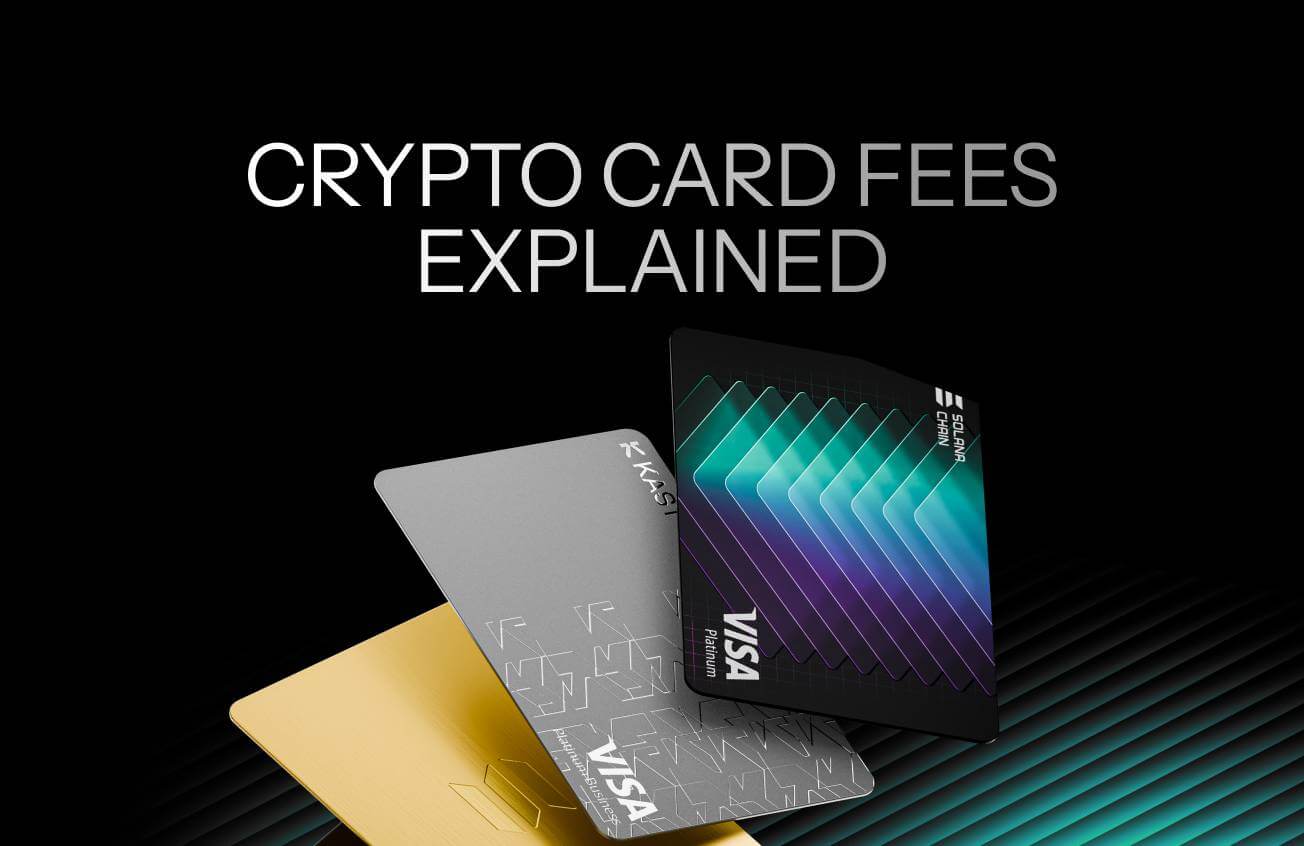
Crypto cards feel just like a regular Visa or Mastercard: tap, pay, done. But behind that smooth experience, several fees are quietly doing the work. Miss them, and you might spend far more than expected.
Blockchain Transfer Fees: The Cost Starts Before Spending
Before you use the card, you need to move crypto into the linked wallet. That transaction incurs a network fee determined by the blockchain, not the card issuer. On busy chains like Ethereum, costs can spike; on low-fee chains like Solana or Polygon, they stay minimal. Frequent small top-ups multiply these costs. Fewer, larger transfers on cheaper networks cut overhead immediately.
Conversion Spread: The Hidden Markup on Every Payment
When you pay, your crypto is instantly swapped for local currency. This conversion usually includes a spread — the difference between the market rate and the rate you actually get. Often baked into the exchange rate rather than shown as a separate line item, it's easy to overlook. But regular use (subscriptions, transport, daily shopping) turns that small gap into a real expense.
Foreign Exchange Fees: Double Bites on Cross-Currency Payments
Paying in a foreign currency triggers FX fees. Some providers route transactions through multiple conversions — crypto to USD to local currency — adding cost at each step. KAST, for example, applies a zero FX fee policy and converts directly to the purchase currency, making pricing more predictable.
Dynamic Currency Conversion: The Biggest Trap Abroad
At an international terminal, you'll be asked: ���Would you like to pay in USD?” This is Dynamic Currency Conversion (DCC). Choosing your home currency lets the merchant's processor set the rate, often inflated by 3%–5%. The smarter move: always pick the local currency and let your card provider handle the conversion — you'll almost always get a better rate.
ATM Fees and Account Maintenance Costs
Using a crypto card at an ATM adds operator fees plus the card issuer's withdrawal fee. Cash should be a last resort; paying directly avoids those extra charges. Some providers also charge for inactivity, card replacement, shipping, or premium tiers. These are easy to ignore at signup but add up over time.
Quick Tips to Cut Costs
- Top up with stablecoins to avoid volatility affecting your spending power;
- Reload in larger amounts to minimize blockchain fee frequency;
- Prefer low-fee networks (Solana, Polygon);
- Always choose local currency abroad and reject DCC.
Cards like KAST simplify cost tracking: stablecoin-based spending, fees shown before confirmation, real-time balance updates, and 1% cashback on eligible purchases helps offset small fees. The goal isn't to avoid every fee — it's to understand them. Once you do, you can make smarter decisions about where and how to spend.